
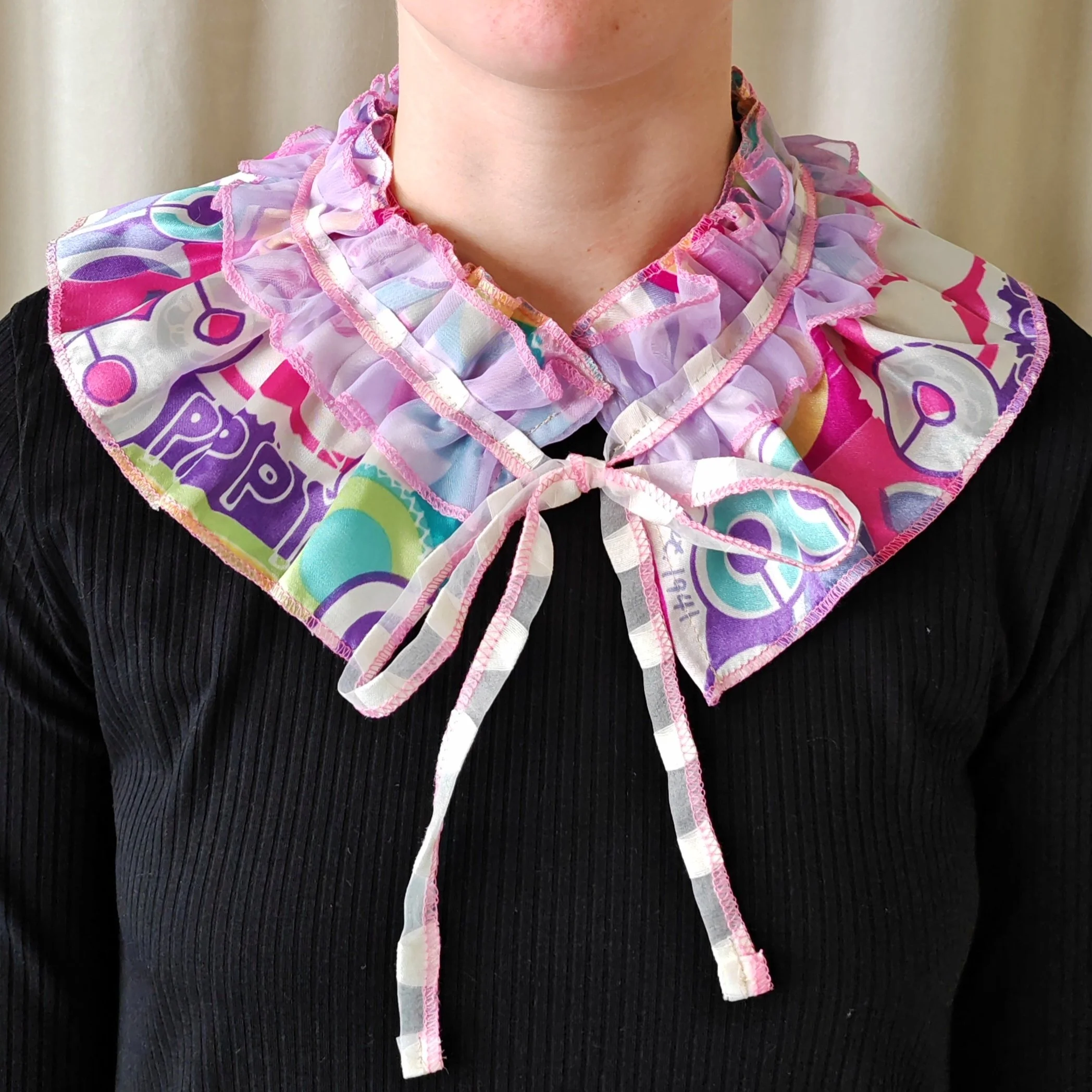
In Europe, where tradition meets innovation, textile artists are uniquely positioned to spearhead a sustainable fashion revolution.
The fusion of textile art and eco-fashion not only offers a powerful platform for creative expression but also addresses the urgent need for environmental responsibility. This article serves as a practical guide for European artists seeking to integrate sustainable practices into their textile work.
From sourcing eco-friendly materials to mastering upcycling techniques, we'll explore actionable strategies that empower you to create beautiful, ethical, and impactful designs, contributing to a greener future for European fashion.
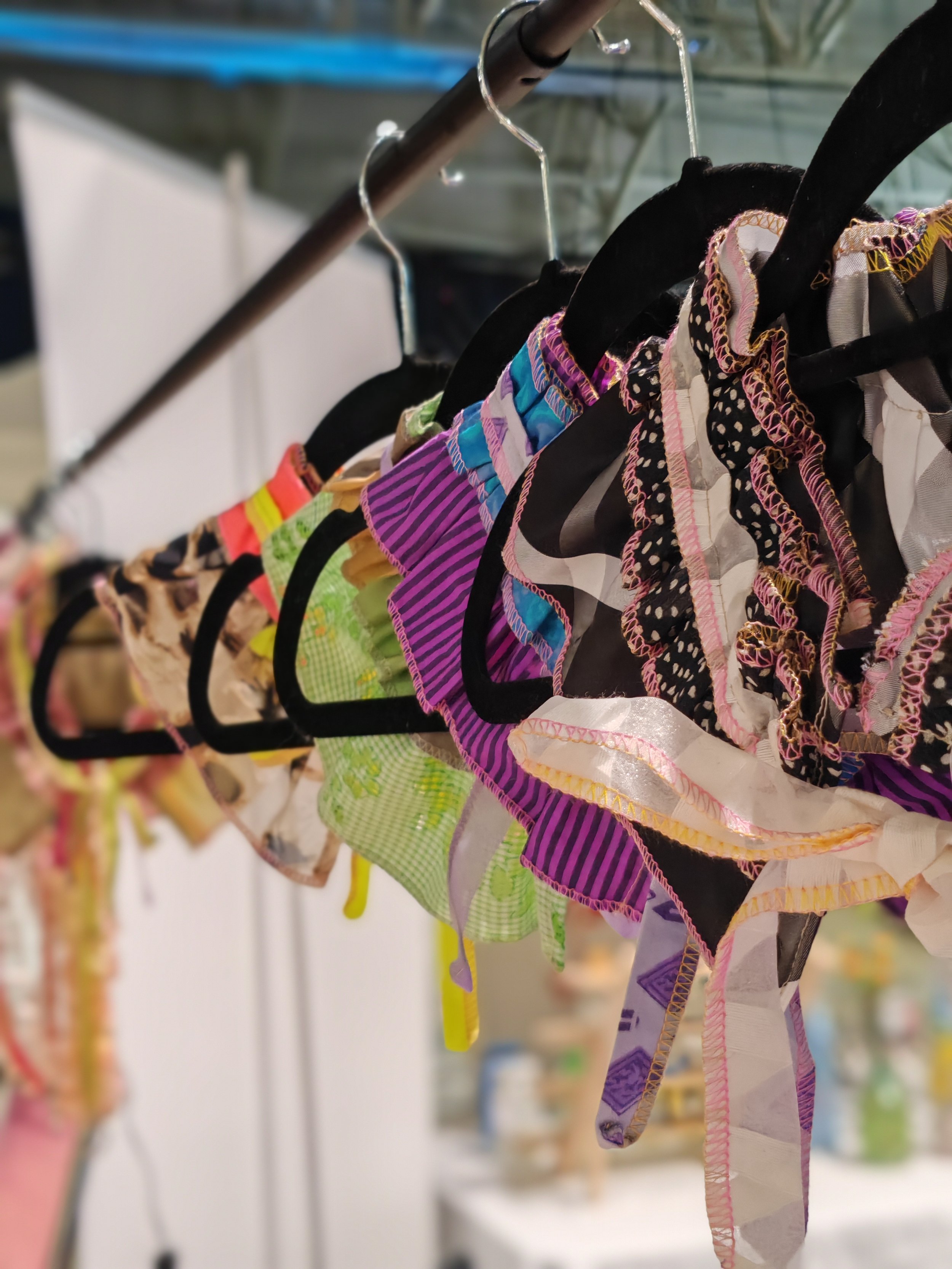
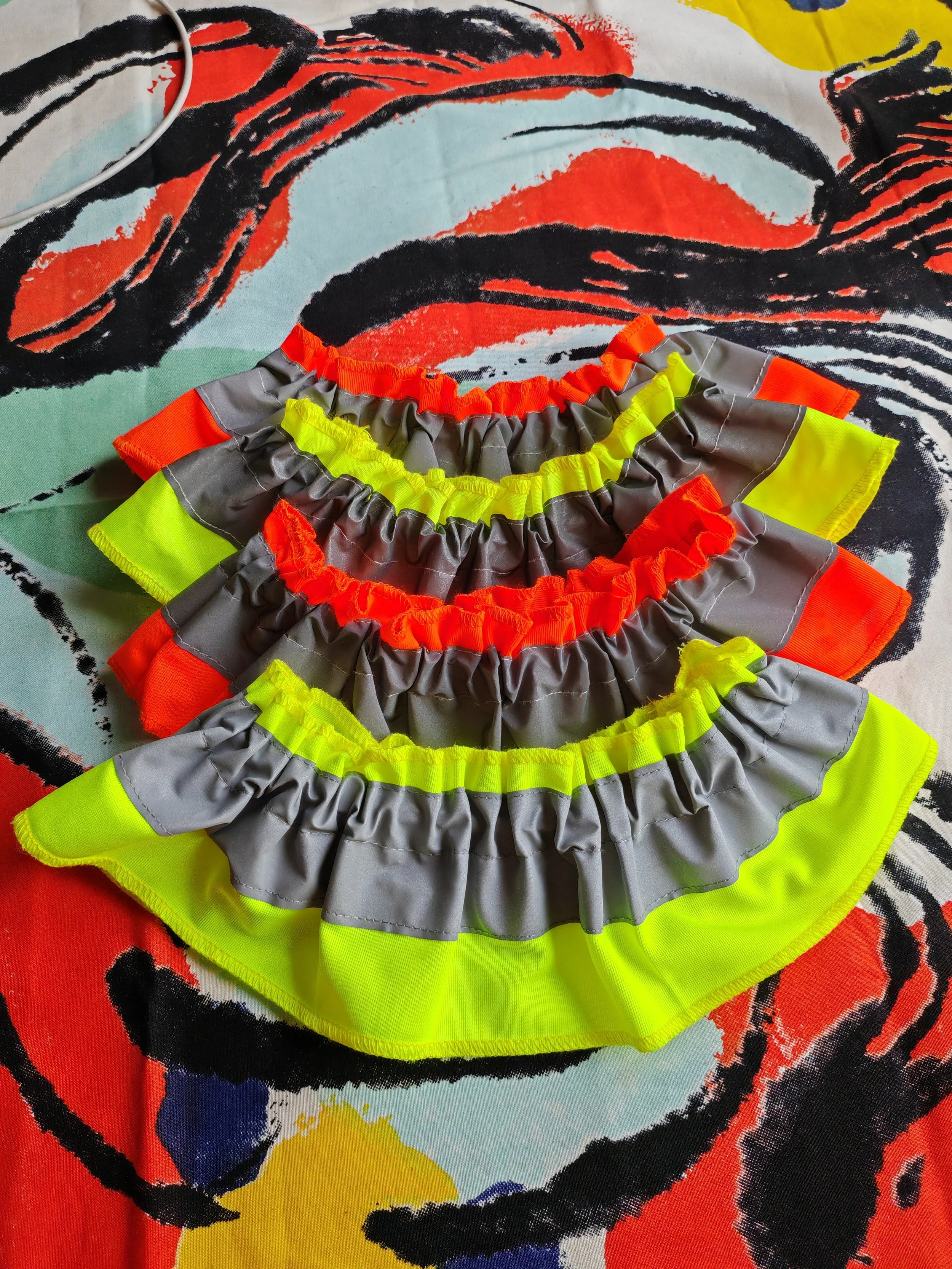
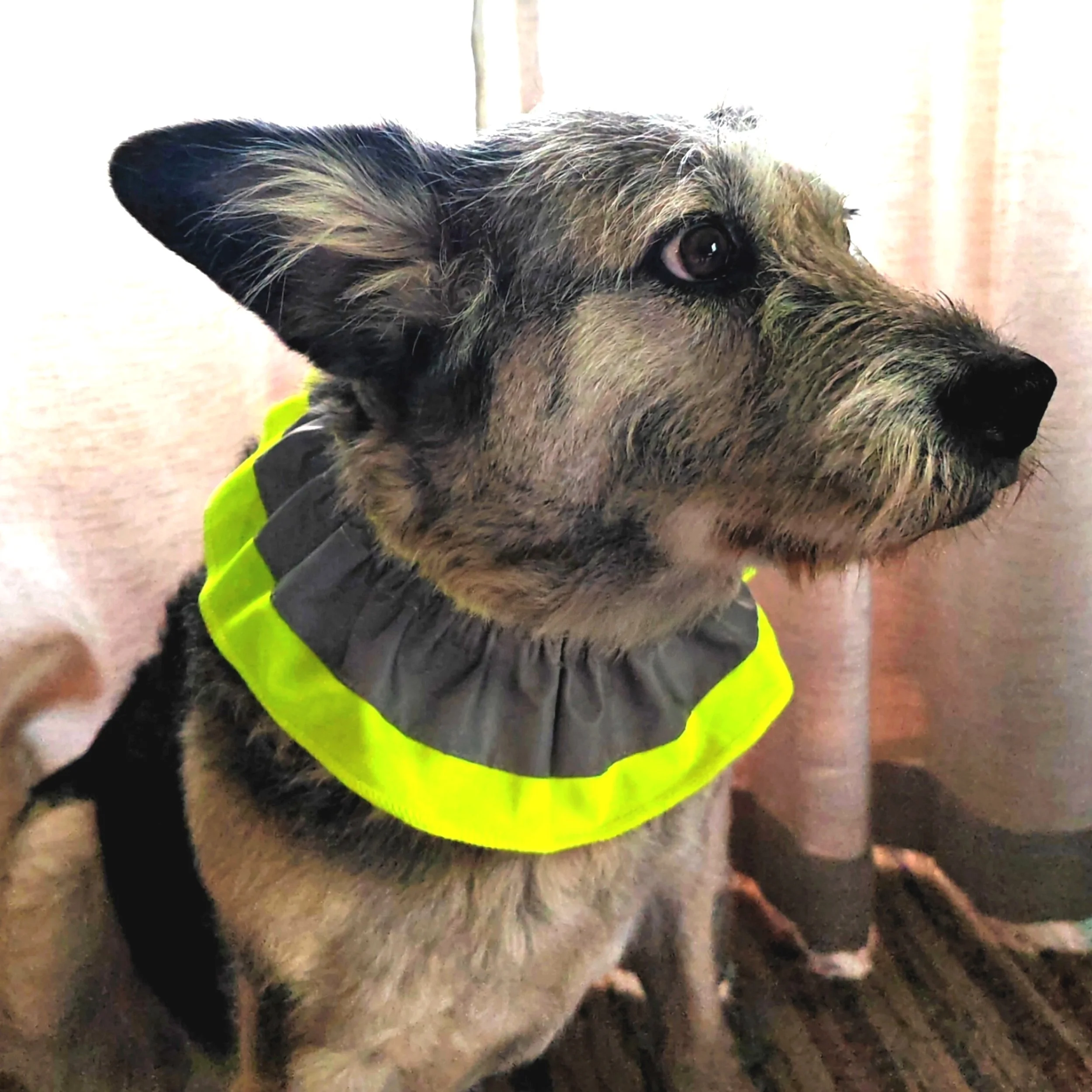
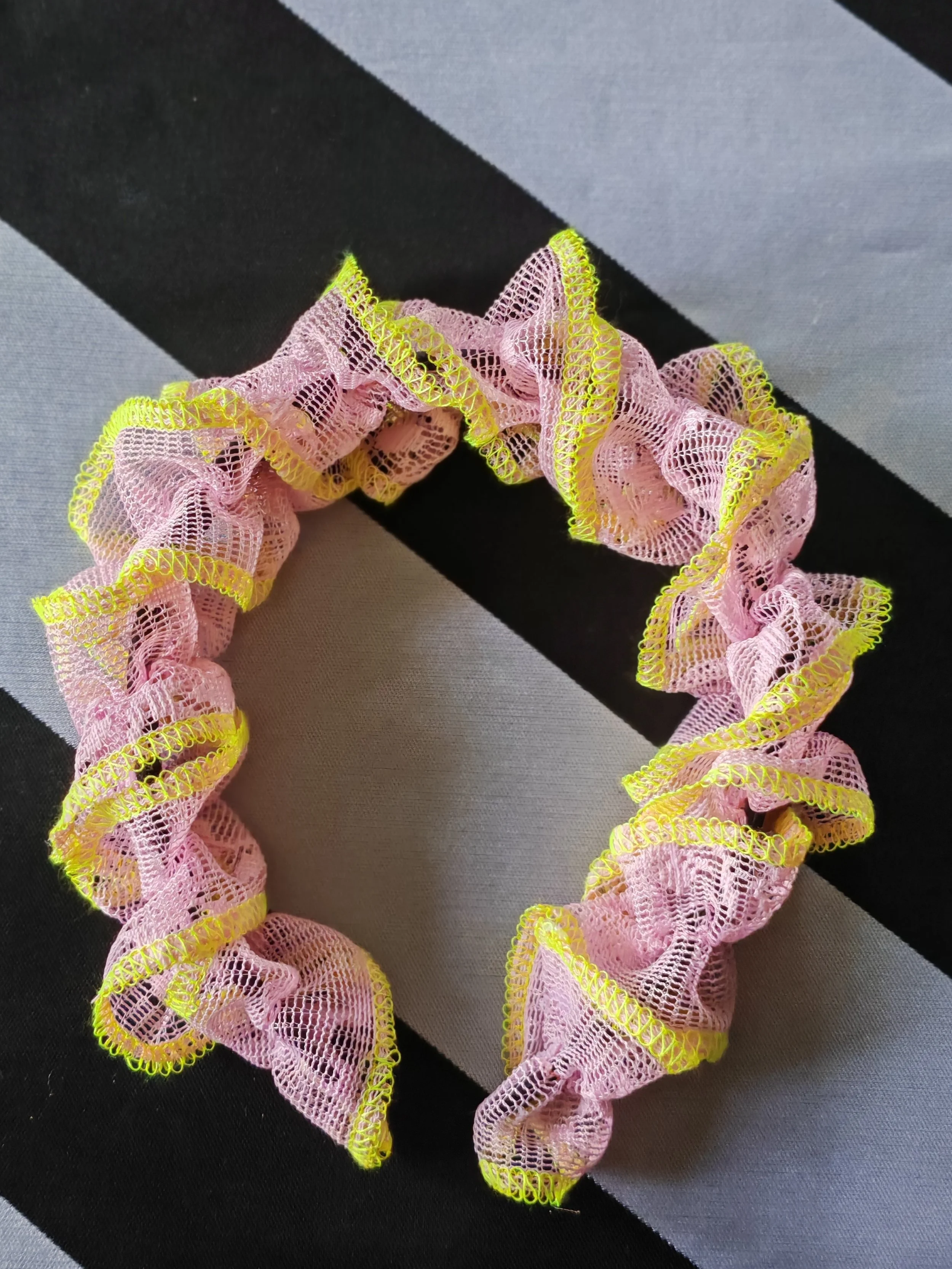
Artist spotlight: Etti Torpakka (website)"I use Waste textiles and upcycled reflector vests for my creations.My company sells also other small Finnish ecological brands, uses waste textiles collected by ViaDia ry, and works with and donates small part of sales to Pet Rescue Finland ry.Sustainability an uniqueness are most important reasons to buy for my audience."Sourcing Sustainable Materials
Linen & Hemp
Did you know Europe's got a super long history with linen and hemp? These fibers are awesome because they're naturally sustainable – they don't need tons of water or nasty pesticides. Plus, if you find sources grown right here in Europe, you're helping cut down on those transport emissions.
Quick Tip: Check out local farms or groups in places like France, Belgium, and the Netherlands. They're the pros when it comes to these fibers!
Soy Fabric: "Veggie Cashmere"
Soy fabric is made from the leftover hulls of soybeans – basically, food waste turned into something amazing! It's super soft, easy to care for, and soaks up dyes really well, so you don't need as much. It's great for the planet because it's made from a renewable resource and breaks down way faster than those oil-based fabrics. You can toss it in your compost when it's worn out!
Bamboo Viscose: Super Sustainable Bamboo
This fabric comes from bamboo pulp (not the panda kind). Bamboo grows like crazy without needing pesticides, and it's considered one of the most sustainable plants out there. Bamboo rayon is made by dissolving the pulp and spinning it into fibers. Clothes made from it tend to last longer and keep their shape better than regular bamboo fiber clothes.
Lyocell
Lyocell is made from wood pulp from sustainable forests, using a fancy "closed-loop" process that recycles or breaks down all the solvents. That means it's 100% biodegradable. But the best part? It's super comfy and versatile. You'll love working with it.
Organic Cotton
Organic cotton is grown the natural way, without all those harsh chemicals. This helps keep the soil healthy and reduces pollution. It's a classic choice for eco-friendly projects, and you can feel good knowing you're supporting sustainable agriculture.
Sourcing materials online
I found some amazing yarn companies doing great things! Vegan Yarn is passionate about being kind to animals and people, helping the environment, and making the yarn world better. They've got tons of plant-based choices, like soft soysilk, cool bamboo, and even yarn made from bananas!
Rawanique sells really neat twine, rope, and yarn made from organic cotton, linen, and hemp. Everything's grown and processed naturally in the U.S. and Europe.
And a UK company, Yarn, that works with women's groups in India. They make plant-based, eco-friendly, and recycled yarns.
Why Animal-Based Textiles are not Sustainable?
The Higg Materials Sustainability Index reveals that cow leather carries a significantly higher environmental burden than both synthetic and plant-based alternatives. Compared to plant-based leathers like Piñatex, cow leather has nearly ten times the negative impact in terms of global warming, water pollution, water depletion, and greenhouse gas emissions. It's also nearly six times more impactful than polyurethane, a common synthetic vegan leather.
The process of transforming animal skin into leather is inherently resource-intensive and chemically demanding. It involves halting natural decomposition through chemical baths and dehydration, using substances like formaldehyde, coal-tar derivatives, and even cyanide-based dyes and finishes. These processes not only contribute to environmental damage but also raise ethical questions about the materials we choose to work with.
How Animals Used for Clothing Are Killed
As textile artists, we have the power to choose materials that align with our values. It's crucial to acknowledge the reality behind the fibers we use. The vast majority of animals raised for their skin, wool, feathers, or fur endure the harsh conditions of factory farming. They live in confined, unsanitary spaces, deprived of their natural freedoms. These sensitive beings often suffer physical abuse at the hands of workers.
Every year, over a billion animals—cows, pigs, sheep, goats, and many others—are cruelly slaughtered for their skins. Their deaths are often violent and inhumane, involving methods like bludgeoning, electrocution, or gassing. Some are even skinned alive. Trapped animals used for fur can endure prolonged suffering from injuries, exposure, and predation before being killed.
Furthermore, the fur and leather industries are often shrouded in deception. Mislabeling is common, and in regions with lax regulations, even companion animals like dogs and cats may be killed for their skins. This means that when you work with these materials, you can never truly know the origin or the suffering involved.
As artists, we have a responsibility to consider the ethical implications of our material choices. Creating cruelty-free textiles allows us to craft beautiful, meaningful work without contributing to animal suffering. Choosing sustainable, plant-based, or recycled materials can be a powerful statement of compassion and a step towards a more ethical and sustainable art practice.
Wool and silk
Wool production, due to its breeding impact, has a significantly higher environmental footprint than polyester or natural vegan fibres. Specifically, some studies indicate it can be roughly a hundred times greater. The cashmere industry presents an even more striking example. A single cashmere goat yields only about 250 grams of cashmere annually. This limited yield, combined with the environmental costs of raising the goats, results in a substantial impact.
Producing one cashmere sweater can have the same environmental cost as driving a car for 1,500 kilometers, taking 700 showers, or charging your smartphone for 5,000 days. These comparisons highlight the significant resources required for cashmere production and underscore the importance of considering the full lifecycle impact of our clothing choices.
Silk has a different story: to get that silk, silkworms are boiled alive inside their cocoons. It's tough to think about. Silkworms might look different from us, but they feel things too. They have nervous systems, just like we do.
Honestly, knowing that makes me really uncomfortable. And the good news is, we don't have to use silk made that way. There are so many humane alternatives! Things like nylon, fibers from milkweed pods, even polyester or rayon.
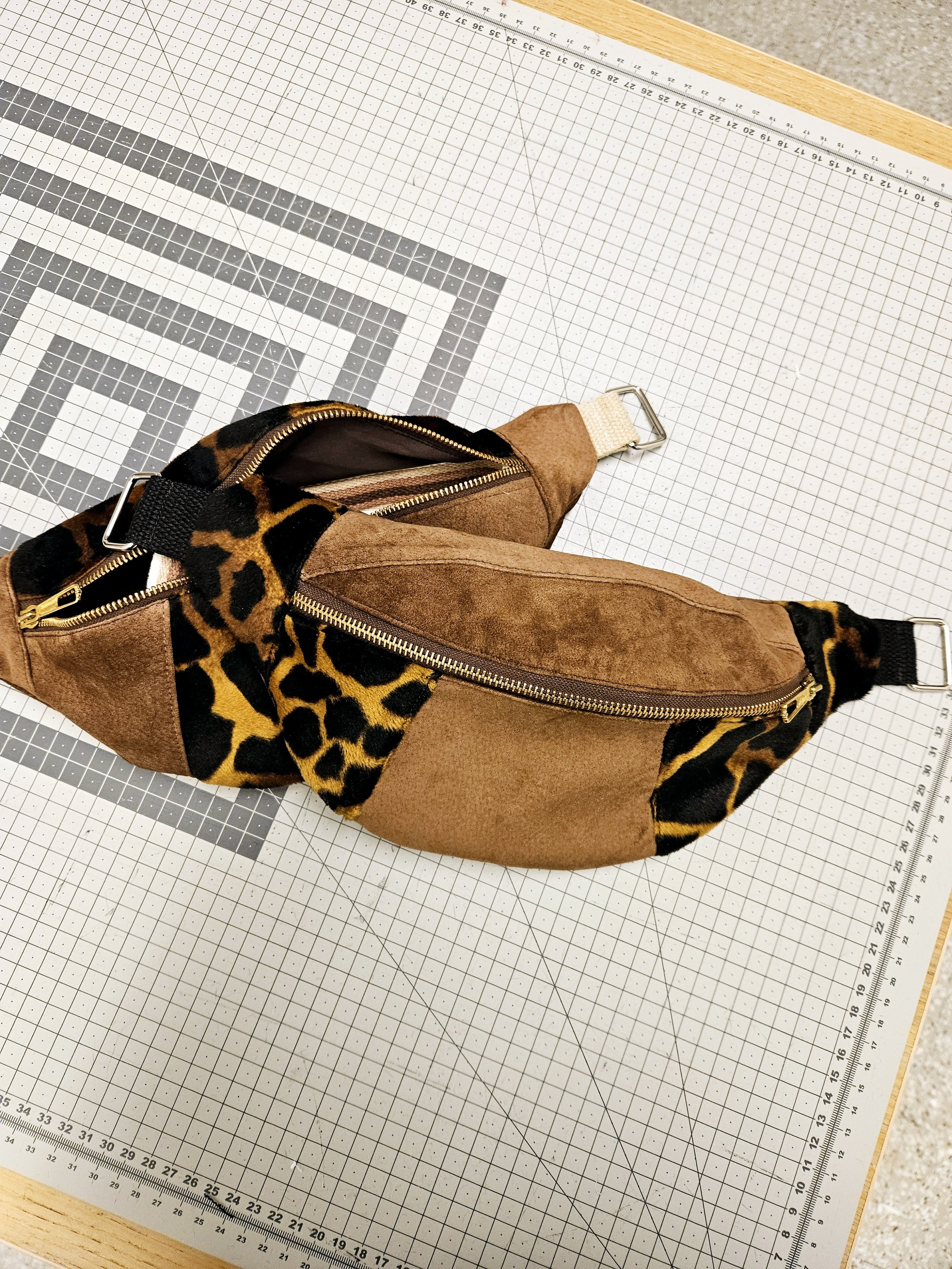
ARTIST SPOTLIGHT: Roberta Golzio (website) “All my products are made out of old clothes (coats, skirts, jackets, etc). Straps of my bags are made from old belts, seatbelts, and only when there's no availability at all, I get new straps, but the core of my bags is still only make out of repurposed fabrics. I make extensive use of zippers in my products, and those are either sourced from the recycling center or saved from the old clothes I'm disassembling.At times you may see they are not into it, as some are worried they fabric is not washed, or similar. Others are visibly more into big known brands, and showing it off, rather that having one of a kind product from an unknown brand. There's also the misconception that stuff made from recycled materials should be less expensive, while the production process is way more time consuming that just buying 50 meters of the same fabric."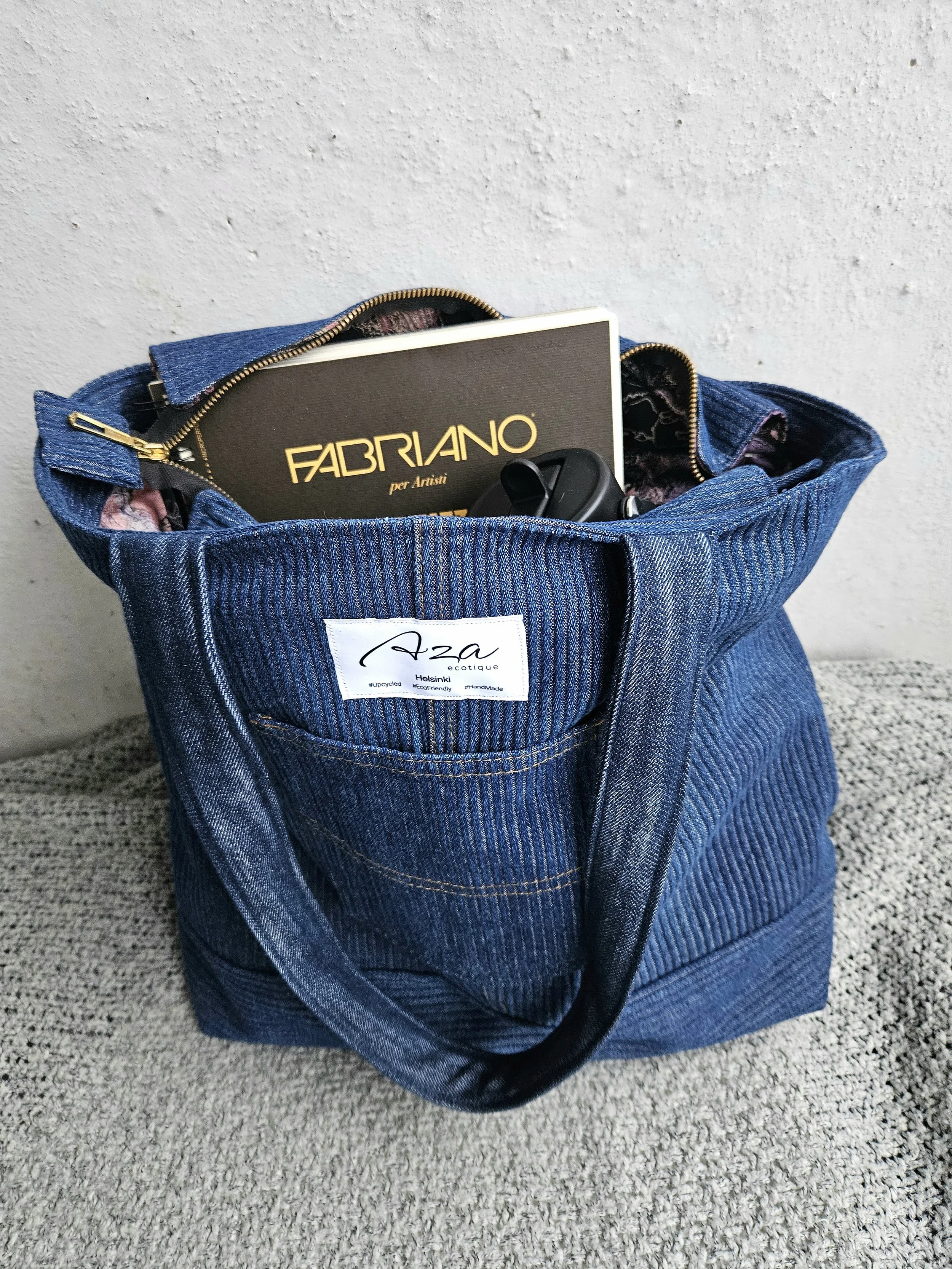
Recycled & Upcycled Textiles
Using recycled and upcycled textiles dramatically reduces waste, diverting materials from landfills. It conserves resources, minimizing the need for new fiber production. Artists gain access to unique, pre-existing textures and patterns, fostering creative exploration. This practice lowers the carbon footprint of textile art, promoting a circular economy.
Explore Secondhand Shops, Textile Recycling Centers, and Industrial Textile Waste Streams for Materials.
Tip: Partner with Local Businesses Or Charities That Collect Fabric Scraps. In places like Germany and the Netherlands, there are dedicated textile recycling facilities.
Natural Dyes: Utilize Plant-Based Dyes Derived from European Flora Like Madder, Woad, and Weld.
Identify Local Plants Suitable for Natural Dyeing.
Experiment with Traditional European Dyeing Techniques.
Ensure Responsible Sourcing of Dye Materials.
Communicate with your buyers and audience
Tell the Story:
Clearly explain where the materials came from. (e.g., "These fabrics were rescued from vintage clothing," or "This piece is made from industrial textile scraps.")
Share the journey of the materials, highlighting the transformation process.
Use storytelling in product descriptions, social media posts, and artist statements.
Highlight the Environmental Impact
Showcase the Unique Qualities:
Emphasize the one-of-a-kind nature of upcycled pieces.
Highlight the textures, patterns, and history embedded in the materials.
Use high-quality photos and videos to showcase the unique aesthetic.
Be Transparent and Authentic
Engage and Educate:
Offer behind-the-scenes glimpses of your upcycling process.
Create educational content about textile waste and sustainable practices.
Encourage customer feedback and questions.
If applicable, highlight any certifications or partnerships with recycling organizations.
Show that you are working with other like minded people.
Artist spotlight: Lesley Draws (instagram)."I did a soviet military uniform embroidery project when I found a few pieces of discarded uniform jackets and designed peaceful nature-themed embroideries for them as an. anti-war protest.
My most recent project aims to rescue second hand book classics that got discarded and should go into recycling. I restore the books by designing a new cover where needed and doing fore edge paintings to give the books new appeal and fix any damage they have. "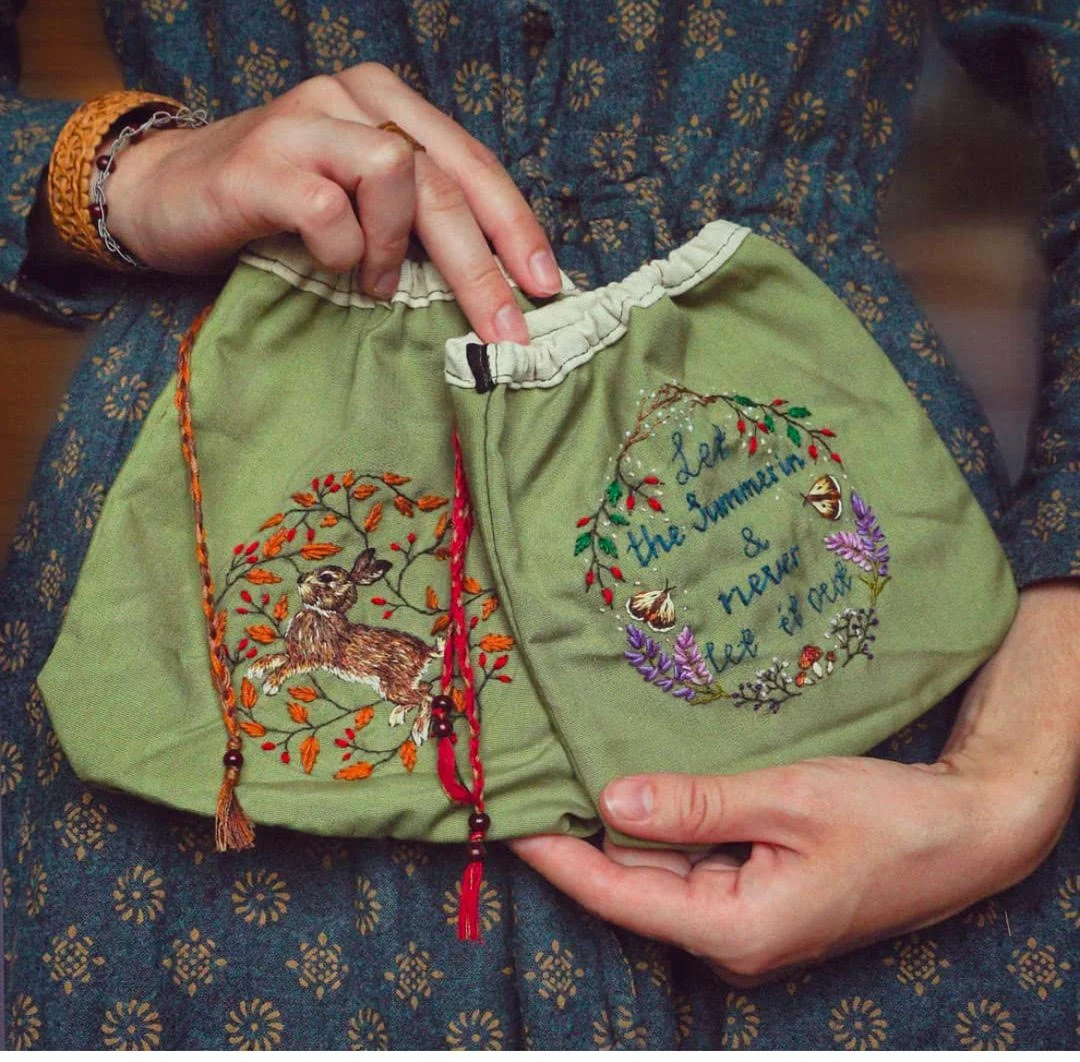
Textile artists have a vital role to play in shaping a sustainable fashion future. By embracing eco-friendly materials and techniques, you can create art that not only captivates but also contributes to a healthier planet.
Remember, your creative choices have the power to inspire change and shift consumer habits. By prioritizing sustainability, transparency, and ethical practices, you can build a thriving career that aligns with your values.
Let your art be a testament to the beauty and responsibility of eco-fashion, weaving a brighter, more sustainable future for Europe and beyond.

Author: Veronika Kvitko, known as Vegesent, is a multidisciplinary artist whose work explores environmental responsibility and animal visibility through conceptual approach.
She serves as the head of sustainable development and art education in Helsinki International Artists Association.

RELATED ARTICLES
RELATED ARTICLES

faq: SUSTAINABLE packaging for artists (hiaa)
If each of the approximately 5,000 professional artists in Finland switched to sustainable packaging, we could potentially prevent tons of plastic waste from entering our environment each year.

supporting green art suppliers (HIAA)
Artist, explore new, greener materials and support the businesses that align with our values. Every sustainable choice we make in our art practice ripples outward, inspiring others and contributing to a more environmentally conscious art world.

upcycling in arts (HIAA)
Upcycling allows us to create thought-provoking art while contributing to Helsinki's circular economy goals.
Let's challenge ourselves to see the artistic potential in the discarded and forgotten. By transforming waste into art, we not only create unique pieces but also spark important conversations about consumption and waste in our society.
