
Sustainability tips for photography and digital artists

The creative world is often overlooked when it comes to environmental impact, but photography and digital art can leave a significant footprint.
From high-energy equipment and constant file storage to packaging and printing, the tools of the trade consume resources in ways many don’t notice.
The good news is, small, mindful adjustments can make a real difference without sacrificing quality or creativity. In this article, we’ll cover simple, effective sustainability tips for photographers and digital artists — from choosing eco-friendly materials to optimizing digital workflows — helping you lessen your environmental impact while continuing to produce work you’re proud of.


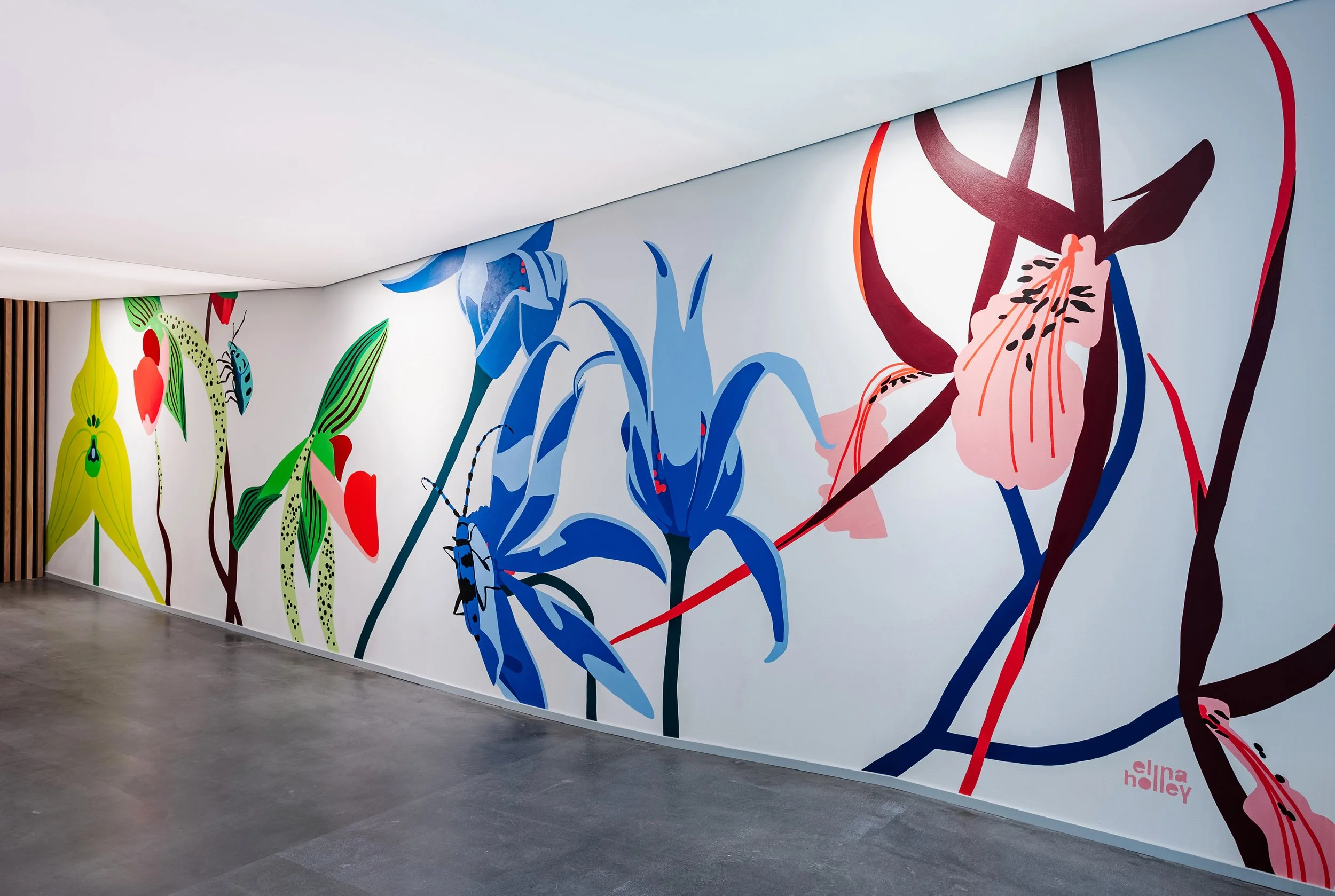
Artist spotlight: Elina holley (website). Featuring: Skull digital art, giclee print and other projects.I follow a range of cross-disciplinary organizations, brands, and individuals that focus on circular economy and sustainability. We need more advocacy and data. Also, I continuously seek new research on how public art and the aesthetics of joy impact social cohesion globally. I want to find ways to create more public art for underdeserved areas and communities by securing funding and fostering cross-disciplinary collaborations. Dr. Jane Goodall is a major inspiration, showing how passion for conservation and grassroots action can create global change. Her approach reminds me that art, like science, can plant seeds of hope and inspire real, positive transformation.10 sustainability strategies for photographers and digital artists:
1. Use Energy-Efficient Equipment
Choose cameras, monitors, and devices with low energy consumption and energy-saving modes.
2. Power Down When Not in Use
Turn off lights, gear, and computers when you’re not actively working to reduce unnecessary power use.
3. Invest in Rechargeable Batteries
Swap disposable batteries for rechargeable options to cut down on waste and long-term costs.
4. Minimize Printing + no hazardous materials
Only print when necessary, and use recycled or sustainably sourced paper and soy-based inks.
5. Choose Cloud Storage Wisely
Use cloud services powered by renewable energy, or limit cloud use by regularly organizing and deleting unnecessary files.
6. Buy Second-Hand or Refurbished Gear
Extend the life of equipment by purchasing pre-owned items in good condition instead of always buying new.
7. Recycle Old Equipment Responsibly
Donate, sell, or recycle outdated cameras, electronics, and accessories through certified e-waste programs.
8. Use Eco-Friendly Packaging
When delivering physical products, opt for recyclable, compostable, or minimal packaging materials.
9. Collaborate Locally
Work with nearby printers, suppliers, and creatives to reduce shipping distances and support your local economy.
10. Offset Your Carbon Footprint
Track the emissions from your creative activities and invest in reputable carbon offset programs to balance them out.

Artist spotlight: Kelley O’Brien (website). Kelley O’Brien is an interdisciplinary artist working in the American South. Kelley’s work negotiates boundaries between industrial and “natural” landscapes, to explore cultural links between history and ecology. Human and environmental systems intertwine to form the core of her practice, often taking the form of time-based media and installations to offer a glimpse into personal and collective experiences across spaces of heightened social and environmental importance. 
Impact of a cloud storage
Most people don’t realize how much environmental impact digital storage has. Every photo, video, or design saved online or on a physical drive adds to the demand for data centers — massive facilities that run 24/7, consuming huge amounts of electricity and water for cooling.
These centers often rely on non-renewable energy, contributing to carbon emissions and resource depletion. As creative professionals, constantly backing up files, working with high-resolution assets, and archiving projects for years can quietly rack up a sizeable footprint.
The good news is, there are smarter, eco-friendlier ways to manage digital storage. Start by regularly decluttering your files, deleting duplicates and outdated projects you no longer need.
Choose cloud services powered by renewable energy, like those offered by companies with certified green data centers. Opt for external hard drives with low power consumption and responsibly recycle old devices. Compress large files where possible and be mindful of what truly needs long-term storage. Small, conscious steps like these can significantly reduce your digital carbon footprint without compromising the safety of your work.

Recycle Old Equipment Responsibly
Old cameras, laptops, hard drives, and accessories often end up forgotten in storage or, worse, tossed in the trash — contributing to the growing problem of electronic waste.
These discarded devices contain materials like heavy metals and plastics that can harm the environment if not handled properly. Instead of letting outdated gear pile up, look for certified e-waste recycling programs or local collection events that ensure safe, ethical disposal.
Many manufacturers and retailers also offer trade-in or recycling services. Better yet, consider donating functional equipment to schools, nonprofits, or emerging artists who could give your old gear a second life.
Artist spotlight: Carol Müller (website). Featuring Soil cromatography and ALTERNATIVE PROCESSESSirja Moberg graduated with a Master's degree in art from Aalto University specializing in photography in 2020. In her practice she work with the expanded field of photography, bio-art, installation, sculpture, and video. Moberg’s themes revolve around human nature relationship, soil, the deep time hidden in forest landscapes, geomancy and an animistic understanding of nature. Experimental photographic processes and combining them with other art techniques, as well as exploring the interfaces of art and science, are characteristic features of her work. 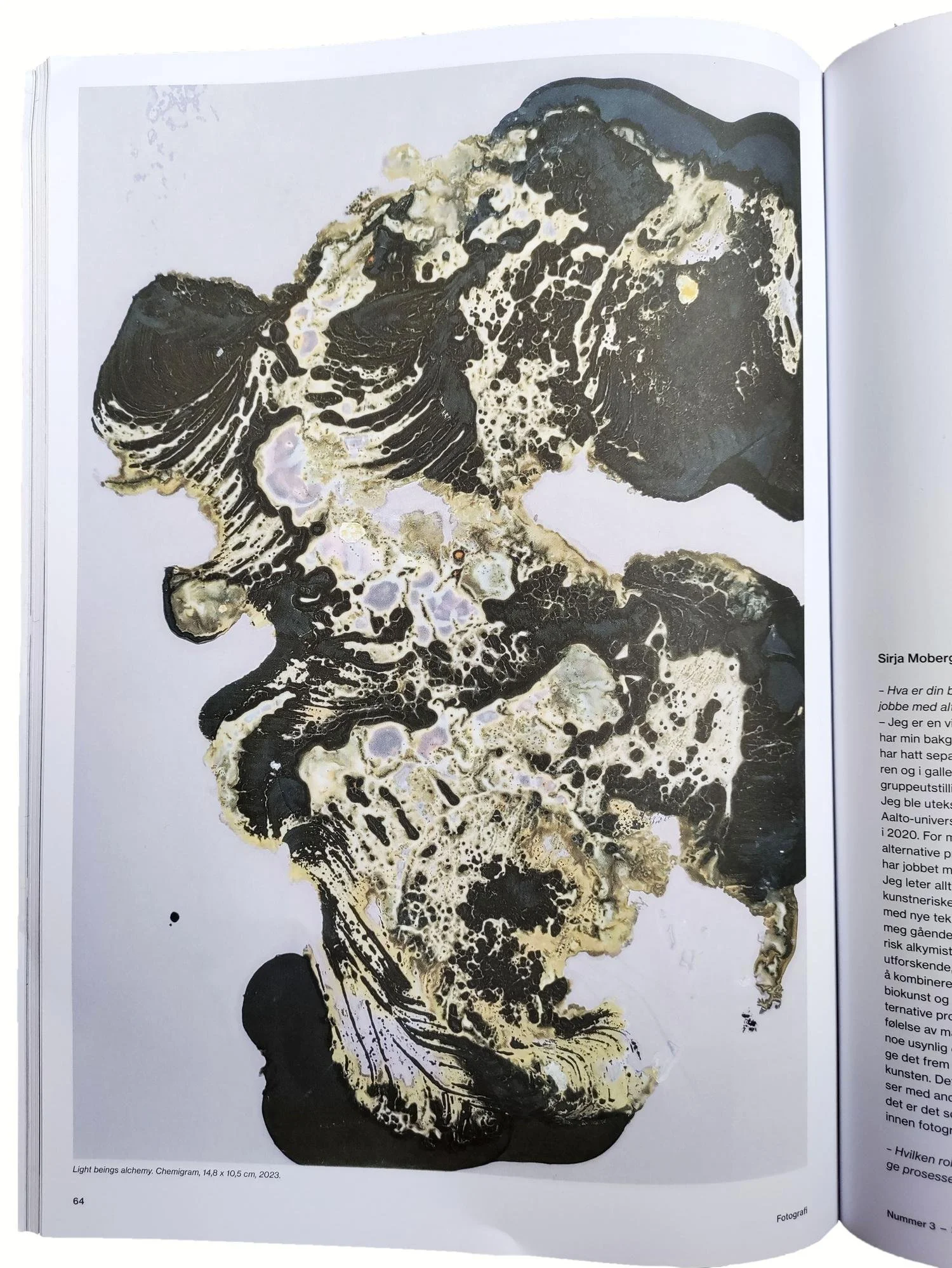
3 practical tips for using eco-friendly packaging:
Choose Recyclable or Compostable Materials
Swap plastic wraps and foam padding for kraft paper, cardboard, or compostable mailers. Look for materials certified by sustainability standards like FSC or compostability labels.Minimize Packaging Size and Waste
Use appropriately sized boxes or envelopes to reduce excess material. Avoid unnecessary fillers and opt for paper-based cushioning when needed.Include a Recycling Note for Customers
Add a simple, printed or digital note encouraging recipients to recycle or compost the packaging, and mention the materials’ eco-friendly properties to raise awareness.
Sustainability in photography and digital art isn’t about perfection — it’s about making smarter, more responsible choices where you can consistently. Every action, from choosing energy-efficient gear to minimizing digital clutter and using eco-friendly packaging, adds up over time. Creative professionals have the power to shape trends and influence others, and adopting mindful habits sends a valuable message to clients and audiences alike. ‘
By rethinking everyday practices and opting for greener alternatives, you protect not just your craft, but the environment it depends on. Small changes made consistently can lead to a meaningful, lasting impact in both your work and industry.

🌿 Ready to grow your art career as an eco-curious creative?
Join the training “Green Growth” and learn how to share your unique artistic voice, discover sustainable resources that fit your practice, and connect with a supportive community of like-minded creators.

RELATED ARTICLES
RELATED ARTICLES

faq: SUSTAINABLE packaging for artists (hiaa)
If each of the approximately 5,000 professional artists in Finland switched to sustainable packaging, we could potentially prevent tons of plastic waste from entering our environment each year.

supporting eco-friendly art suppliers
Artist, explore new, greener materials and support the businesses that align with our values. Every sustainable choice we make in our art practice ripples outward, inspiring others and contributing to a more environmentally conscious art world.

upcycling in arts (HIAA)
Upcycling allows us to create thought-provoking art while contributing to Helsinki's circular economy goals.
Let's challenge ourselves to see the artistic potential in the discarded and forgotten. By transforming waste into art, we not only create unique pieces but also spark important conversations about consumption and waste in our society.
