Image 1 of 1
Artist: Vegesent
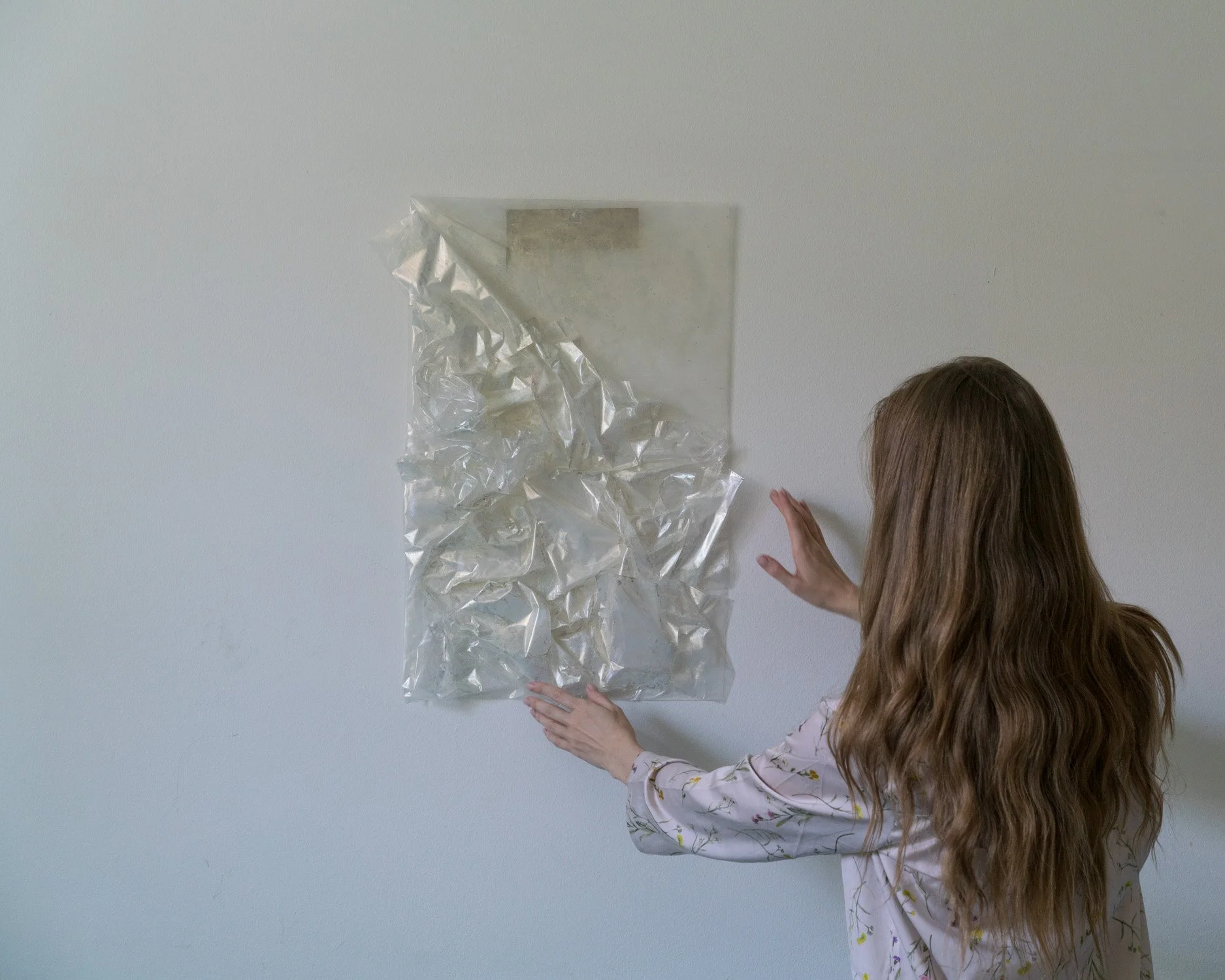
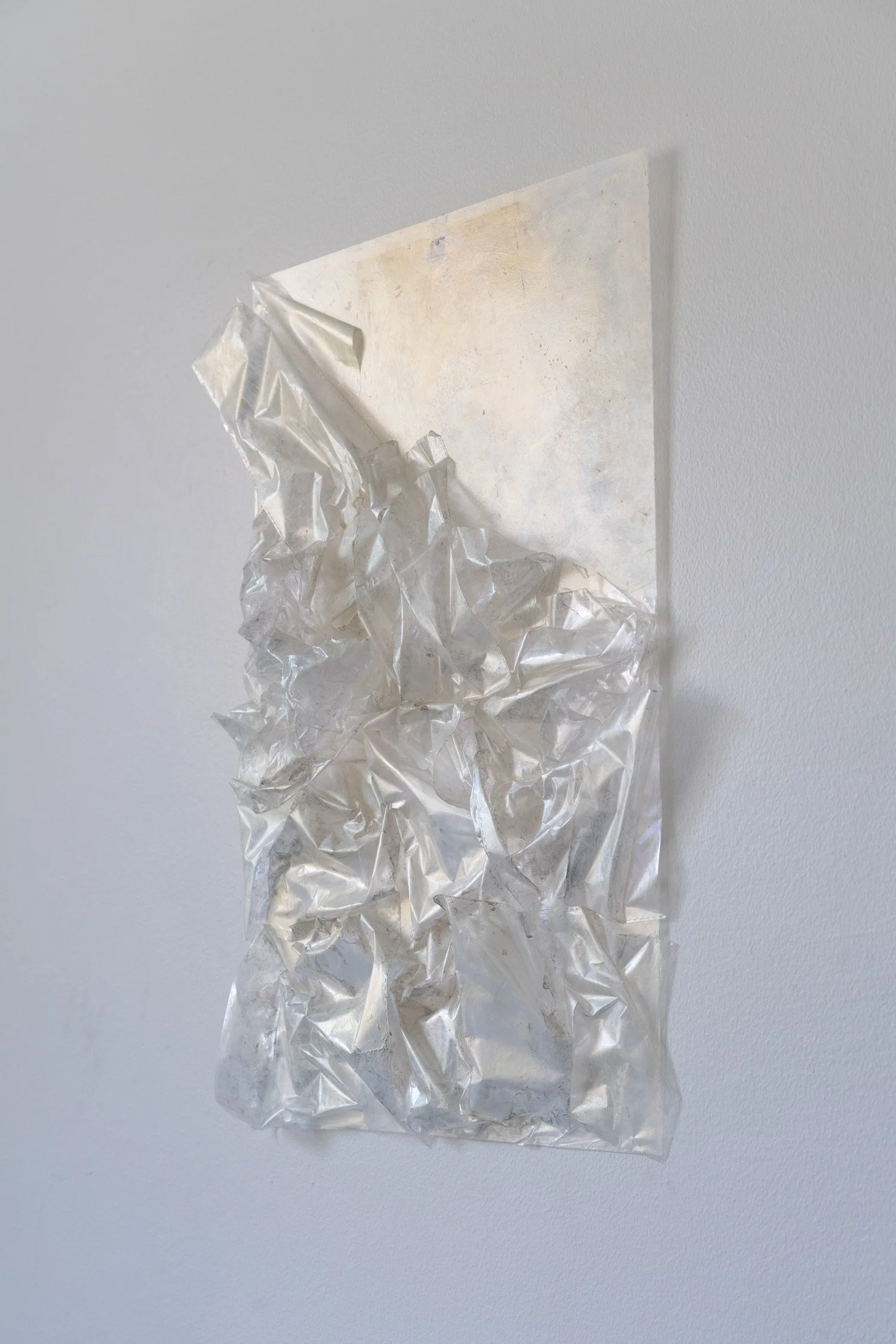
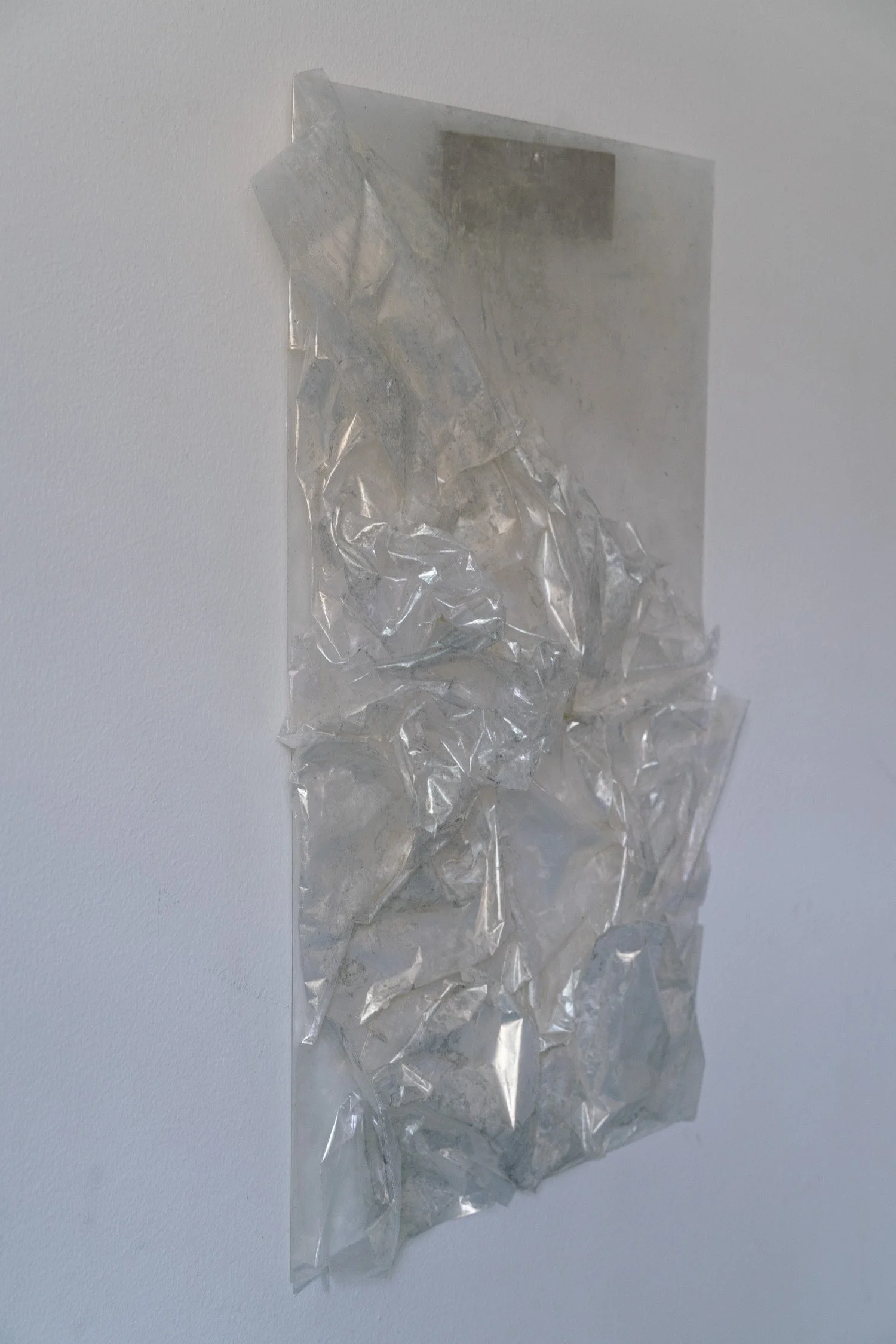
Materials: Discarded bags and plexiglass, acrylic paints
Dimensions: 60 x 40 cm | 24 x 16 in
Presented at Take me home gallery, Helsinki, 2026
Concept: Transparency does not produce visibility.
Transparent packaging shows what is inside, but the eye does not always register it. The animal inside the package is present in the system, but kept out of recognition by the way the system is organized to look elsewhere.
Packaging typically identifies the product, not the individual animal. Language itself produces invisibility. Carol J. Adams names this the absent referent: the word on the wrapper replaces the animal it came from, and the animal disappears from the moral frame.
EU and Finnish legislation identifies production animals primarily through herd numbers and production units rather than individual lives. Administrative systems require identification for management, but not individual recognition.
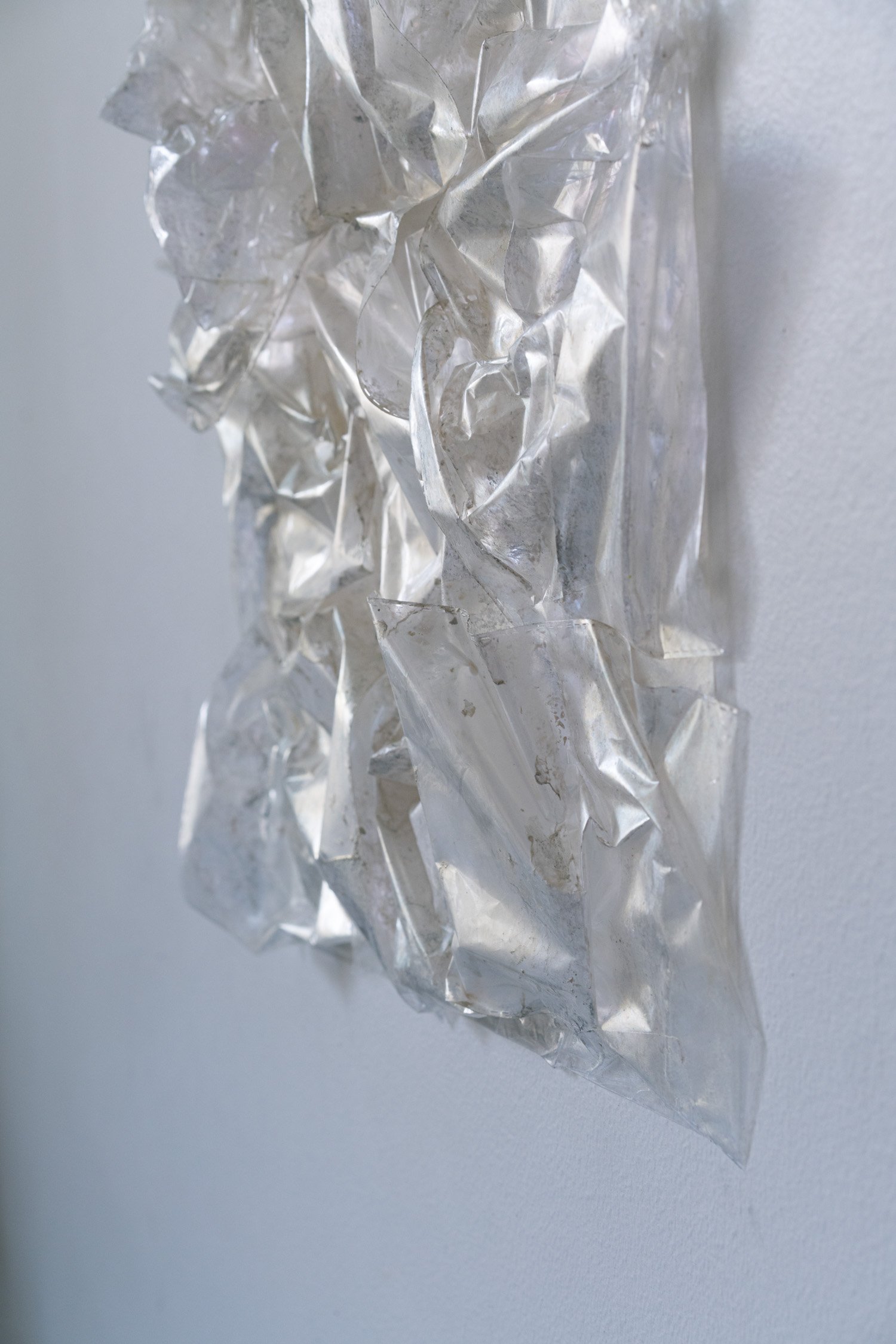
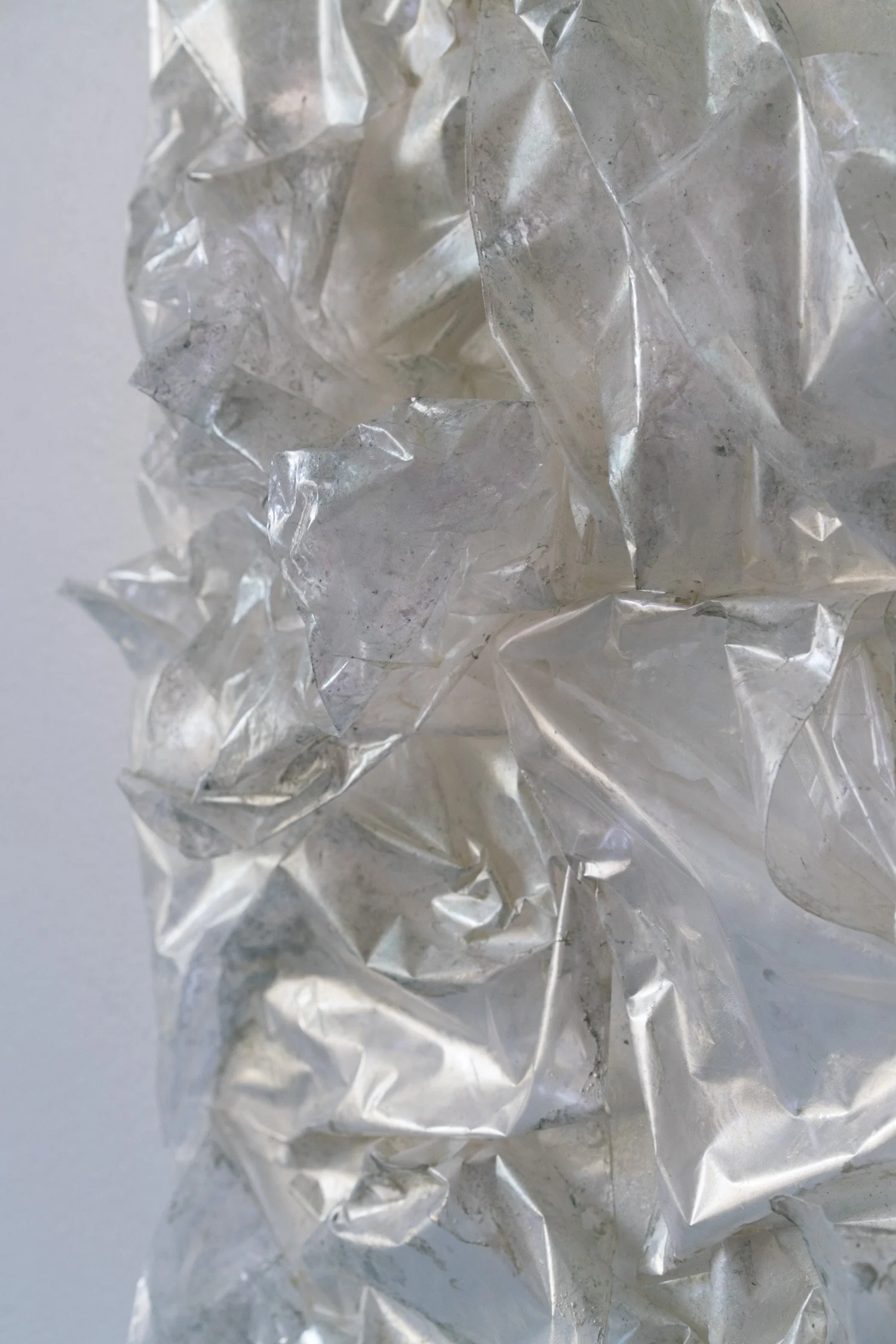
The work is built from discarded bags, plexiglass, and acrylic paints. The transparent and translucent materials are the metaphor: a thing can be physically see-through and still not be seen, the way an animal can be present in a system and still not be recognized.
The work investigates the social structure of selective perception, where being seen is conditioned on what a system has organized to recognize.
Research based on: Adams, The Sexual Politics of Meat, 1990
Artist: Vegesent
Materials: Discarded bags and plexiglass, acrylic paints
Dimensions: 60 x 40 cm | 24 x 16 in
Presented at Take me home gallery, Helsinki, 2026
Concept: Transparency does not produce visibility.
Transparent packaging shows what is inside, but the eye does not always register it. The animal inside the package is present in the system, but kept out of recognition by the way the system is organized to look elsewhere.
Packaging typically identifies the product, not the individual animal. Language itself produces invisibility. Carol J. Adams names this the absent referent: the word on the wrapper replaces the animal it came from, and the animal disappears from the moral frame.
EU and Finnish legislation identifies production animals primarily through herd numbers and production units rather than individual lives. Administrative systems require identification for management, but not individual recognition.
The work is built from discarded bags, plexiglass, and acrylic paints. The transparent and translucent materials are the metaphor: a thing can be physically see-through and still not be seen, the way an animal can be present in a system and still not be recognized.
The work investigates the social structure of selective perception, where being seen is conditioned on what a system has organized to recognize.
Research based on: Adams, The Sexual Politics of Meat, 1990