
How to Become an Eco Artist (Without Sacrificing Quality)
What is an eco artist?
An eco artist is someone who creates art using environmentally conscious materials and processes, aiming to reduce harm while maintaining strong visual quality. Eco artists focus on sustainable choices without sacrificing artistic expression or results.
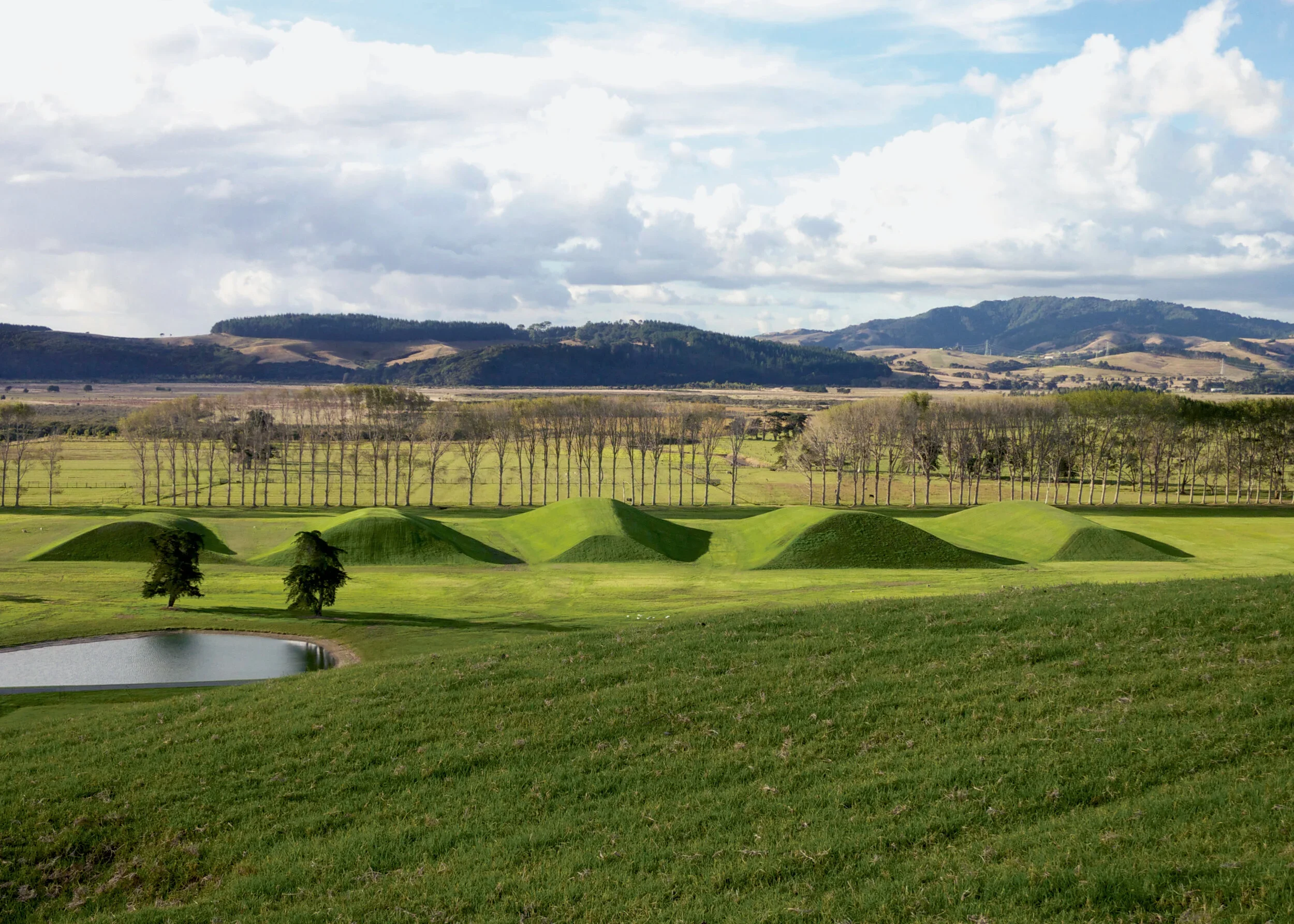
Environmental installations:
Olafur Eliasson Maya LinIf you’ve ever paused while creating and wondered, “Are my materials actually safe or eco-friendly?”—you’re not alone.
Many artists today want to become eco artists, but feel stuck between:
wanting to work sustainably
and wanting their art to look polished and professional
The problem is that most advice online focuses on either:
sustainability (but ignores visual quality), or
technique (but ignores environmental impact)
So you’re left trying to figure it out alone.
This guide will show you how to become an eco artist in a way that is:
practical
visually strong
and sustainable over time

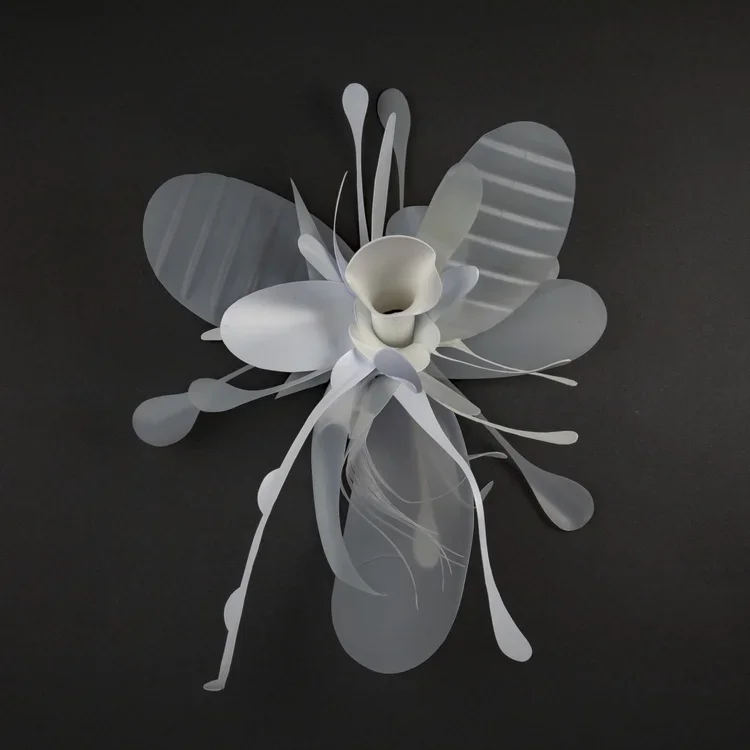
Material transformation
El Anatsui. Aurora Robson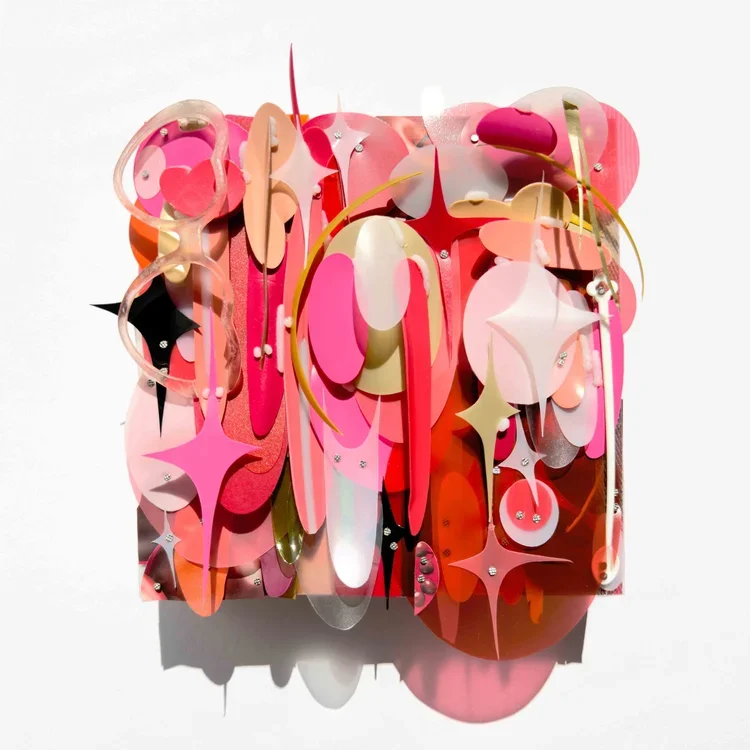
What Is an Eco Artist (In Practice, Not Theory)
Being an eco artist does not mean being perfect.
It means making better decisions over time about:
materials
process
waste
In real practice, an eco artist might:
use eco-friendly art materials when possible
reduce toxic or non-recyclable supplies
reuse or upcycle surfaces
build a more sustainable art workflow
There is no single “correct” way to be an eco artist—only a more conscious one.
Why Many Artists Struggle to Become an Eco Artist
The biggest mistake is trying to change everything at once.
Many beginner eco artists think:
“I need to replace all my materials immediately.”
This often leads to overwhelm, wasted materials and worse-looking artwork.
And eventually, stopping completely.
The truth:
Becoming an eco artist is not about fast change.
It’s about sustainable change.
Conceptual eco artists
Agnes DenesMierle  Laderman Ukeles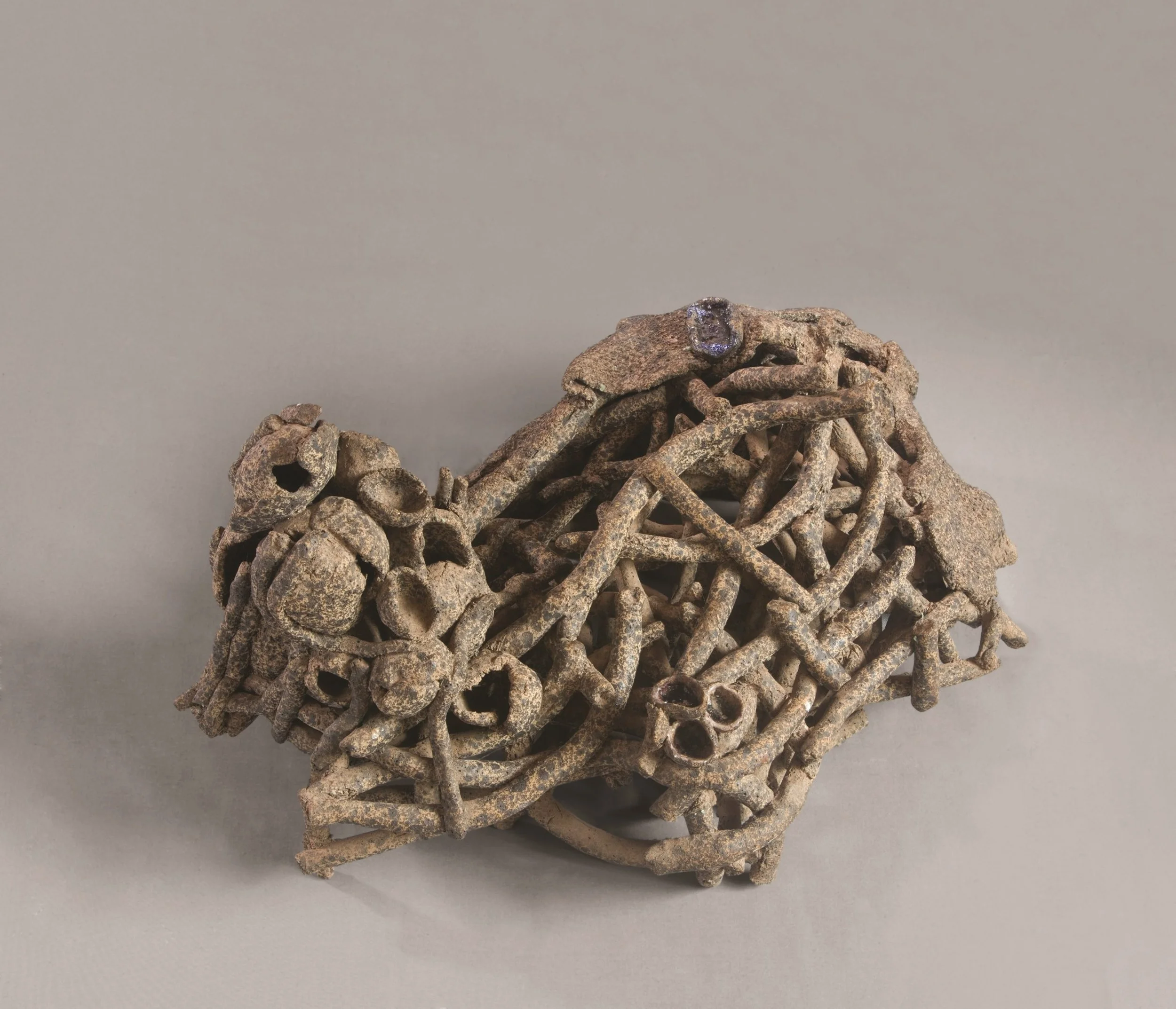
How to Choose Eco-Friendly Art Materials (Without Overthinking It)
You don’t need to know everything about sustainable art practices to start.
Use this simple decision system:
1. Keep using it if:
you already own it
it’s not highly toxic
you understand how it behaves
Using what you already have is one of the most sustainable art practices.
2. Replace it if:
it contains strong solvents
it produces unnecessary waste
it negatively affects your health
Focus on the highest-impact changes first.
3. Experiment if:
you’re curious about eco-friendly materials
it aligns with your style
you can test without pressure
Think in experiments—not full transitions.
How Eco Artists Improve Their Art Through Constraints
Limitation is one of the most powerful tools for any eco artist.
When you reduce:
materials
tools
color choices
You gain clarity, consistency and stronger visual identity.
Many eco artists develop a recognizable style faster because their materials are more intentional.
Constraints don’t weaken your art—they refine it.
Step-by-Step: How to Start as an Eco Artist
Here is a simple, realistic process:
Step 1: Audit your materials
Look at what you actually use.
Step 2: Categorize them
Keep
Replace later
Experiment with alternatives
Step 3: Choose ONE change
Not everything—just one.
Step 4: Test it
Run a small experiment instead of a final artwork.
Step 5: Evaluate
Ask:
Does it look good?
Does it feel usable?
Would I continue using it?
This is how you build confidence as an eco artist.
Common Questions About Being an Eco Artist
Do I need fully eco-friendly art materials?
No. Progress matters more than perfection.
Are traditional materials always bad?
No. Many can still be used responsibly.
Will eco art limit my creativity?
At first, it may feel different. Long-term, it often strengthens your artistic voice.
What if I can’t afford new materials?
Then don’t replace them yet. Using what you have is part of sustainable art practice.
You Don’t Need to Be Perfect to Be an Eco Artist
Many artists hesitate to call themselves an eco artist because they feel they’re “not doing enough.”
But eco art is not about perfection.
It’s about awareness, intention and progress. You are allowed to learn, experiment, and improve. That’s what makes you an eco artist.

Author: Veronika Kvitko, known as Vegesent, is a multidisciplinary artist whose work explores environmental responsibility and animal visibility through conceptual approach.
She serves as the head of sustainable development and art education in Helsinki International Artists Association.

RELATED ARTICLES
RELATED ARTICLES
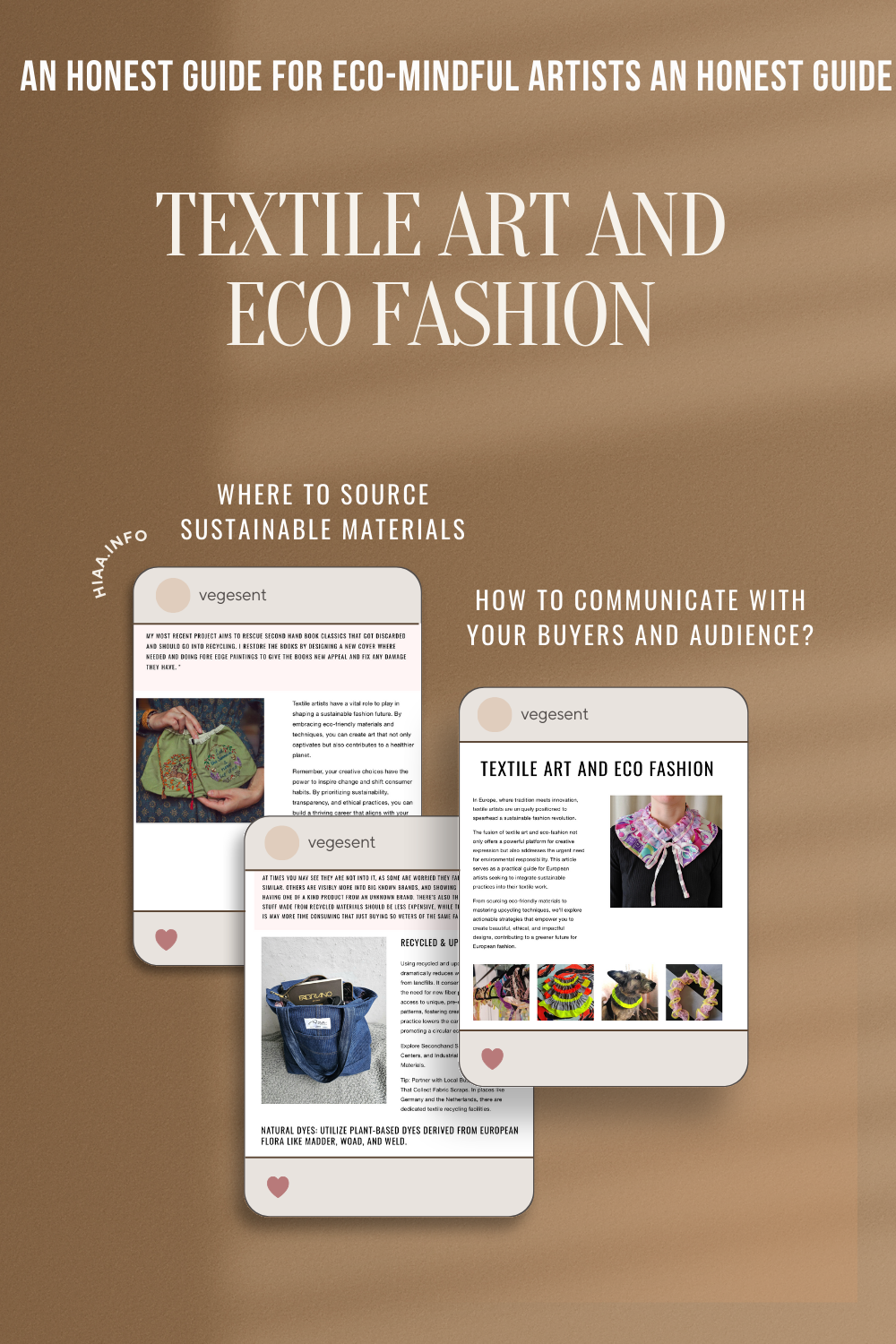
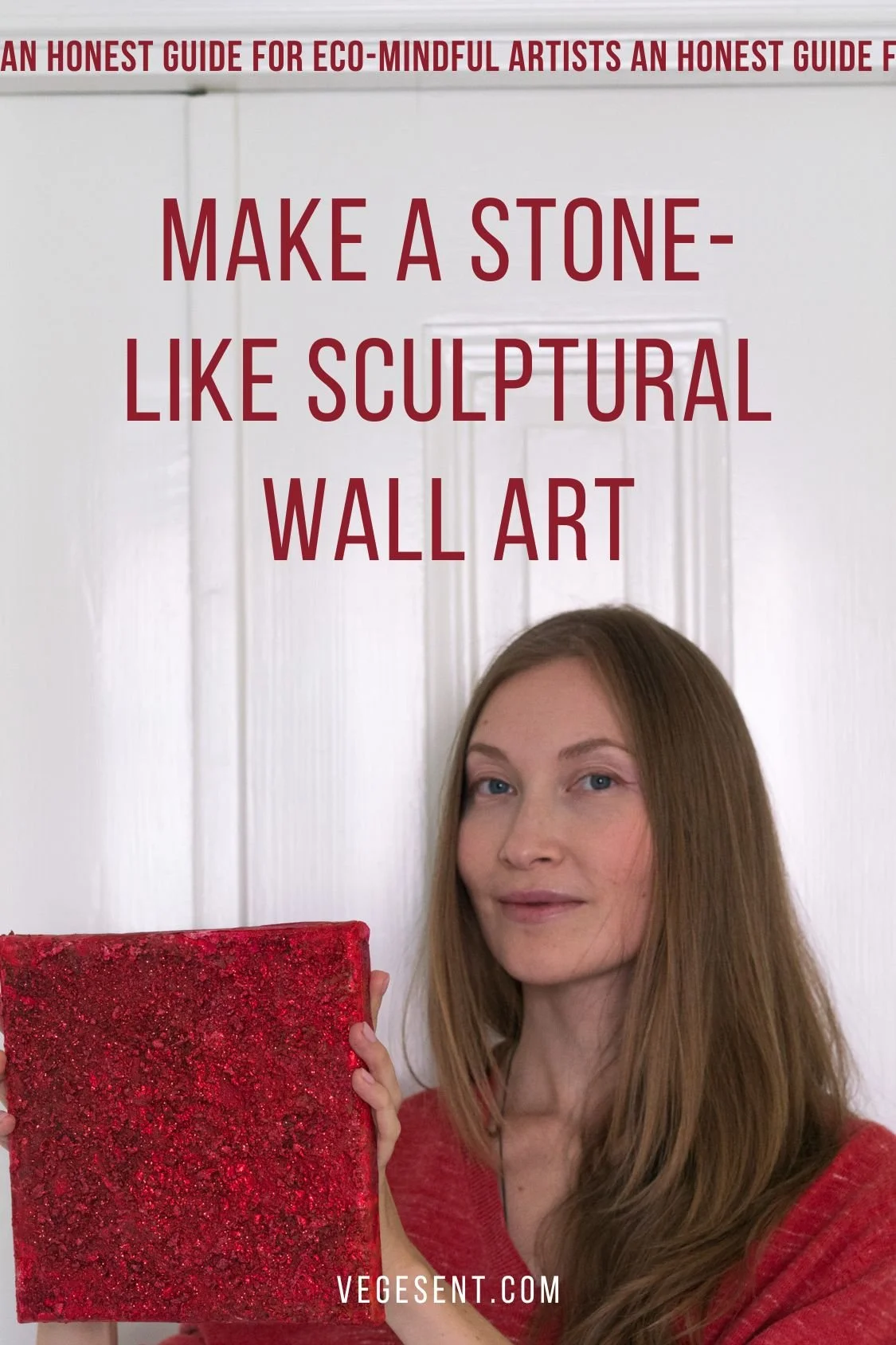

Vegan art isn’t just about materials—it’s about shaping culture. Exhibitions, collaborations, and storytelling in this space are educating audiences, inspiring change, and redefining artistic value. For eco-conscious beginners, it’s an invitation to turn creative passion into meaningful impact, gaining visibility, community, and purpose along the way.
Discover how vegan art can transform your practice and influence the cultural scene.