
Eco Friendly Art Supplies: A Practical Guide for Artists Who Care About the Planet (and Their Practice)
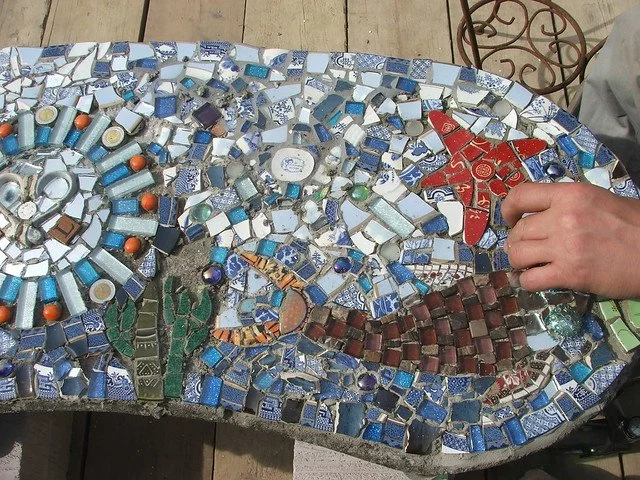
British sculptor and mosaic artist who transforms discarded materials like broken glass and ceramics into large-scale sculptural works, embracing recycling and reuse in art practice.

Choosing eco friendly art supplies isn’t about being perfect, radical, or giving up creative freedom. For most artists, it starts with a quieter moment: a headache after a studio session, the smell of solvents lingering in the air, the growing guilt of throwing away materials that don’t align with personal values.
If you’re an artist who loves animals, cares about the environment, and still wants to grow creatively and professionally, this guide is for you.
Eco friendly art supplies are not a trend. They are a long-term shift toward healthier studios, stronger artistic identities, and more meaningful connections with audiences. And no — you don’t need to overhaul your entire practice overnight.
This article will walk you through what eco friendly art supplies really are, why conventional materials can be problematic, and how to build a sustainable art practice using non-toxic, circular, and biodegradable materials, including real examples from an artist-tested material library.

What Are Eco Friendly Art Supplies?
Eco friendly art supplies are materials created or used in ways that reduce harm to:
human health
animals
ecosystems
future resources
They typically fall into one (or more) of these categories:
Non-toxic (safe to use, low or zero VOCs)
Biodegradable (break down naturally)
Recycled or upcycled
Renewable or regenerative
Low-impact in production and disposal
An important distinction: eco friendly doesn’t mean DIY-only or unprofessional. Many artists working with galleries, museums, and collectors are intentionally choosing sustainable materials — and being valued for it.

British environmental artist known for site-specific installations and sculptures that use natural and found materials (including mushroom spore prints and organic elements) to explore human-nature connections.
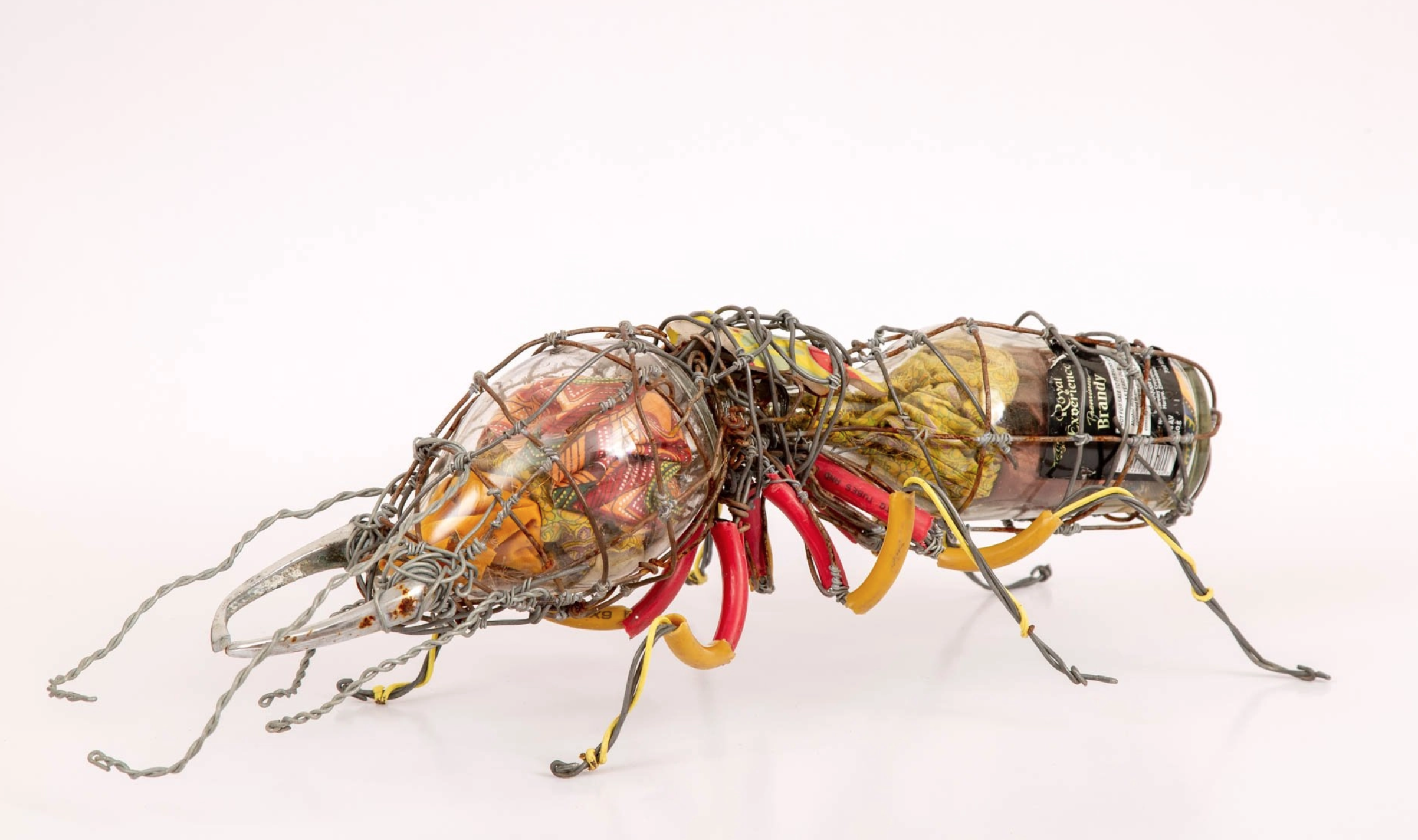
Johnson Zuze
Zimbabwean artist using recycled materials (plastic bottles, glass, wire) to make socially engaged art that sparks discussion about waste and conservation.
Why Conventional Art Supplies Deserve a Second Look
Traditional art materials often rely on:
petroleum-based resins
plastic binders
heavy metals in pigments
synthetic adhesives and sealants
These materials can impact artists in three major ways:
1. Health
Long-term exposure to solvents, resins, and toxic pigments can cause headaches, skin irritation, respiratory issues, and chronic fatigue. Many artists normalize discomfort — but it shouldn’t be part of the job.
2. Environmental impact
Plastic-heavy supplies and chemical runoff contribute to water pollution, microplastics, and landfill waste. Even “eco” resins often still contain plastic.
3. Emotional cost
Eco-anxiety and guilt can quietly drain creative energy. When your materials conflict with your values, consistency and confidence suffer.
Eco friendly art supplies offer a way forward that supports both creative longevity and ethical clarity.
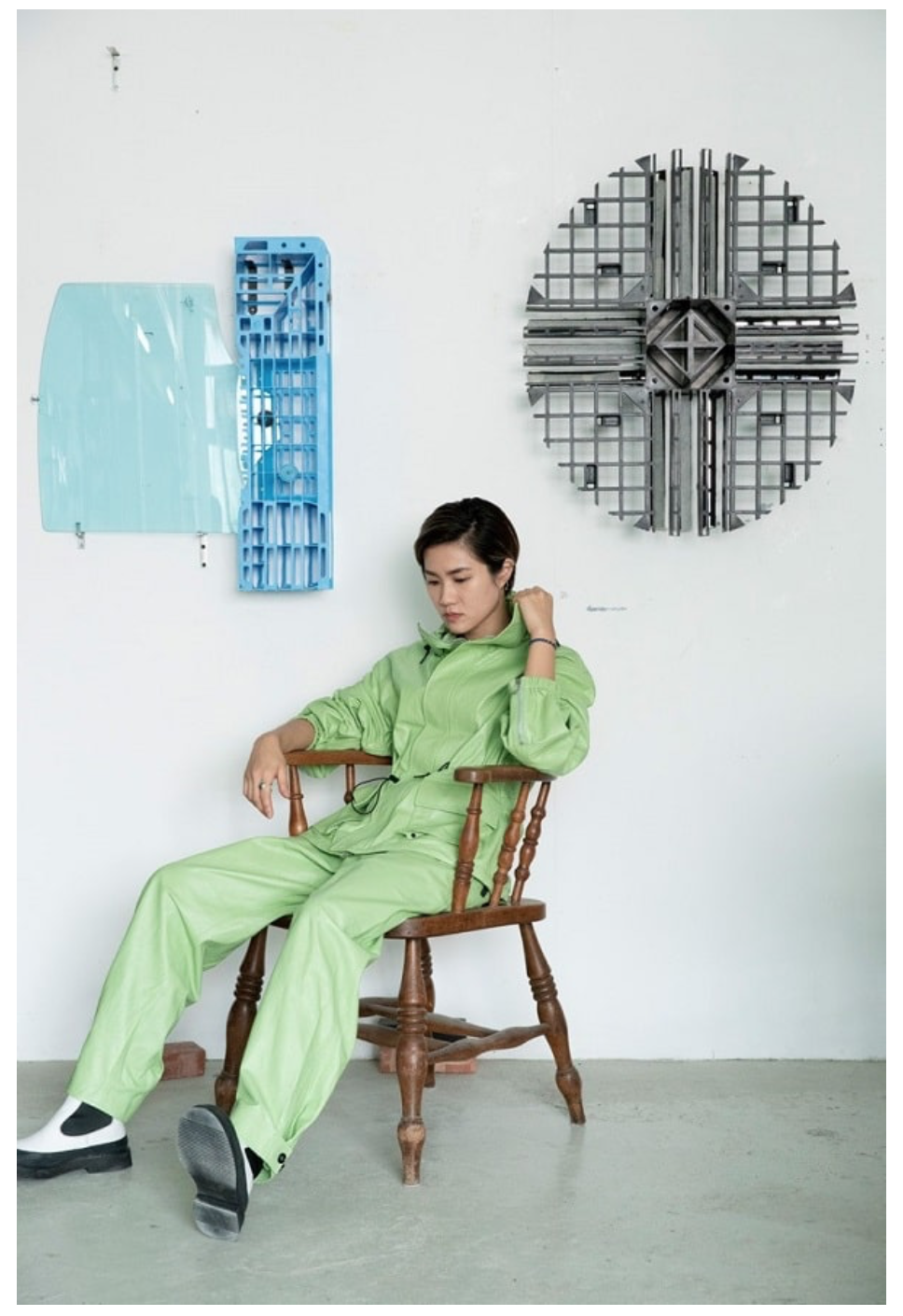
Hong Kong–based artist whose mixed-media work often incorporates recycled and organic materials to investigate material culture and reuse within contemporary art.
Eco Friendly Art Supplies for Artists: Real Materials, Real Uses
Just a few examples:
Clay, Earth & Mineral-Based Materials
Local recycled clay
As long as clay hasn’t been fired, it can be reused indefinitely. This makes it one of the most circular sculptural materials available.
Natural earth pigments
Derived from minerals and soils, these pigments can be purchased or handmade. They offer rich, grounded tones without synthetic chemicals.
Gypsum
One of the few truly green alternatives to petroleum-based resins. Gypsum is mineral-based and widely used in low-impact sculptural practices.
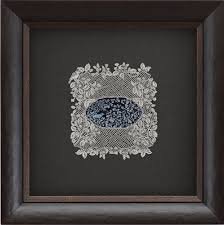
Filipino-American artist who creates intricate works using recycled paper and repurposed materials, often transforming brown paper bags and other single-use materials into detailed imagery.
Glass, Metal & Durable Reclaimed Materials
Recycled glass
Glass is infinitely recyclable, refillable, and reusable — making it ideal for installations, sculptural elements, and mixed media works.
Upcycled metals
Discarded metal objects can be reworked into durable, expressive forms while extending material life cycles.
Driftwood or reclaimed wood
Perfect for carving or assembling sculptural works with a strong narrative of place, time, and reuse.
Printmaking & Surface Techniques
Natural rubber
Ideal for printmaking stamps, erasers, or matte surface effects — a biodegradable alternative to synthetic rubber.
Linoleum
Traditional linoleum is biodegradable and doesn’t release harmful chemicals as it decomposes, making it an excellent printmaking material.
Recycled rubber
Rubber reclaimed from scrap materials can be repurposed into resilient sculptural or functional art elements.
Leather Alternatives & Ethical Materials
Reclaimed leather
Not recycled leather, but repurposed existing material — less toxic and aligned with circular consumption.
Natural plant-based leathers
Including cactus leather, apple leather, Piñatex, and mushroom leather — all produced with reduced animal harm and lower environmental impact.
Paper-Based Circular Materials
Waste paper pulp
Molded into sculptural or relief forms, waste paper pulp allows artists to narrate the circular journey of paper itself.

British sculptor known for large-scale, hyper-realistic sculptures made from recycled cardboard, demonstrating how discarded materials can be transformed into expressive, sustainable works.
How to Transition to Eco Friendly Art Supplies Without Overwhelm
You don’t need to throw everything away.
A sustainable art practice is built through small, intentional shifts:
Use what you already own
Waste happens when materials are discarded prematurely.Replace one material at a time
For example, switch adhesives before changing pigments.Experiment slowly
Eco friendly art supplies often behave differently — give yourself time to learn their qualities.Document the process
Process-based documentation adds depth to your portfolio and strengthens your artistic narrative.
Progress matters more than purity.
Creative Benefits of Eco Friendly Art Supplies
Artists often report unexpected creative gains when working with sustainable materials:
More tactile surfaces
Slower, more mindful processes
Stronger emotional resonance
Deeper connection between material and message
Materials like earth pigments, waste paper pulp, or mushroom mycelium don’t just support the concept — they become the concept.

Californian eco-artist who uses ocean trash and marine debris to create “trashion” (trash + fashion) and sculptural work that raises awareness about pollution and sustainable practices.
Eco Friendly Art Supplies and Selling Your Art
Collectors and galleries are increasingly drawn to:
transparency
ethical clarity
material storytelling
Using eco friendly art supplies:
strengthens artist statements
builds trust with buyers
aligns your work with contemporary cultural values
Importantly, sustainability does not lower artistic value. It often raises it.
Your materials become part of your signature.
Common Mistakes to Avoid
Trying to switch everything at once
Falling for greenwashing labels
Comparing your practice to artists at a different stage
Letting research replace making
Eco-conscious art is a practice, not a performance.
A Simple Starter Checklist
Choose one material to replace this month
Reduce one toxic habit in your studio
Research one sustainable alternative
Make one piece that reflects your values
That’s enough to begin.
Eco friendly art supplies are not about restriction — they are about alignment.
When your materials reflect your values, your practice becomes:
more consistent
more confident
more visible
more sustainable — creatively and financially
You don’t need to be further ahead.
You don’t need a perfect studio.
You only need to start where you are, with what you have, and choose a path that feels honest.
Small, steady choices in your art practice today will shape the artist you become tomorrow.
And that path rooted in care, intention, and responsibility — is already powerful. 🌱

Author: Veronika Kvitko, known as Vegesent, is a multidisciplinary artist whose work explores environmental responsibility and animal visibility through conceptual approach.
She serves as the head of sustainable development and art education in Helsinki International Artists Association.
RELATED ARTICLES
RELATED ARTICLES

E-BOOK "NOTES ON ART AND SUSTAINABILITY: FOR ART COLLECTORS, CURATORS AND CREATIVES"
This guide doesn't just present concepts; it provides tangible solutions for integrating ethical art seamlessly into surrounding spaces.
Be inspired by amazing visual design where art initiates conversations, sparks lifestyle shifts, and contributes to positive transformations.

VEGAN STATEMENTS: ART WITH PURPOSE FOR THE WORLD CHANGERS
In a world where animal rights activists, vegans, and environmentalists embark on a remarkable mission to transform the planet, I often encounter daunting challenges. My desire for meaningful, ethical influence and interaction has never been greater. This is where the "Ethical message" art collection by Vegesent comes into play, serving as a guiding light for those who seek to make a difference.

ART MATERIALS ALIGNED WITH OUR VALUES
My carefully selected range of materials and suppliers ensures not only the longevity of your modern geometrical artwork but also your health and well-being. Join me in investing in contemporary art that aligns with your values and makes a positive impact on the world.
