
Vibrant Vegetarian Art: How Plant-Based Living Inspires Creative Expression
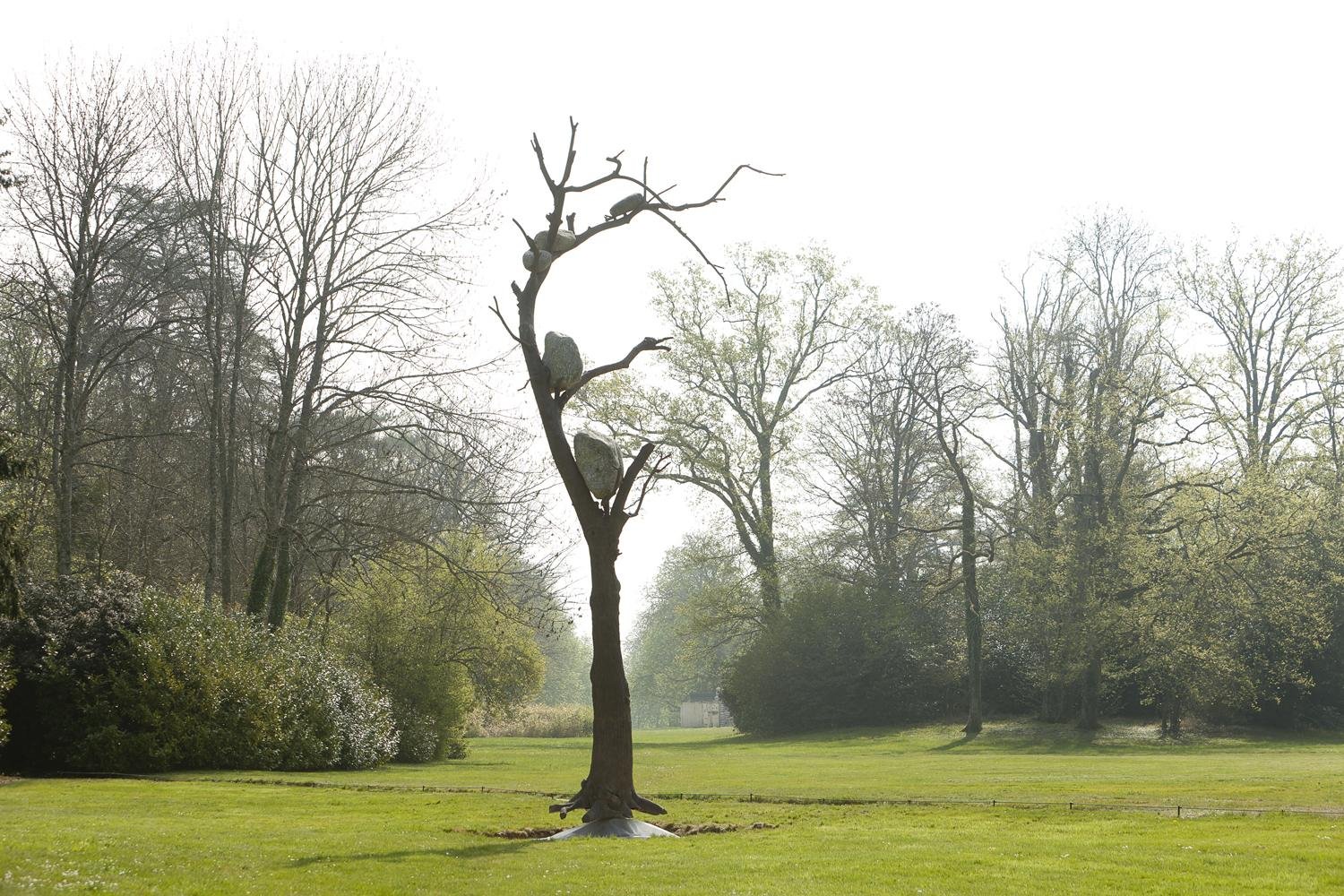
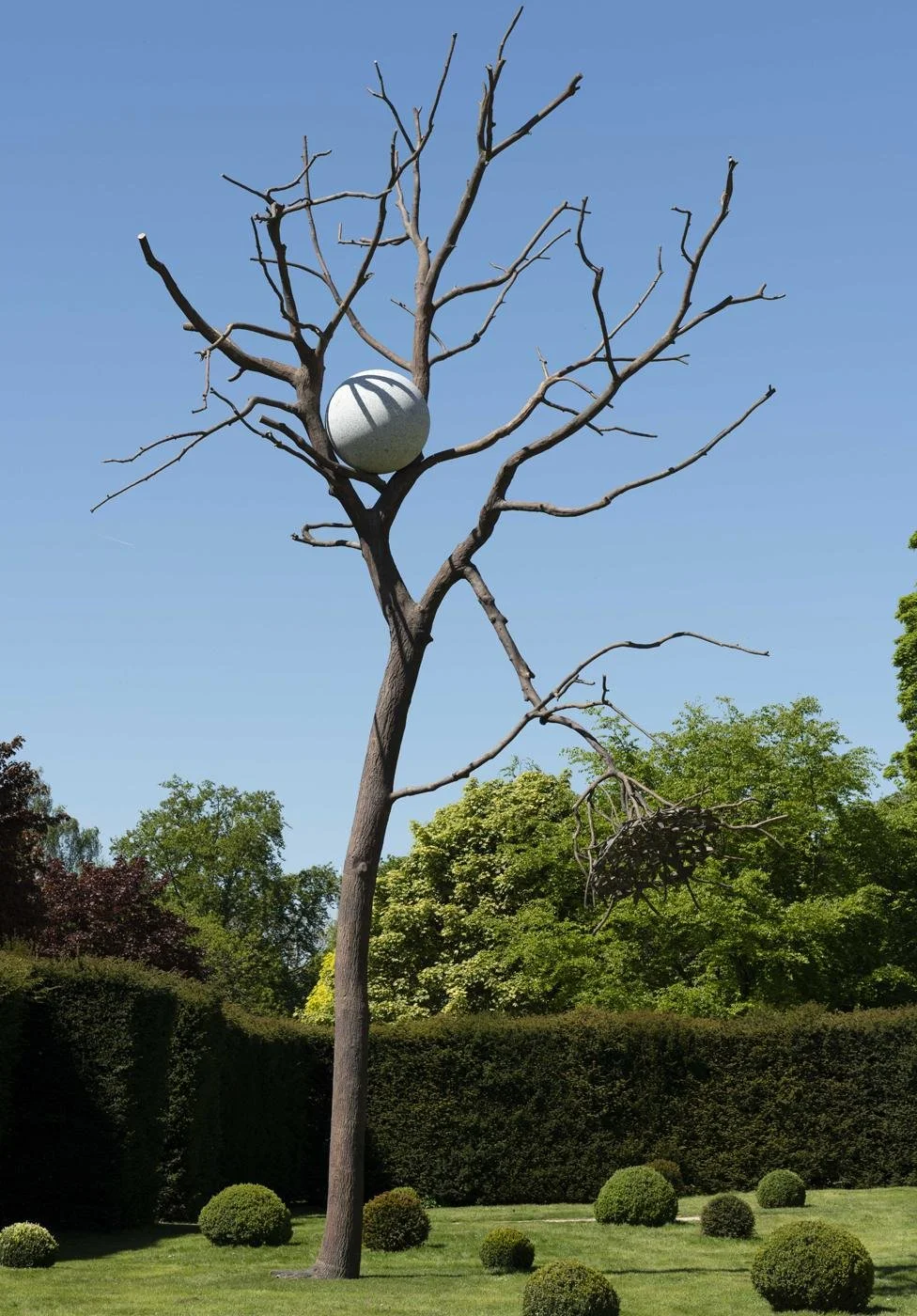
Giuseppe Penone — Living Tree & Nature Sculptures
Penone’s work engages living plant materials (trees, roots, leaves) to bridge human creativity with botanical existence — resonant for any plant-centric art dialogue.
Vegetarian art is urgent
In a world that increasingly celebrates the beauty of plant-based living, vibrant vegetarian art has emerged as a compelling expression of creativity and passion. This artistic revolution not only showcases the colorful palette of fruits and vegetables but also embodies a lifestyle choice that prioritizes health, sustainability, and ethical living. From vivid paintings inspired by nature’s bounty to innovative sculptures crafted from organic materials, artists are capturing the essence of vegetarianism and its impact on our environment.
As the art scene evolves, so does the dialogue around food and consciousness, prompting creators to explore themes of abundance, transformation, and care for the Earth. Join us as we delve into how plant-based living ignites imagination and fosters a deeper connection with our surroundings, unveiling the profound relationship between what we eat and how we express ourselves artistically. Discover how this colorful journey can inspire you to rethink your own creative endeavors!

The Connection Between Plant-Based Living and Creativity
Plant-based living and creativity share a harmonious relationship that is deeply rooted in the natural world. This synergy is evident in the way vegetarianism encourages individuals to explore the beauty and potential of plant life. By consuming and appreciating fruits, vegetables, and other plant-based foods, people develop a profound connection with nature, which in turn fuels their creative endeavors. This connection goes beyond mere sustenance, influencing the way artists perceive their environment and express their ideas through various artistic mediums.
The vibrancy and diversity of plant life provide an endless source of inspiration for artists. The myriad of colors, shapes, and textures found in fruits and vegetables can be translated into striking visual art, from paintings and drawings to intricate sculptures. This rich palette allows artists to experiment with different combinations and compositions, resulting in unique and captivating works that celebrate the natural world. Moreover, the act of creating art with plant-based themes can be a meditative and grounding experience, further enhancing an artist's connection to their subject matter.
In addition to the aesthetic appeal, plant-based living often aligns with values of sustainability, health, and ethical considerations. These principles can also influence an artist's creative process and the messages they wish to convey through their work. By incorporating themes of environmental stewardship, wellness, and compassion into their art, creators can inspire others to consider the impact of their dietary and lifestyle choices. This holistic approach to art and living fosters a deeper understanding of the interconnectedness of all life forms and promotes a more mindful and conscientious way of being.
Notable Vegetarian Artists and Their Works
Throughout history, numerous artists who embraced vegetarianism have left an indelible mark on the art world with their innovative and thought-provoking works. These artists not only championed plant-based living but also used their art to explore themes of nature, compassion, and sustainability. Their contributions continue to inspire contemporary artists and audiences alike.
One such notable figure is Leonardo da Vinci, who is widely regarded as one of the greatest artists and thinkers of all time. Da Vinci's vegetarianism was rooted in his profound respect for all living beings and his belief in the interconnectedness of life. His meticulous studies of plants and animals are evident in his art, which often features intricate and lifelike depictions of the natural world. Da Vinci's approach to art and life exemplifies the harmonious relationship between vegetarianism and creativity, demonstrating how a deep appreciation for nature can inform and enhance artistic practice.
In the modern era, artists such as Georgia O'Keeffe and Frida Kahlo have also embraced plant-based living and incorporated themes of nature and sustainability into their work. O'Keeffe's iconic paintings of flowers and landscapes capture the vibrant beauty of the natural world, while her commitment to a simple and sustainable lifestyle reflects her deep connection to the environment. Similarly, Kahlo's vivid and surreal paintings often feature botanical elements and explore themes of identity, resilience, and the human-nature relationship. Both artists have left a lasting legacy that continues to influence and inspire contemporary vegetarian artists.
Another contemporary artist worth mentioning is Giuseppe Arcimboldo, known for his imaginative and whimsical portraits composed of fruits, vegetables, and other natural elements. Arcimboldo's work challenges traditional notions of portraiture and encourages viewers to see the world from a different perspective, highlighting the beauty and diversity of plant life. His innovative approach to art and his playful exploration of the natural world serve as a testament to the creative potential of plant-based living.
The Impact of Nature on Artistic Expression
Nature has long been a profound source of inspiration for artists, offering a boundless array of colors, forms, and textures to explore. The natural world provides a rich tapestry of visual and sensory experiences that can be translated into compelling works of art. For vegetarian artists, the connection to nature is particularly significant, as their lifestyle choices often reflect a deep respect for the environment and a desire to live in harmony with the Earth.
The impact of nature on artistic expression can be seen in the way artists interpret and represent the natural world in their work. From detailed botanical illustrations to abstract landscapes, artists draw upon the beauty and complexity of nature to create works that evoke a sense of wonder and appreciation. This connection to nature can also be a source of solace and inspiration, providing a space for reflection and contemplation that can enhance the creative process.
In addition to providing visual inspiration, nature also offers a rich source of materials for artistic creation. Many vegetarian artists incorporate natural and sustainable materials into their work, such as plant-based dyes, recycled paper, and organic fibers. This approach not only aligns with their values of sustainability and environmental stewardship but also adds a unique and tactile quality to their art. By using materials that are connected to the natural world, artists can create works that are both aesthetically pleasing and ecologically responsible.
Furthermore, the themes and messages conveyed through nature-inspired art can resonate deeply with audiences, encouraging them to consider their own relationship with the environment. Whether through the depiction of pristine landscapes, the exploration of ecological issues, or the celebration of biodiversity, nature-inspired art has the power to inspire change and foster a greater sense of environmental consciousness. For vegetarian artists, this alignment of artistic practice and ethical values serves as a powerful means of advocating for a more sustainable and compassionate world.
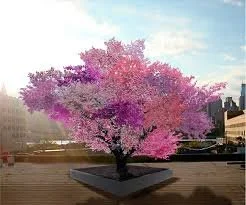
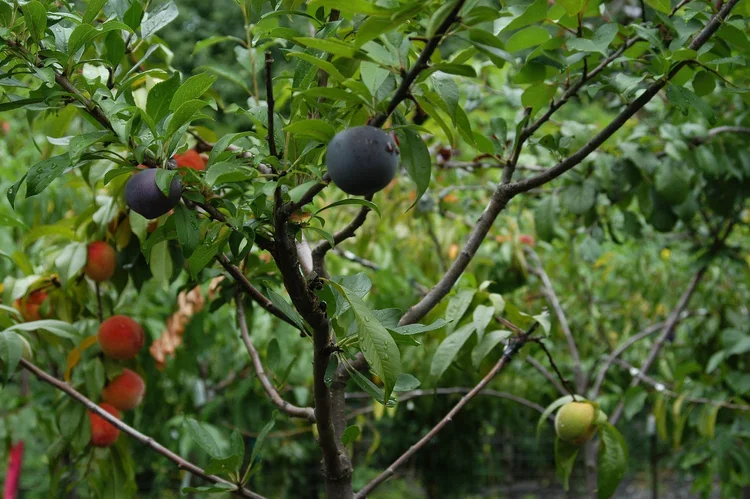
Sam Van Aken — The Tree of 40 Fruit
Van Aken grafts multiple stone fruit varieties onto single trees — living artworks that bloom in abundant color and speak to biodiversity, sustainability, and seasonal cycles.
Historical Influences of Vegetarianism in Art
The relationship between vegetarianism and art is not a recent phenomenon; it has deep historical roots that span various cultures and time periods. Throughout history, many artists have drawn inspiration from the natural world and embraced plant-based living as a means of fostering creativity and promoting ethical values. This historical context provides a rich tapestry of influences that continue to shape contemporary vegetarian art.
In ancient civilizations, such as those of Greece, Rome, and India, the reverence for nature and vegetarianism were often intertwined. For instance, Pythagoras, the renowned Greek philosopher and mathematician, advocated for a vegetarian diet, believing it to be essential for maintaining harmony with the natural world. This philosophy influenced the art and culture of the time, as artists and thinkers sought to capture the beauty and purity of nature in their work. Similarly, in India, the principles of Ahimsa (non-violence) and respect for all living beings have long been central to various religious and philosophical traditions, such as Jainism, Buddhism, and Hinduism. These beliefs have inspired countless artists to create works that celebrate the sanctity of life and the interconnectedness of all beings.
During the Renaissance, a renewed interest in the natural world and humanism led to a flourishing of art that celebrated the beauty of nature and the human form. Artists such as Leonardo da Vinci and Albrecht Dürer were known for their meticulous studies of plants and animals, which informed their artistic practice. While not all Renaissance artists were vegetarians, their deep appreciation for the natural world laid the groundwork for future generations of artists who would embrace plant-based living as part of their creative ethos. This historical lineage underscores the enduring connection between vegetarianism and artistic expression, highlighting the ways in which these two realms have mutually enriched one another over time.
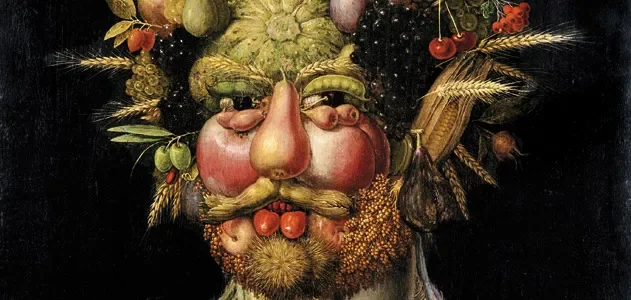
Giuseppe Arcimboldo — Historic Vegetable Portrait Master
Arcimboldo’s iconic composite portraits made from vegetables, fruits, and plants capture the whimsical beauty of plant-based forms long before “vegetarian art” was a term.
Techniques for Creating Vibrant Vegetarian Art
Creating vibrant vegetarian art involves a combination of traditional and innovative techniques that allow artists to harness the beauty and potential of plant-based materials. By experimenting with different methods and approaches, artists can develop unique styles and create works that reflect their values and vision. Here, we explore some techniques that can be used to create stunning vegetarian art.
One technique that is particularly well-suited to vegetarian art is botanical illustration. This traditional method involves the detailed and accurate depiction of plants and their parts, often with an emphasis on scientific precision and artistic beauty. Botanical illustration requires careful observation and a deep understanding of plant anatomy, making it an excellent way for artists to connect with the natural world and capture its intricate details. By using fine lines, delicate shading, and vibrant colors, artists can create highly realistic and visually striking representations of plant life.
Another technique that can be used to create vibrant vegetarian art is the incorporation of natural materials and organic forms. Artists can experiment with using plant-based materials, such as leaves, flowers, seeds, and roots, to create textured and tactile artworks. For example, an artist might use pressed flowers to create delicate and ephemeral compositions, or they might incorporate dried plant materials into mixed-media collages. This approach not only adds a unique and natural quality to the art but also reinforces the connection to the environment and the principles of sustainability and conservation.
In addition to these traditional techniques, contemporary artists are also exploring innovative methods for creating vegetarian art. For example, some artists are experimenting with plant-based dyes and pigments, which can be used to create vibrant and eco-friendly artworks. These natural dyes can be extracted from a variety of plant sources, such as beetroot, turmeric, and indigo, and can be used to create a wide range of colors and effects. Additionally, artists can experiment with digital and multimedia techniques to create dynamic and interactive artworks that explore themes of nature and sustainability. By combining traditional and contemporary methods, artists can push the boundaries of vegetarian art and create works that are both visually stunning and conceptually rich.
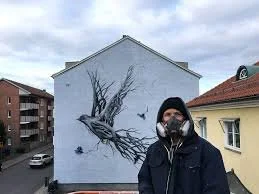
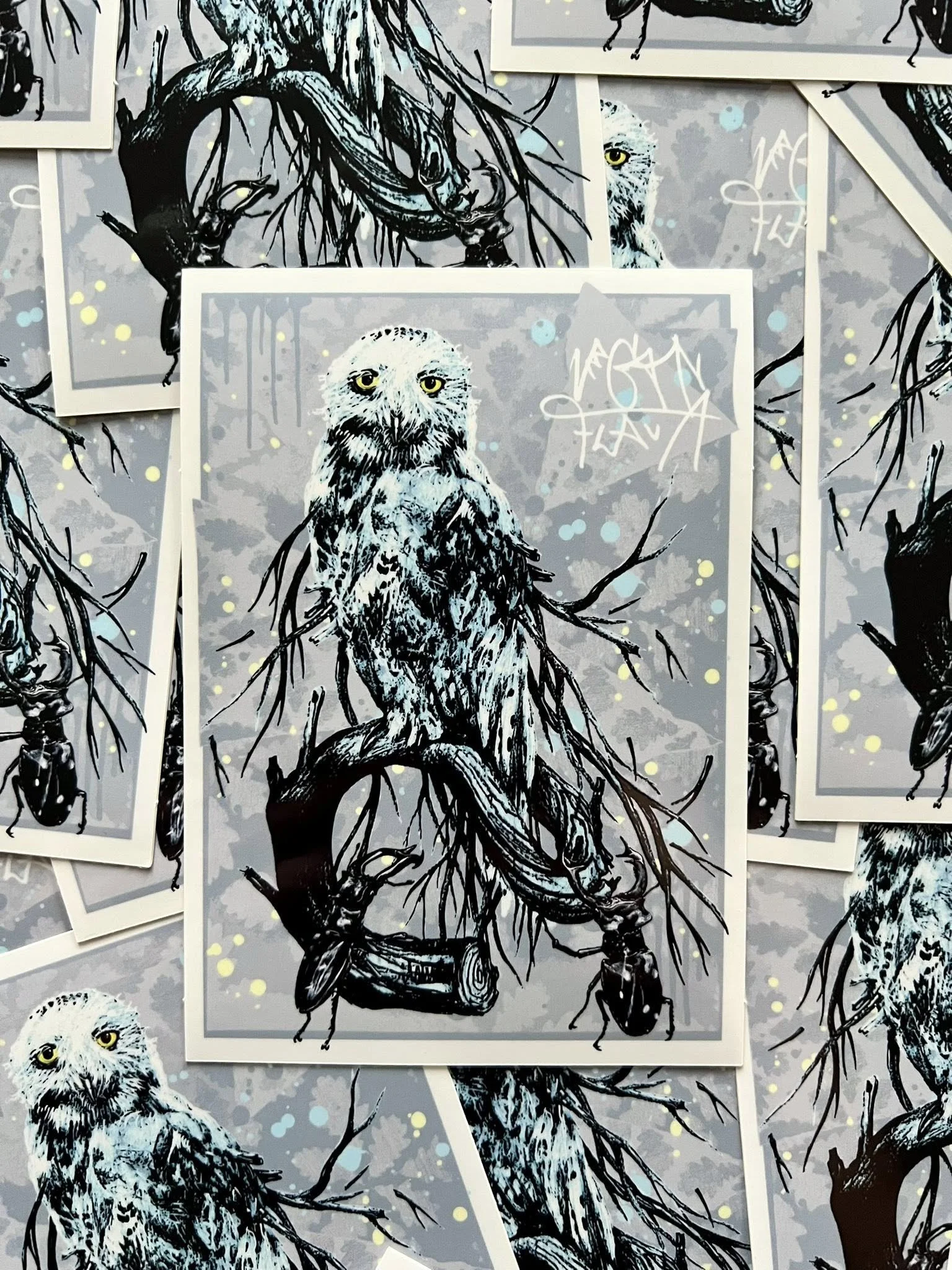
Vegan Flava – Swedish-Finnish street artist whose environmentally reflective public work celebrates nature, wildlife, and symbiotic human–ecosystem relationships.
Exploring Color and Texture in Plant-Based Art
The exploration of color and texture is a fundamental aspect of artistic expression, and for plant-based artists, the natural world offers an abundant palette from which to draw inspiration. The vibrant hues and intricate textures found in fruits, vegetables, and other plant materials provide endless opportunities for creative experimentation and innovation.
Color plays a pivotal role in plant-based art, as it can evoke emotions, create visual interest, and convey meaning. The rich and diverse colors found in the natural world, from the deep greens of leafy vegetables to the bright reds of ripe tomatoes, offer a dynamic and varied spectrum for artists to explore. By experimenting with different color combinations and contrasts, artists can create visually striking compositions that capture the essence of plant life. Additionally, the use of natural pigments and dyes derived from plants can add a unique and organic quality to the artwork, further enhancing its connection to the natural world.
Texture is another crucial element in plant-based art, as it adds depth and tactile interest to the work. The varied surfaces and patterns found in plant materials, such as the rough skin of a pumpkin or the smooth surface of a leaf, can be used to create intricate and engaging textures in art. Artists can experiment with different techniques, such as layering, carving, or embossing, to explore the tactile qualities of their materials and create works that invite viewers to engage with the art on a sensory level. This emphasis on texture not only enhances the visual appeal of the artwork but also reinforces the connection to the natural world and the sensory experiences it offers.
The interplay of color and texture in plant-based art can also be used to convey deeper themes and messages. For example, an artist might use the vibrant colors and lush textures of a bountiful harvest to celebrate the abundance and vitality of nature. Alternatively, they might use more subdued colors and rough textures to highlight issues of environmental degradation and the fragility of ecosystems. By thoughtfully exploring the possibilities of color and texture, plant-based artists can create works that are not only visually captivating but also rich in meaning and significance.
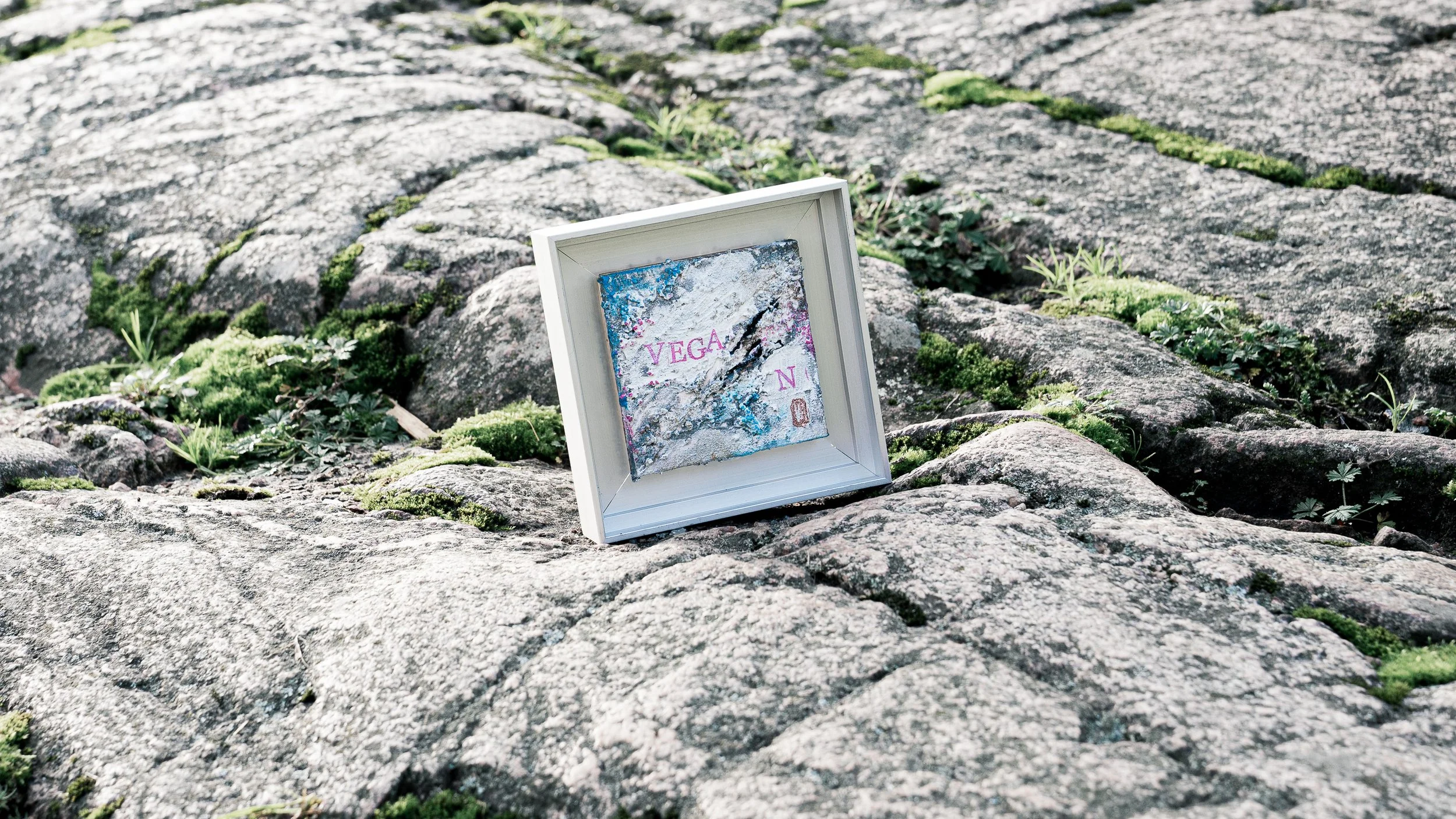
Vegesent – Finnish eco-artist whose minimalist, vegan-value-driven work explores human–animal connection and environmental justice with non-toxic, sustainable materials.
The Role of Community in Plant-Based Artistic Movements
Community plays a vital role in the development and growth of plant-based artistic movements. By fostering connections between artists, audiences, and organizations, communities can create a supportive and collaborative environment that encourages creativity, innovation, and advocacy. This sense of community is particularly important for vegetarian artists, as it allows them to share their values, ideas, and works with others who are passionate about plant-based living and environmental stewardship.
One of the ways that community can support plant-based artistic movements is through the creation of collaborative projects and initiatives. By working together, artists can pool their resources, skills, and ideas to create larger and more impactful works that address important issues and promote positive change. For example, artists might collaborate on a public art installation that explores themes of sustainability and conservation, or they might organize a group exhibition that showcases the diversity and creativity of vegetarian art. These collaborative efforts can amplify the messages and impact of individual artists, creating a stronger and more unified voice for the movement.
Community also plays a crucial role in providing opportunities for education and engagement. By organizing workshops, lectures, and events, communities can create spaces for artists and audiences to learn about plant-based living, sustainability, and the role of art in promoting these values. These educational initiatives can help to raise awareness, inspire new ideas, and foster a deeper understanding of the interconnectedness of art, nature, and ethics. Additionally, community events can provide opportunities for artists to share their work with a wider audience, receive feedback, and build connections with other like-minded individuals.
Finally, community support is essential for the growth and sustainability of plant-based artistic movements. By creating networks of support and advocacy, communities can help artists to navigate the challenges and opportunities of the art world, from securing funding and resources to gaining recognition and visibility. This support can take many forms, from financial assistance and mentorship programs to promotional efforts and collaborative networks. By working together, communities can create a nurturing and empowering environment that allows vegetarian artists to thrive and make a meaningful impact through their work.
Exhibitions and Events Celebrating Vegetarian Art
Exhibitions and events play a crucial role in celebrating and promoting vegetarian art, providing platforms for artists to showcase their work, connect with audiences, and engage with important themes and issues. These events not only highlight the creativity and innovation of plant-based artists but also foster a greater appreciation for the values and principles that underpin their work.
One of the key benefits of exhibitions and events is the opportunity they provide for artists to reach a wider audience. By participating in group shows, solo exhibitions, and art fairs, vegetarian artists can share their work with diverse and engaged audiences, raising awareness of their practice and the themes they explore. These events also provide opportunities for artists to receive feedback, build connections with other artists and art professionals, and gain recognition and visibility within the art world. For audiences, exhibitions and events offer a chance to experience the beauty and diversity of vegetarian art firsthand, fostering a deeper appreciation for the creativity and passion that drives these artists.
In addition to traditional gallery exhibitions, there are also many alternative and innovative ways to celebrate vegetarian art. For example, outdoor installations and public art projects can create immersive and interactive experiences that engage viewers in new and exciting ways. These projects can transform public spaces into vibrant and inspiring environments, inviting people to connect with nature and consider the impact of their lifestyle choices. Similarly, digital platforms and online exhibitions can provide accessible and inclusive opportunities for artists to share their work with a global audience, breaking down barriers and expanding the reach of vegetarian art.
Events such as art festivals, workshops, and panel discussions also play a crucial role in celebrating and promoting vegetarian art. These gatherings provide opportunities for artists, audiences, and organizations to come together, share ideas, and engage with important issues. For example, a vegetarian art festival might feature a range of activities, from live demonstrations and interactive workshops to panel discussions and performances, creating a dynamic and engaging environment that fosters creativity, learning, and advocacy. By bringing people together in this way, events can create a sense of community and shared purpose, inspiring and empowering individuals to make positive changes in their own lives and the world around them.
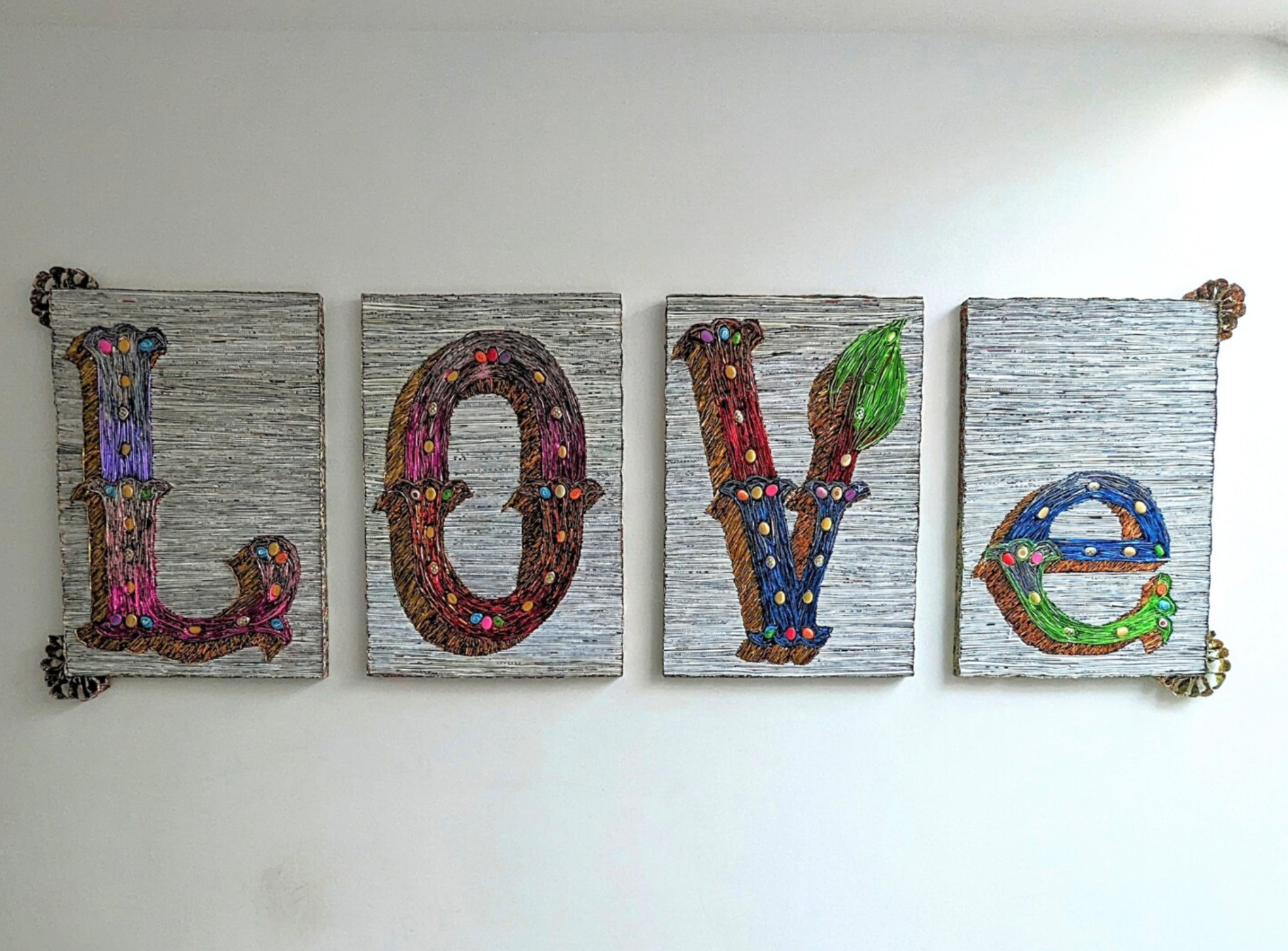
Francesca Busca – UK eco-artivist and vegan mosaic/sculpture artist creating works from waste materials to promote sustainable living and animal care.
Embracing Creativity Through Plant-Based Living
In conclusion, the vibrant world of vegetarian art offers a compelling testament to the power of plant-based living to inspire creativity and foster a deeper connection with the natural world. By embracing the beauty and potential of plant life, artists can create works that celebrate the diversity and vitality of nature, explore important themes and issues, and promote values of sustainability, health, and compassion.
The connection between plant-based living and creativity is evident in the rich history of vegetarianism in art, from the meticulous botanical illustrations of the Renaissance to the innovative and thought-provoking works of contemporary artists. By drawing upon the colors, textures, and forms of the natural world, vegetarian artists can create visually striking and conceptually rich works that engage and inspire audiences. Moreover, the techniques and approaches used by these artists, from traditional botanical illustration to the incorporation of natural materials and digital experimentation, highlight the diverse and dynamic nature of vegetarian art.
Community plays a vital role In supporting and promoting plant-based artistic movements, providing opportunities for collaboration, education, and engagement. Exhibitions and events offer platforms for artists to showcase their work, connect with audiences, and engage with important themes and issues. These gatherings not only highlight the creativity and innovation of vegetarian artists but also foster a greater appreciation for the values and principles that underpin their work.
Ultimately, the vibrant world of vegetarian art invites us to rethink our own creative endeavors and consider the profound relationship between what we eat and how we express ourselves artistically. By embracing plant-based living and the beauty of the natural world, we can find new sources of inspiration, foster a deeper connection with our surroundings, and create works that reflect our values and vision for a more sustainable and compassionate world.

Author: Veronika Kvitko, a Finland-based artist, an advocate for human, animal, and environmental wellbeing, and is the Vice Chairperson of the Helsinki International Artists Association.
🌿 Ready to grow your art career as an eco-curious creative?
Join the training “Green Growth” and learn how to share your unique artistic voice, discover sustainable resources that fit your practice, and connect with a supportive community of like-minded creators.
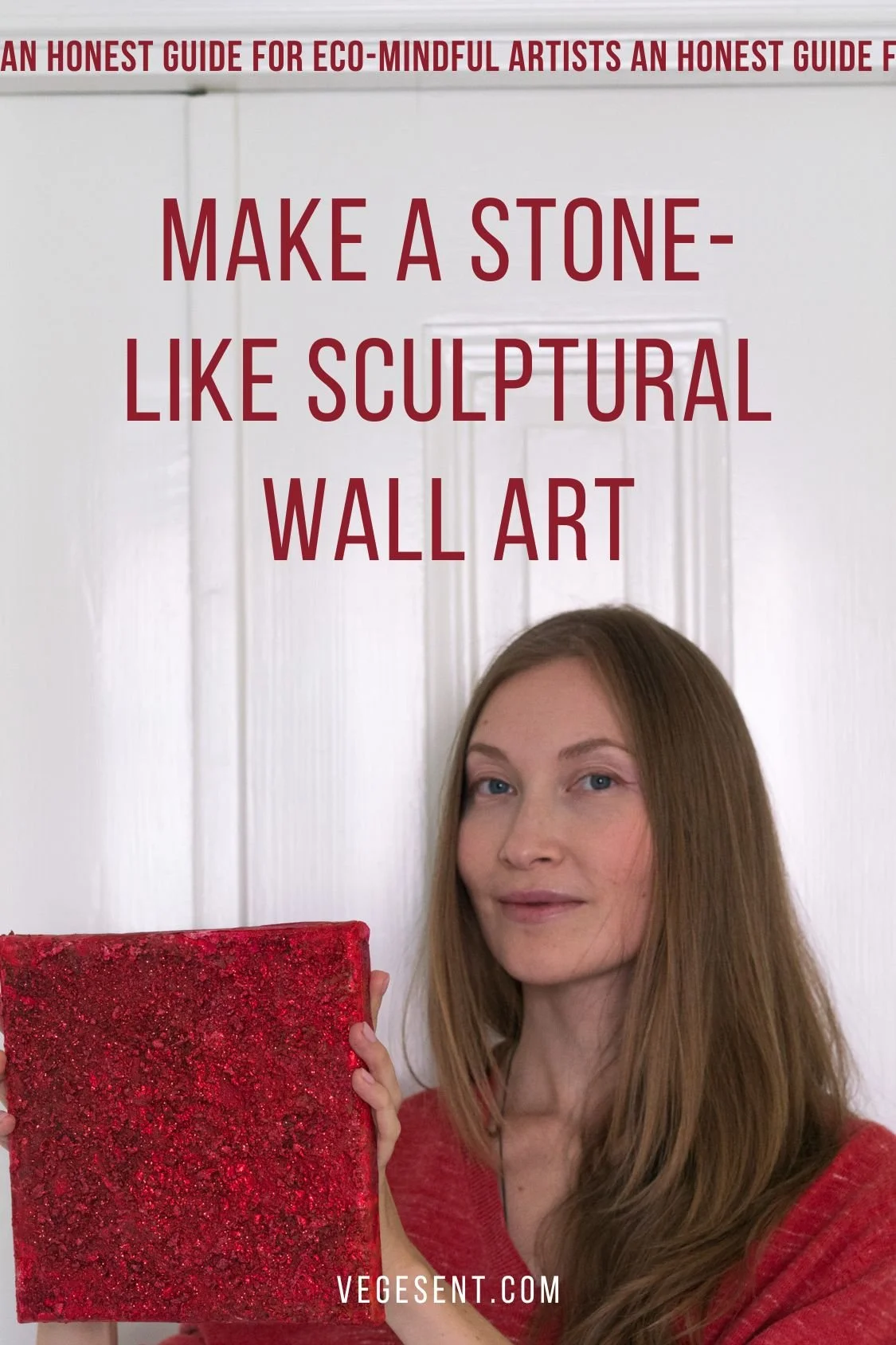

Vegesent is a Helsinki-based conceptual contemporary artist whose research-based practice investigates social invisibility, structures of visibility, and the ethics of perception. Drawing on biopolitics, anthropocentrism, and research into non-human life, the work translates hidden social structures into material form, asking how societies determine what becomes visible, valued, or overlooked.