

As artists, we're passionate about creative expression, but our artistic power comes with environmental responsibility. A key step towards sustainable art is identifying and eliminating hazardous materials from our studios. This article offers guidance on common hazardous art supplies and suggests safer alternatives. By making informed choices about our materials, we can minimize our impact on the planet and create a healthier studio environment for ourselves. Let's explore ways to create beautiful art without compromising our well-being or the health of our planet.
ARTIST SPOTLIGHT: André Peniche (WEBSITE). I am familiar with hazardous waste of art materials in film and photography. This why I am interested in new ways of Developing films, for example with coffee or beer.Hazardous Materials to Avoid
Cadmium-based Pigments
Cadmium, found in many vibrant yellows, oranges, and reds, is a known carcinogen.Alternative: Look for cadmium-free versions of these colors, often made with organic pigments.
Lead-based Paints and Glazes
While less common now, lead can still be found in some ceramic glazes and older paint tubes. Alternative: Use lead-free glazes and paints. Many manufacturers now offer safer options.
Solvent-based Products
Turpentine, mineral spirits, and other petroleum-based solvents release harmful VOCs (Volatile Organic Compounds). Paint thinner, turpentine, toluene, xylene, and alcohols are considered hazardous waste. DO NOT DUMP them down the drain. Follow the instructions for handling hazardous waste.
Paints.
Latex paints should be dried out and placed in regular trash. Water-based paints may be disposed via the regular trash when dried out. Oil paints are hazardous waste. DO NOT DUMP wash water of water-based or oil-based paints down the drain. Alternative: Use water-based mediums or natural alternatives like walnut oil or linseed oil mixed with pigments without solvents. Learn how to clean painting tools - https://www.hsy.fi/en/water-and-sewers/tips-for-water-use/cleaning-a-paintbrush/
Ceramic glaze.
Many ceramic glazes contain metals that are considered hazardous waste. Unused portions of the glazes should be disposed as hazardous waste. Glaze preparation and rinsing should be conducted in the sink specified for this purpose. This sink is equipped with a settling tank to prevent the solids from entering the drain. At least monthly, the settling tank must be opened and emptied. The collected material must be handled as hazardous waste.
Photographic chemicals
generally fit into four categories: fixers, developers, rinses, and specialized chemicals. Standard developers and rinses can be rinsed down the drain during processing. Most fixers contain silver in quantities above the amount allowed for sewer disposal. Fixer wastes must be collected as hazardous waste. Specialized chemicals, such as special acids and bases, should be assumed to be hazardous waste and collected accordingly.
Aerosol Sprays
Spray paints and fixatives often contain harmful propellants and VOCs. Alternative: Use brush-on varnishes or invest in an airbrush system for better control and less waste.
Acids and Bases.
Materials with a pH of less than 2 or more than 12.5 are considered hazardous waste. Do not mix these wastes with the solvent or oil wastes.
Chromium-based Pigments
Chrome yellow and chrome green can be toxic if ingested or inhaled. Alternative:Many safer yellow and green pigments are available, often based on iron oxides or organic compounds.
Manganese
Found in some browns and violets, manganese can be neurotoxic with long-term exposure.Alternative: Iron oxide browns or organic violet pigments.
Cobalt
While beautiful, cobalt blue and other cobalt-based pigments is harmful. Alternative:Phthalocyanine blue or ultramarine blue are safer options.
Handling Hazardous Waste
Materials that are to be disposed of as hazardous must be placed in sealable containers. Containers should be filled, leaving a headspace for expansion of the contents. Often the original container is perfectly acceptable.
Containers must be kept closed except during actual transfers. Do not leave a hazardous waste container with a funnel in it.
Waste containers must be labeled as hazardous waste as soon as the material is first put into the container.
If you are not sure how to handle the waste, check here- https://www.hsy.fi/en/waste-and-recycling/waste-guide/ Type the name of the waste item or material as your search term, and the guide will tell you what type of waste it is and where you can deliver it. Use general terms, e.g. not cyanotype, but photographic chemicals.
Procedure
Place the waste materials in an appropriate waste container.
Seal the container. Do not leave a funnel in an open container.
Ensure the container has a completed hazardous waste sticker on it or write the words "Hazardous Waste (type of material)" on the container and ensure that the contents are clear.
Find nearest recycling point HERE-https://www.kierratys.info/
Deliver container sealed and labeled.

ARTIST SPOTLIGHT: Tiiu Hyyryläinen (WEBSITE). I work with the chemicals used in film development. Proper handling and disposal are essential.
Making the Transition
Transitioning to safer materials doesn't mean compromising on quality or artistic expression. Many eco-friendly alternatives perform just as well as their toxic counterparts. Here are some steps to help you make the switch:
Audit Your Studio: Go through your materials and identify any potentially hazardous items.
Research Alternatives: For each hazardous material, find a safer substitute. Many art supply companies now offer eco-friendly lines.
Gradual Replacement: As you use up your current supplies, replace them with safer alternatives. This approach is both economically and environmentally sound.
Proper Disposal: Don't pour old materials down the drain. Use Helsinki's hazardous waste disposal services to safely get rid of toxic materials.
Educate Yourself: Stay informed about new sustainable materials and techniques. The field of eco-friendly art supplies is constantly evolving.

Benefits of Going Green
Switching to safer materials isn't just good for the environment—it's beneficial for you too:
Health: Reduce your exposure to harmful substances, potentially improving your long-term health.
Safety: Create a safer studio environment, especially important if you work from home or teach others.
Marketing: Many art buyers are increasingly eco-conscious. Using sustainable materials can be a unique selling point.
Innovation: Exploring new materials can lead to exciting new techniques and artistic discoveries.
Community Impact: By choosing sustainable practices, you set an example for other artists and contribute to a cleaner Helsinki.
Helsinki's Resources
Take advantage of Helsinki's commitment to sustainability:
The Helsinki Environmental Services (HSY) offers guidance on proper disposal of hazardous materials.
Many local art supply stores now stock eco-friendly alternatives. Don't hesitate to ask for advice.
Consider joining or forming a group within the Helsinki International Artists Association focused on sustainable practices.
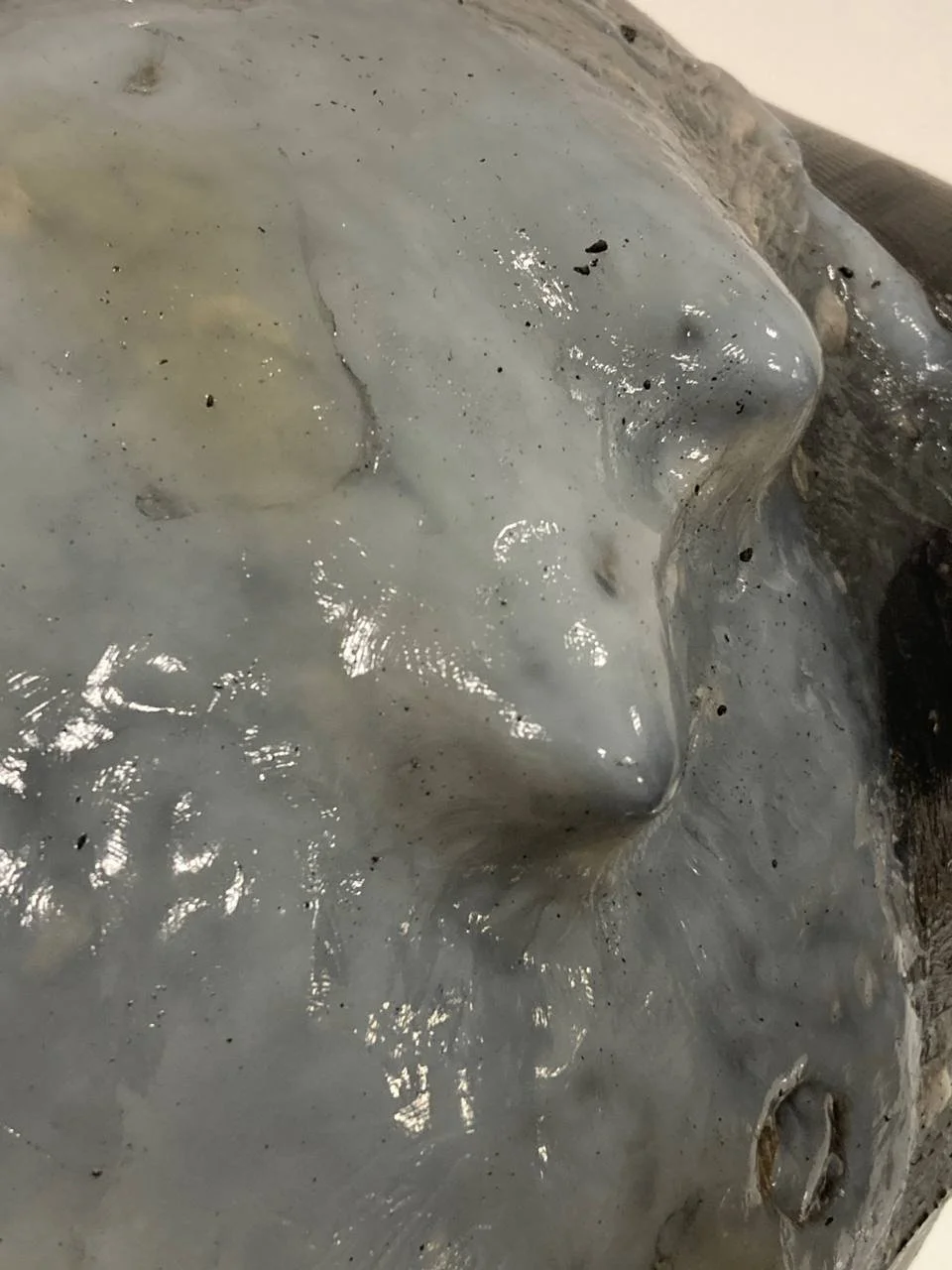
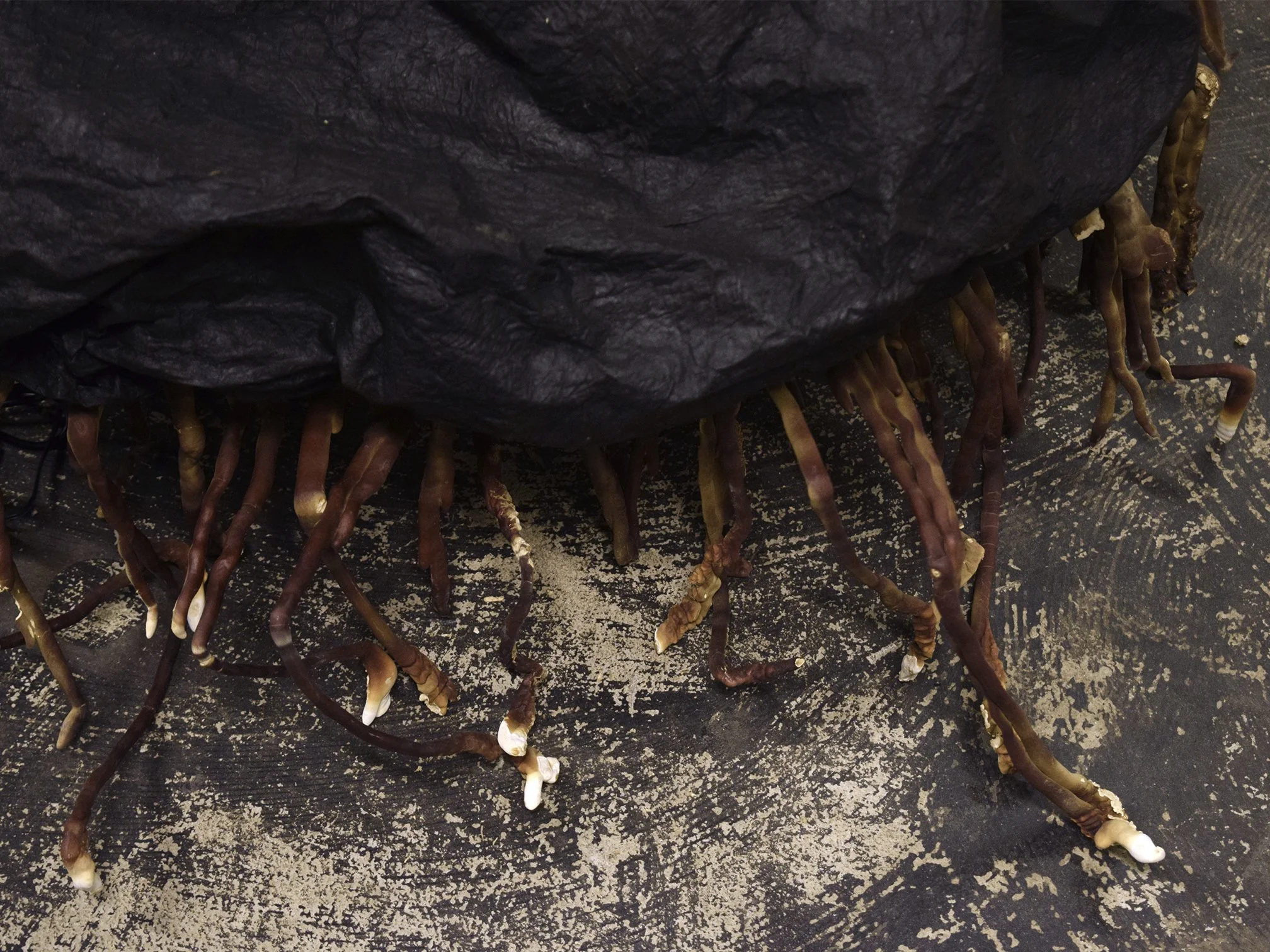
ARTIST SPOTLIGHT: Yese Astarloa (WEBSITE). Featuring "cats eats bats infinite iterartions imaginaries of the future." natural latex. 3d printing with PLA-eatervapor."my artistic practice seeks to problematize these relationships within the technical and technological context we inhabit. I am interested in gaining more information about sustainable materials as well as research spaces where I can develop projects aligned with this approach. I am currently working with Scoby and mainly reused or second-hand electronic devices. For some time now, I have been trying to work increasingly with reused materials and objects, second-hand items, and also with plants."I am familiar with some hazardous waste of art materials, such as paints that contain heavy metals and aerosols, as well as chemicals for etching. This is important for my practice, and as much as possible, I try to avoid using them. If I do need to use them, I try to implement strategies to reduce, reuse, and recycle them. And if disposal is necessary, I ensure it is done in an appropriate facility.”

As artists, we have the power to shape culture and influence perspectives. By choosing to eliminate hazardous materials from our practice, we're not just creating safer working environments for ourselves—we're contributing to a more sustainable future for all. Remember, every small change matters. Your shift towards safer materials ripples out, influencing fellow artists, students, and art enthusiasts.
The road to fully sustainable art creation is a journey, and eliminating hazardous materials is a crucial first step. As members of the Helsinki International Artists Association, you have the opportunity to lead by example. Embrace this challenge, and let your art not only inspire through its beauty but also through its harmony with our environment. Your palette may change, but your creativity knows no bounds. Here's to cleaner, greener, and equally vibrant art in Helsinki and beyond!

🌿 Ready to grow your art career as an eco-curious creative? Join the training “Green Growth” and learn how to share your unique artistic voice, discover sustainable resources that fit your practice, and connect with a supportive community of like-minded creators.

RELATED ARTICLES
RELATED ARTICLES

EDUCATE THROUGH ART (HIAA)
As you embark on your journey as an artist-educator, know that your work is contributing to a larger tapestry of change, weaving together creativity, education, and sustainability.
Let your art be the bridge that connects hearts and minds to the pressing environmental issues of our time. Through your creative expression, you have the power to nurture a new generation of environmentally conscious citizens.

environmental impact of art studios (HIAA)
By minimizing the environmental impact of our studios, we're not just creating art – we're crafting a sustainable legacy. We're showing that artistic expression and environmental responsibility can go hand in hand, a message that resonates deeply with Helsinki's values.

PARTNER WITH SUSTAINABILITY-CONNECTED ORGANIZATIONS AND BUSINESSES (HIAA)
As artists, you have a unique power to shape perceptions, evoke emotions, and inspire action. By partnering with sustainability-focused organizations and businesses, you're not just creating art – you're crafting a narrative for a more sustainable future. Your creations can be the bridge that connects environmental science with public understanding and action.
