
Veganism Meets Creativity: Exploring the Inspiring World of Vegan Art
10 minutes read
By an Artist Who Lives With Passion
Veganism is more than a lifestyle; it's a canvas for creativity that inspires artists worldwide. In the vibrant realm of vegan art, creativity flourishes alongside compassion, blending innovative expressions with a heartfelt message. From stunning plant-based sculptures to thought-provoking paintings that challenge societal norms, the vegan art movement invites us to reimagine our relationship with the natural world. Each piece serves as a passionate reminder of the beauty of a cruelty-free existence, sparking conversations and igniting change. In this article, we’ll journey through the inspiring world of vegan art, exploring how artists use their talents to celebrate ethical living and motivate others to embrace sustainability. Join us as we delve into the unique intersections of artistry and activism, revealing how these creative minds transform ideas into impactful visual narratives. Prepare to be inspired by a community where passion meets purpose, and where art becomes a powerful vehicle for promoting a kinder world.
The Intersection of Veganism and Creativity
Veganism and creativity intersect in a harmonious blend that brings forth a new dimension of artistic expression. At this junction, artists find themselves driven by a profound respect for life and a desire to reflect this ethos in their work. Vegan art is not just an aesthetic pursuit but a deeply ethical one; it challenges the conventional art world by eschewing animal products such as traditional paints, brushes, and canvases made from animal derivatives. Instead, it embraces cruelty-free materials, thus opening up a realm of possibilities that push the boundaries of creativity.
This intersection is fueled by a community of artists who are not only committed to their craft but also to their core principles of nonviolence and sustainability. These artists see their work as a form of activism, using their talents to communicate messages about compassion, environmental stewardship, and ethical living. By doing so, they hope to influence public perception and inspire change, encouraging others to consider the impact of their choices on animals and the planet. Their art becomes a visual manifesto, a powerful tool for advocacy that transcends language and cultural barriers.
Moreover, the convergence of veganism and creativity fosters innovation, as artists experiment with alternative materials and techniques. This exploration often leads to groundbreaking methods and unique artworks that stand out in the art world. For instance, the use of plant-based dyes, recycled materials, and digital media are just a few examples of how vegan artists are redefining traditional artistic practices. Through their inventive approaches, they not only create visually stunning pieces but also promote sustainable practices that align with their values. This blend of creativity and ethics not only enriches the art but also offers a compelling narrative that resonates with a growing audience seeking meaningful and impactful art.
Prominent Vegan Artists and Their Work
The vegan art movement boasts a diverse array of talented artists who have made significant contributions to the field. Among them is Dana Ellyn, a painter known for her provocative and socially conscious works. Ellyn's art often centers on themes of animal rights and environmentalism, using bold colors and striking imagery to convey her messages. Her paintings challenge viewers to confront uncomfortable truths about animal exploitation and consumer culture, sparking important conversations and encouraging introspection.
Another notable figure in the vegan art scene is Sue Coe, a British artist whose work has been widely acclaimed for its powerful critique of the meat industry. Coe's graphic and often disturbing illustrations depict the harsh realities of factory farming, slaughterhouses, and animal testing. Through her art, she aims to raise awareness about the suffering of animals and advocate for a more compassionate world. Coe's dedication to her cause is evident in the visceral impact of her work, which compels viewers to reevaluate their attitudes towards animals.
In the realm of sculpture, artist and activist Luis Jiménez has made a name for himself with his innovative use of plant-based materials. Jiménez's sculptures, often inspired by nature and animal forms, are crafted from sustainable resources such as bamboo, hemp, and recycled paper. His commitment to veganism extends beyond the content of his work to the very materials he uses, making his art a holistic expression of his values. Jiménez's pieces not only highlight the beauty of the natural world but also serve as a testament to the possibilities of eco-friendly art practices.
These artists, along with many others in the vegan art community, exemplify the passion and creativity that drive this movement. Their work serves as a powerful reminder of the impact that art can have in advocating for ethical living and inspiring change. By exploring their unique approaches and contributions, we gain a deeper understanding of how veganism and creativity intersect to produce thought-provoking and impactful art.

The Role of Vegan Art in Animal Advocacy
Vegan art plays a crucial role in animal advocacy by bringing attention to issues of animal rights and welfare through compelling visual narratives. Artists in this movement use their work to highlight the injustices faced by animals, from factory farming and animal testing to habitat destruction and wildlife exploitation. By depicting these issues in a powerful and often emotional way, they aim to evoke empathy and inspire action among viewers.
One of the primary ways vegan art contributes to animal advocacy is by educating the public. Many people are unaware of the extent of cruelty involved in industries that exploit animals, and art can serve as a powerful educational tool. Through paintings, sculptures, and other mediums, artists can convey complex issues in a way that is accessible and engaging. This visual storytelling can be more impactful than words alone, as it allows viewers to connect with the subject matter on a deeper emotional level.
In addition to raising awareness, vegan art also serves as a form of protest against animal exploitation. Artists use their work to challenge societal norms and question the ethical implications of our treatment of animals. By presenting alternative perspectives and highlighting the beauty of a cruelty-free existence, they encourage viewers to reconsider their own choices and behaviors. This form of activism can be incredibly effective, as it taps into the power of art to influence cultural attitudes and inspire change.
Furthermore, vegan art provides a platform for marginalized voices within the animal rights movement. Many artists use their work to amplify the stories of animals and advocate for their rights in a way that is both compelling and respectful. This representation is important for fostering a more inclusive and empathetic society, where the rights and well-being of all living beings are valued. Through their art, vegan artists contribute to a growing movement that seeks to create a more just and compassionate world for animals.
Vegan Art in Different Mediums: Painting, Sculpture, and More
The vegan art movement is incredibly diverse, encompassing a wide range of mediums and styles. From traditional painting and sculpture to innovative digital art and installations, vegan artists are pushing the boundaries of what is possible while staying true to their ethical principles. This diversity not only enriches the art world but also provides multiple avenues for artists to express their creativity and advocate for their values.
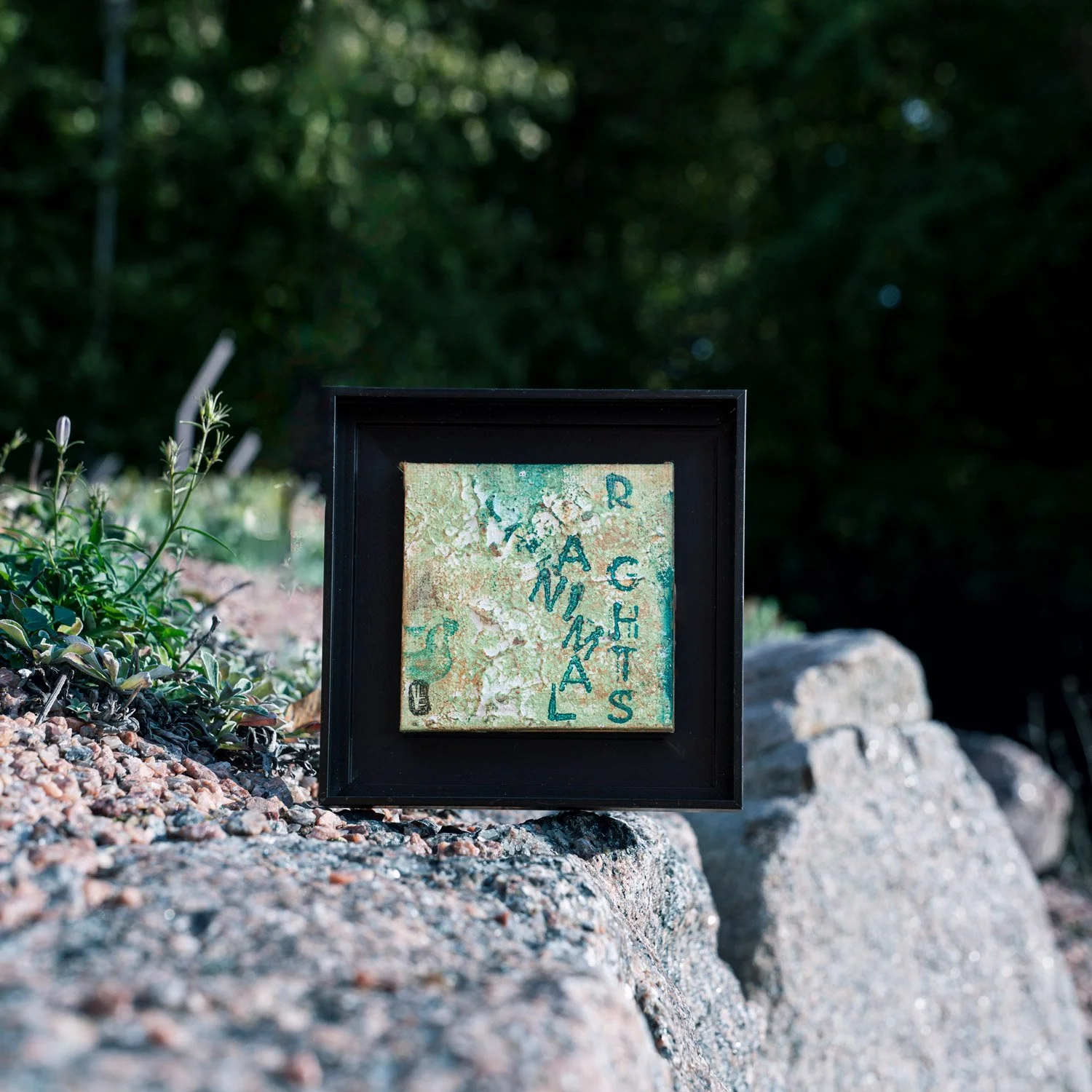
In painting, vegan artists often use plant-based and cruelty-free materials to create their works. This can include natural pigments, non-toxic paints, and vegan-friendly canvases. The subject matter of these paintings varies widely, from realistic depictions of animals and nature to abstract interpretations of ethical themes. Regardless of the style, these paintings often carry a strong message about compassion, sustainability, and the interconnectedness of all life.
Sculpture is another medium where vegan artists are making significant strides. Many sculptors in the vegan art movement are committed to using sustainable and cruelty-free materials, such as clay, recycled metal, and biodegradable substances. These artists create stunning three-dimensional works that often draw inspiration from the natural world and animal forms. By using materials that align with their values, they demonstrate that it is possible to create beautiful and impactful art without causing harm to animals or the environment.
In addition to traditional mediums, vegan artists are also exploring new and innovative forms of expression. Digital art, for example, has become increasingly popular in the vegan art community. This medium allows artists to create intricate and detailed works without the need for physical materials, making it an eco-friendly and versatile option. Digital art can also be easily shared and disseminated online, reaching a wider audience and amplifying the impact of the artist's message.
Installation art is another exciting area of exploration for vegan artists. These large-scale works often involve immersive and interactive elements, inviting viewers to engage with the art in a more personal and meaningful way. Installations can be particularly effective for conveying complex ethical themes, as they create a multi-sensory experience that leaves a lasting impression. Whether through painting, sculpture, digital art, or installations, vegan artists are finding innovative ways to express their creativity and advocate for a more compassionate world.
How Veganism Influences Artistic Themes and Messages
Veganism profoundly influences the themes and messages conveyed in vegan art, as artists seek to reflect their ethical beliefs through their work. Central to this artistic expression is the concept of compassion, which permeates much of the vegan art produced today. Artists often explore themes of empathy, kindness, and the intrinsic value of all living beings, challenging viewers to consider the impact of their actions on animals and the environment.
One prominent theme in vegan art is the interconnectedness of life. Many artists use their work to illustrate the deep connections between humans, animals, and the natural world. This perspective encourages a holistic view of life, where the well-being of one species is intrinsically linked to the well-being of others. By highlighting these connections, vegan artists promote a sense of shared responsibility and advocate for more sustainable and ethical lifestyles.
Another important theme in vegan art is liberation and freedom. Artists often depict animals in natural and liberated states, contrasting these images with scenes of captivity and exploitation. These juxtapositions serve to critique the systems that oppress animals and advocate for their rights to live free from harm and exploitation. Through their art, these creators aim to inspire a vision of a world where all beings are treated with respect and dignity.
Environmental sustainability is also a key message in vegan art. Many artists use their work to draw attention to the environmental impact of animal agriculture and other exploitative industries. By depicting the beauty and fragility of the natural world, they emphasize the importance of protecting our planet and adopting more sustainable practices. This message is often conveyed through the use of eco-friendly materials and techniques, further reinforcing the connection between veganism and environmental stewardship.
Ultimately, the themes and messages in vegan art reflect a deep commitment to creating a more compassionate and sustainable world. By exploring these themes through their work, vegan artists challenge viewers to reconsider their own beliefs and behaviors. Their art serves as a powerful medium for advocacy, inspiring change and fostering a greater sense of empathy and responsibility towards all living beings.
The Rise of Vegan Art Exhibitions and Events
As the vegan art movement continues to grow, so too does the number of exhibitions and events dedicated to showcasing this unique form of artistic expression. These gatherings provide a platform for vegan artists to share their work, connect with like-minded individuals, and raise awareness about the ethical and environmental issues that inspire their art. The rise of vegan art exhibitions and events reflects a broader cultural shift towards more conscious and compassionate living.
One notable example of this trend is the annual Vegan Art Show, which features a diverse array of works from artists around the world. This event highlights the creativity and innovation of the vegan art community, offering a space for artists to display their paintings, sculptures, digital art, and installations. The Vegan Art Show not only celebrates the talent of these artists but also serves as a powerful advocacy tool, encouraging attendees to consider the ethical implications of their choices and the impact of their actions on animals and the planet.
In addition to dedicated vegan art shows, many mainstream art galleries and museums are beginning to include vegan art in their exhibitions. This inclusion signals a growing recognition of the importance of ethical considerations in the art world and a willingness to explore new and diverse perspectives. By featuring vegan art alongside more traditional works, these institutions help to elevate the visibility of the movement and introduce its messages to a wider audience.
Vegan art events also extend beyond the confines of galleries and museums, taking place in a variety of settings such as festivals, pop-up shows, and community centers. These events often incorporate interactive and educational elements, such as workshops, panel discussions, and live demonstrations. This approach allows for a more engaging and immersive experience, fostering a deeper connection between the artists and their audience. By creating spaces where art and activism intersect, these events play a crucial role in advancing the goals of the vegan art movement.
The rise of vegan art exhibitions and events is a testament to the growing demand for art that reflects ethical and sustainable values. These gatherings not only provide a platform for artists to showcase their work but also serve as a catalyst for change, inspiring attendees to think more critically about their own choices and actions. As the movement continues to gain momentum, we can expect to see even more opportunities for vegan artists to share their vision and contribute to a more compassionate world.
Tips for Creating Your Own Vegan Art
Creating vegan art is a rewarding and impactful way to express your creativity while staying true to your ethical values. Whether you are an experienced artist or just starting out, there are several tips and techniques that can help you create beautiful and meaningful works of art without compromising your commitment to veganism.
One of the first steps in creating vegan art is to choose cruelty-free and sustainable materials. This can include plant-based paints, natural dyes, and non-toxic adhesives. Many art supply companies now offer vegan-friendly options, making it easier than ever to find materials that align with your values. Additionally, you can consider using recycled or upcycled materials in your work, which not only reduces waste but also adds a unique and eco-friendly element to your art.
Another important aspect of creating vegan art is to incorporate ethical themes into your work. This can involve exploring subjects such as animal rights, environmental sustainability, and compassion. By using your art to convey these messages, you can raise awareness and inspire others to consider the impact of their choices. Think about how you can use symbolism, imagery, and composition to communicate your ideas effectively and evoke an emotional response from your audience.
Experimenting with different mediums and techniques can also enhance your vegan art practice. For example, digital art is a versatile and eco-friendly option that allows you to create intricate and detailed works without the need for physical materials. You can also explore mixed media, combining various elements such as photography, collage, and painting to create unique and dynamic pieces. Don't be afraid to push the boundaries of traditional art forms and try new approaches that reflect your creativity and values.
Finally, consider how you can share your vegan art with others. This can include participating in exhibitions, selling your work online, or even hosting your own pop-up shows. Social media and online platforms are also powerful tools for reaching a wider audience and connecting with other vegan artists. By sharing your work and engaging with the community, you can amplify your message and contribute to the growing movement of vegan art.
Creating vegan art is not only a fulfilling creative pursuit but also a powerful way to advocate for a more compassionate and sustainable world. By choosing ethical materials, exploring meaningful themes, experimenting with different techniques, and sharing your work with others, you can make a positive impact through your art. Embrace the challenge and let your creativity flourish as you embark on your journey as a vegan artist.
Exploring Vegan Art Online: Platforms and Communities
The digital age has made it easier than ever for vegan artists to connect, share their work, and build supportive communities online. There are numerous platforms and online spaces dedicated to vegan art, offering valuable resources, inspiration, and opportunities for collaboration. Whether you are looking to showcase your work, discover new artists, or engage in meaningful discussions, these online communities provide a vibrant and inclusive environment for vegan artists.
One of the most popular platforms for sharing vegan art is Instagram. With its visually-driven format, Instagram allows artists to easily share their work and reach a global audience. Many vegan artists use hashtags such as veganart, crueltyfreeart, and sustainableart to connect with like-minded individuals and increase the visibility of their work. In addition to sharing images of their art, artists can use Instagram to engage with their audience through stories, live videos, and interactive posts.
Another valuable online resource for vegan artists is Etsy, an e-commerce platform that specializes in handmade and unique items. Many vegan artists sell their work on Etsy, offering a wide range of products from paintings and prints to sculptures and jewelry. By supporting vegan artists on Etsy, consumers can purchase beautiful and ethically-made art while also contributing to the growth of the vegan art community. Etsy also provides artists with tools and resources to help them manage their shops and reach new customers.
There are also several dedicated online communities and forums where vegan artists can connect and share their experiences. Websites such as DeviantArt and ArtStation feature groups and forums specifically for vegan and eco-friendly art, providing a space for artists to share their work, seek feedback, and collaborate on projects. These communities often host challenges, contests, and events that encourage creativity and foster a sense of camaraderie among members.
In addition to social media and e-commerce platforms, there are numerous blogs and websites that focus on vegan art and culture. These sites often feature interviews with artists, gallery reviews, and articles on various aspects of vegan art. Some notable examples include The Vegan Art Collective and Vegan Artists Online, both of which offer a wealth of information and inspiration for artists and enthusiasts alike. By exploring these online resources, vegan artists can stay informed about the latest trends and developments in the movement and find new opportunities to share their work.
The online world offers a rich and diverse landscape for vegan artists to explore and connect. By leveraging the power of social media, e-commerce platforms, online communities, and dedicated websites, artists can expand their reach, build supportive networks, and contribute to the growing movement of vegan art. Whether you are an artist or an admirer, these online spaces provide a valuable platform for celebrating creativity and promoting a more compassionate and sustainable world.
The Future of Vegan Art in a Changing World
As we look to the future, the vegan art movement is poised for continued growth and evolution. With increasing awareness about animal rights, environmental sustainability, and ethical living, there is a growing demand for art that reflects these values. Vegan artists are uniquely positioned to meet this demand, using their creativity and passion to inspire change and promote a more compassionate world.
One of the key factors driving the future of vegan art is the continued development of sustainable and cruelty-free materials. Advances in technology and innovation are making it easier for artists to find and use ethical materials in their work. This not only aligns with the principles of veganism but also opens up new possibilities for artistic expression. As more artists adopt these practices, we can expect to see a wider variety of vegan art that pushes the boundaries of creativity and challenges traditional norms.
Another important aspect of the future of vegan art is the growing recognition and support from mainstream art institutions. As galleries, museums, and art events increasingly feature vegan art, the movement gains greater visibility and legitimacy. This inclusion helps to elevate the work of vegan artists and introduces their messages to a broader audience. By bridging the gap between niche and mainstream spaces, vegan art can reach more people and have a greater impact on cultural attitudes and behaviors.
The role of digital platforms and online communities will also continue to shape the future of vegan art. These spaces provide invaluable opportunities for artists to connect, share their work, and build supportive networks. As technology continues to evolve, we can anticipate even more innovative ways for artists to collaborate and engage with their audience. Virtual reality, augmented reality, and other emerging technologies offer exciting potential for creating immersive and interactive art experiences that convey powerful ethical messages.
Ultimately, the future of vegan art is bright and full of potential. As more artists embrace this movement and use their talents to advocate for a more compassionate and sustainable world, the impact of vegan art will only continue to grow. By celebrating creativity, promoting ethical living, and inspiring change, vegan artists are helping to shape a better future for all living beings. As we move forward, let us support and uplift these artists, recognizing the vital role they play in creating a kinder and more just world.
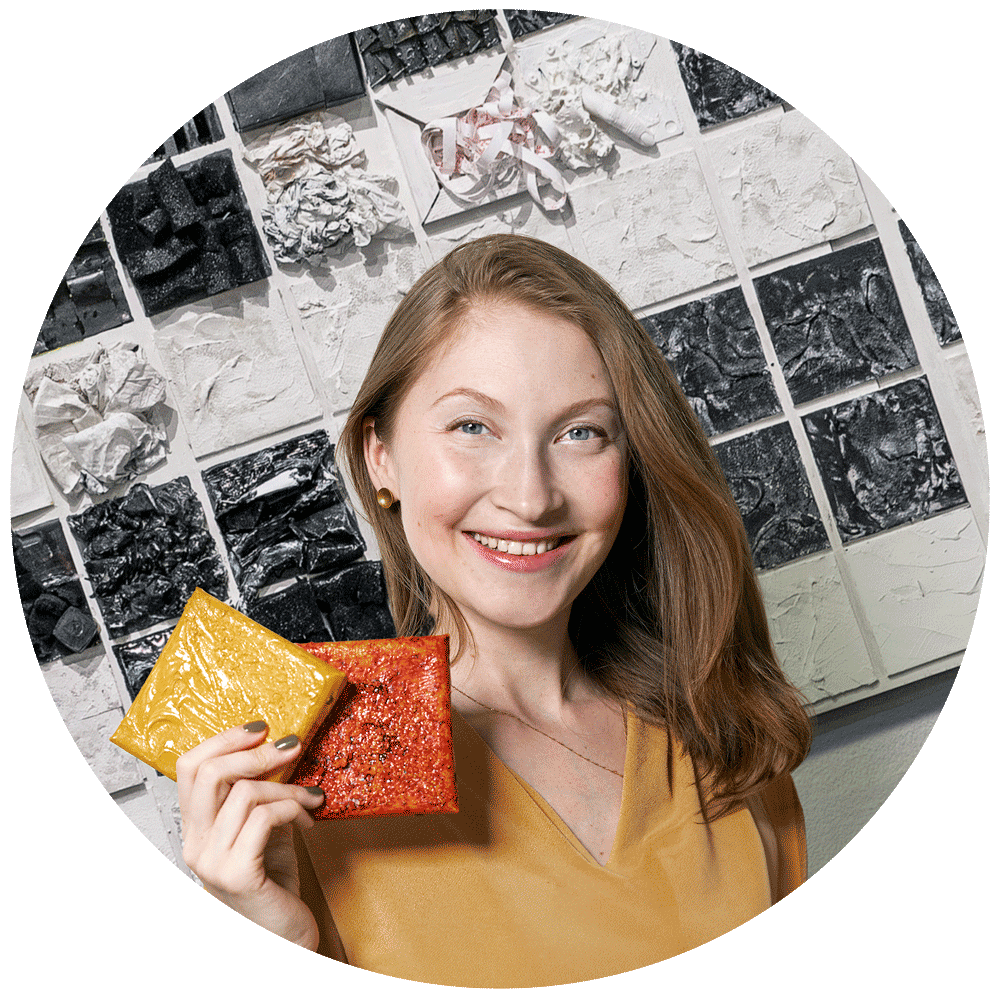
Author: Veronika Kvitko, a Finland-based artist and an advocate for human, animal, and environmental wellbeing. Vice Chairperson of the Helsinki International Artists Association.
Follow Veronika on social media and be part of the discussion on responsible art choices.


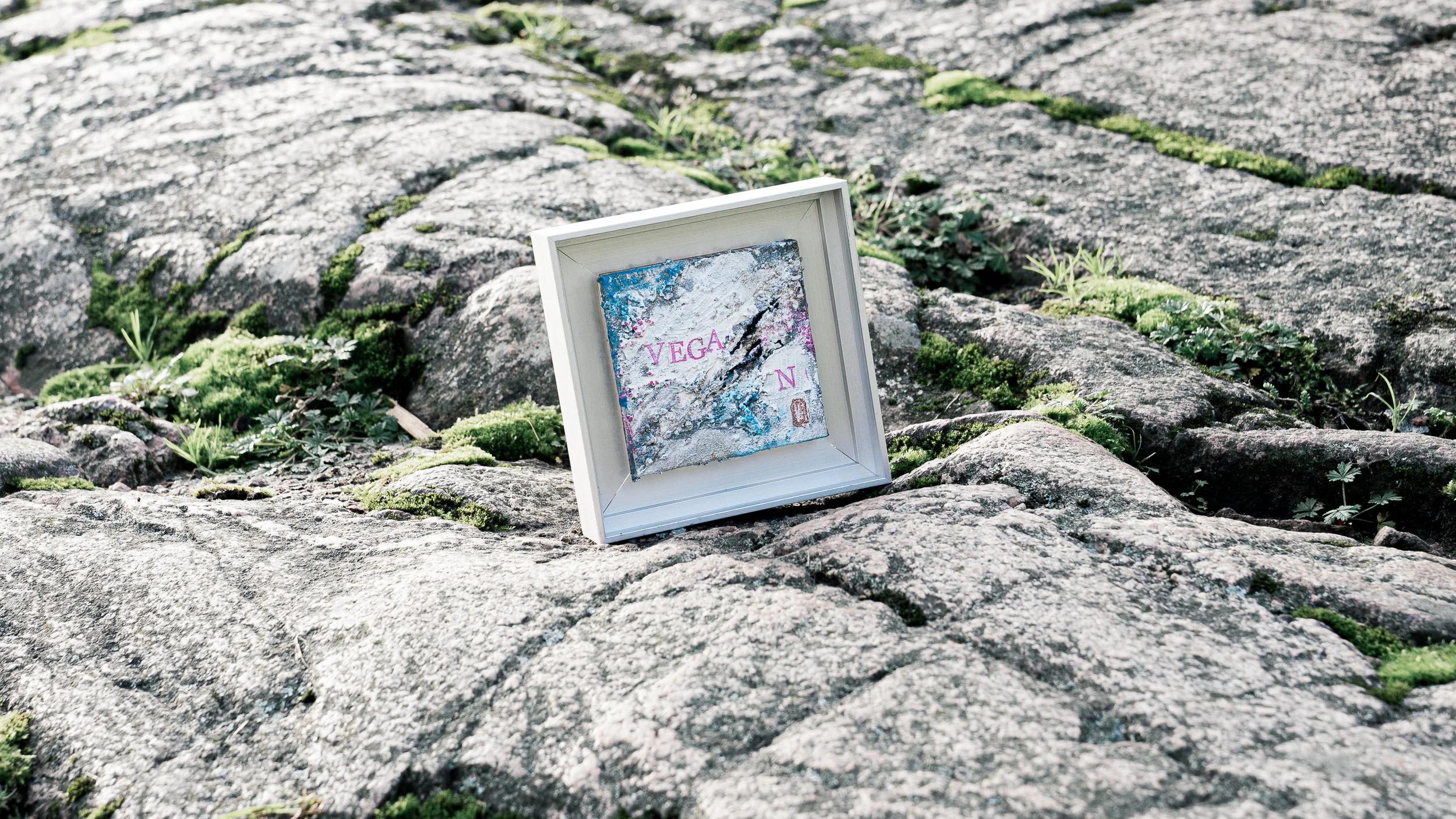
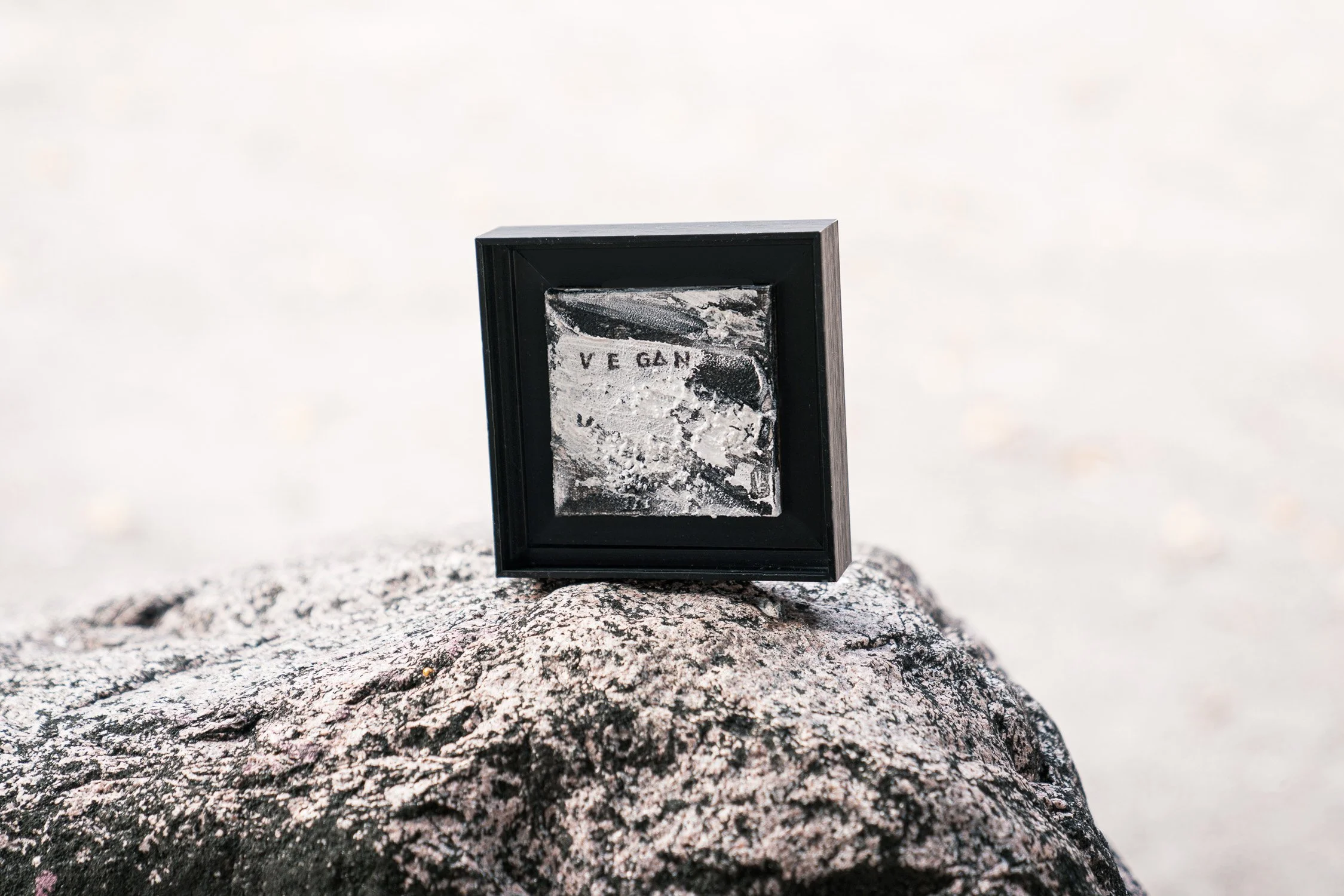
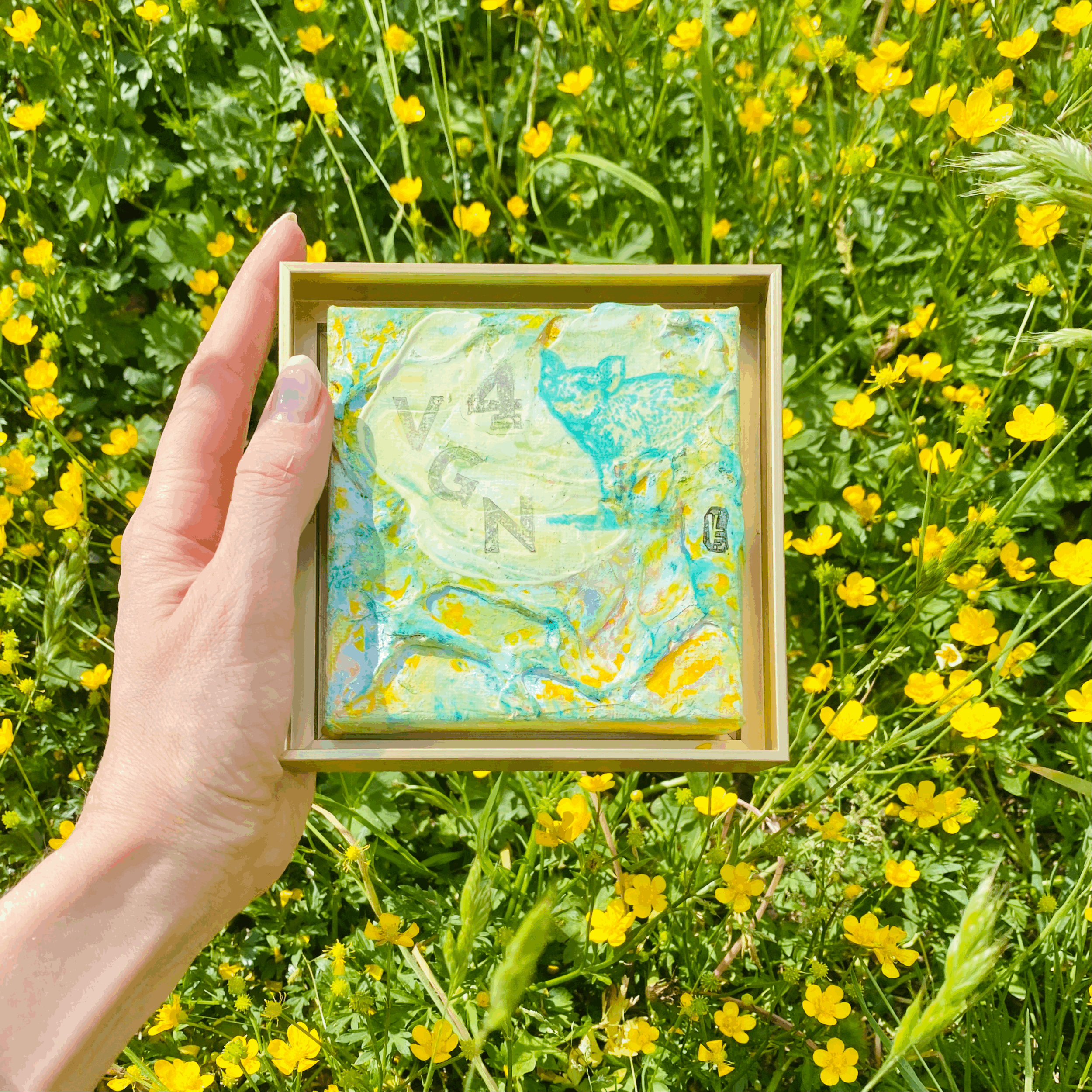
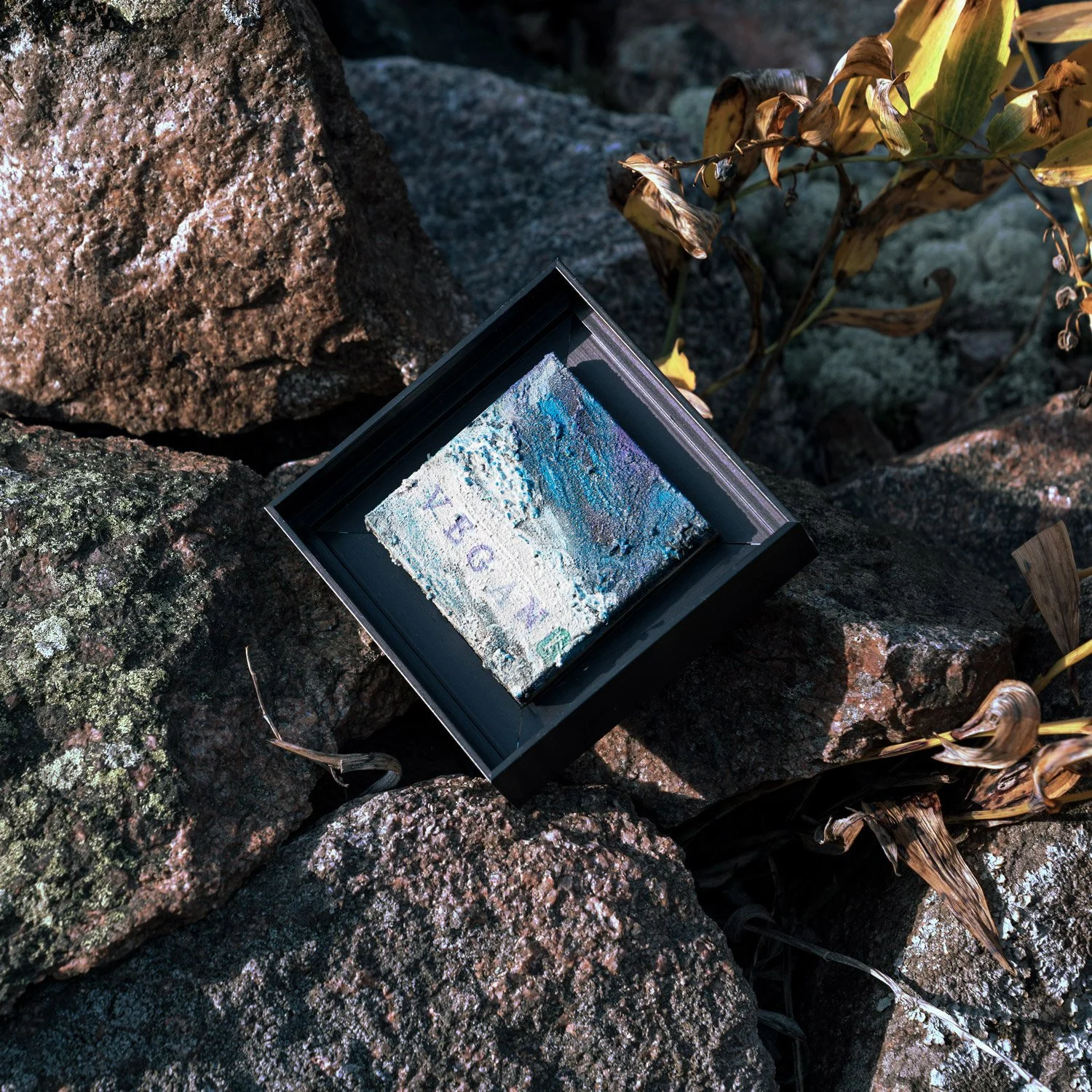
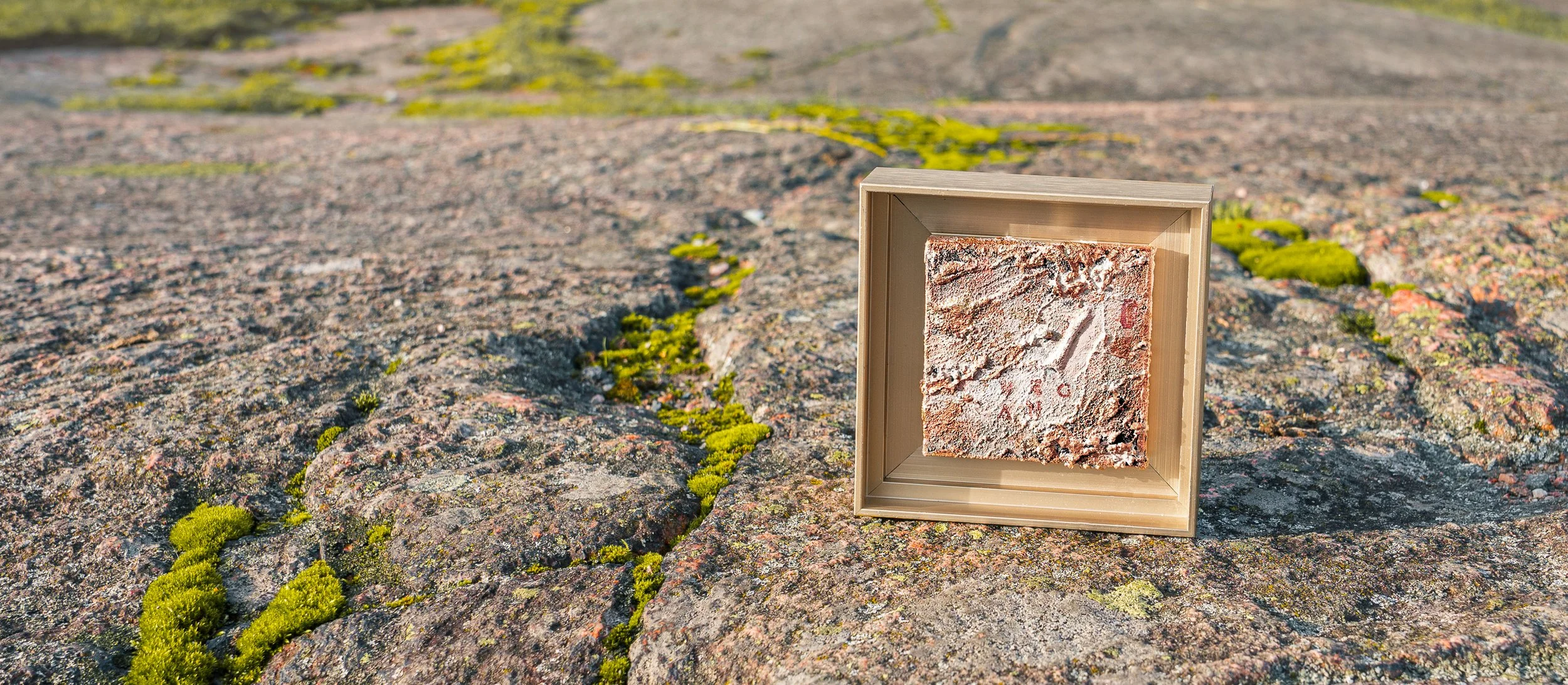
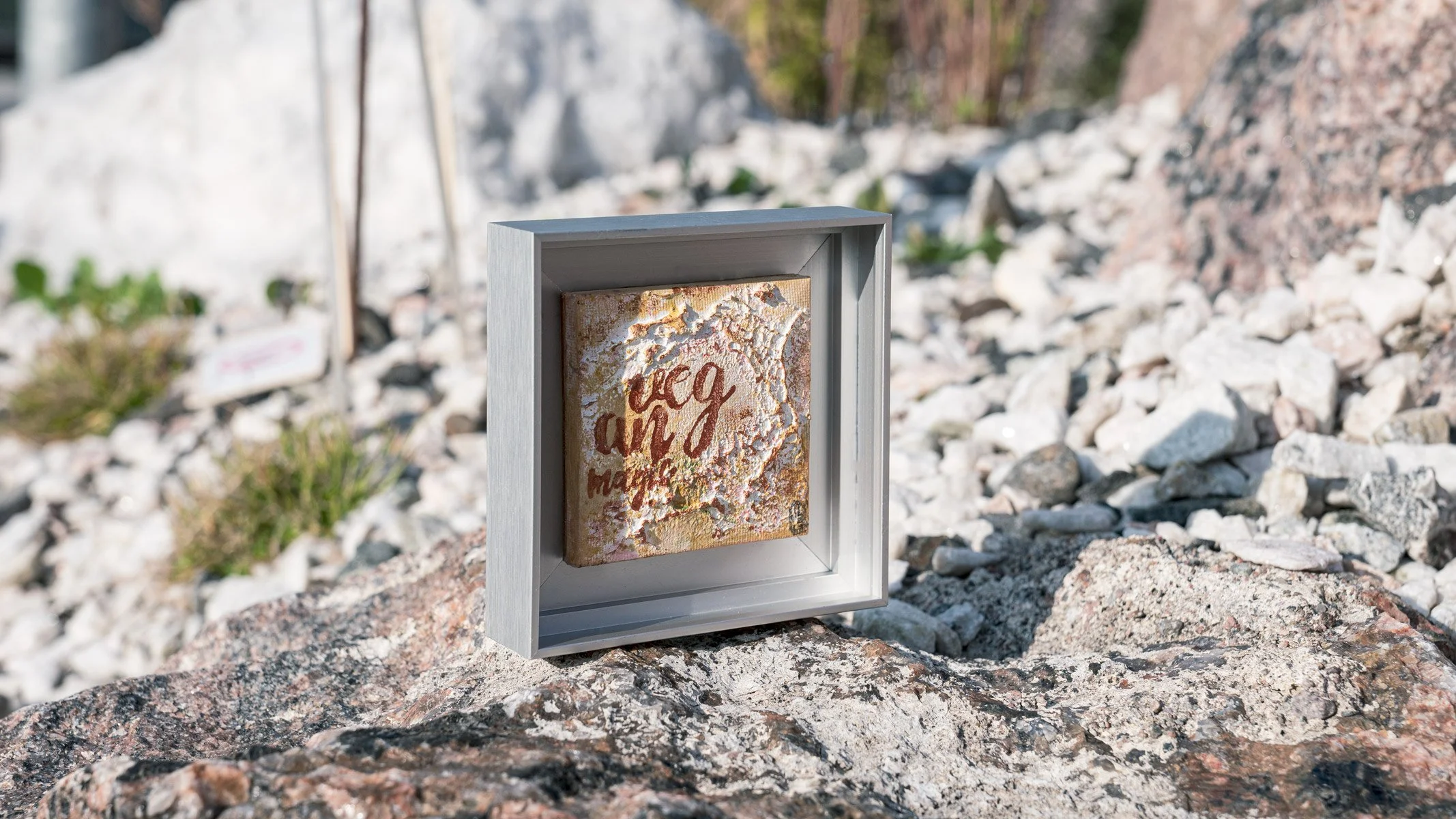
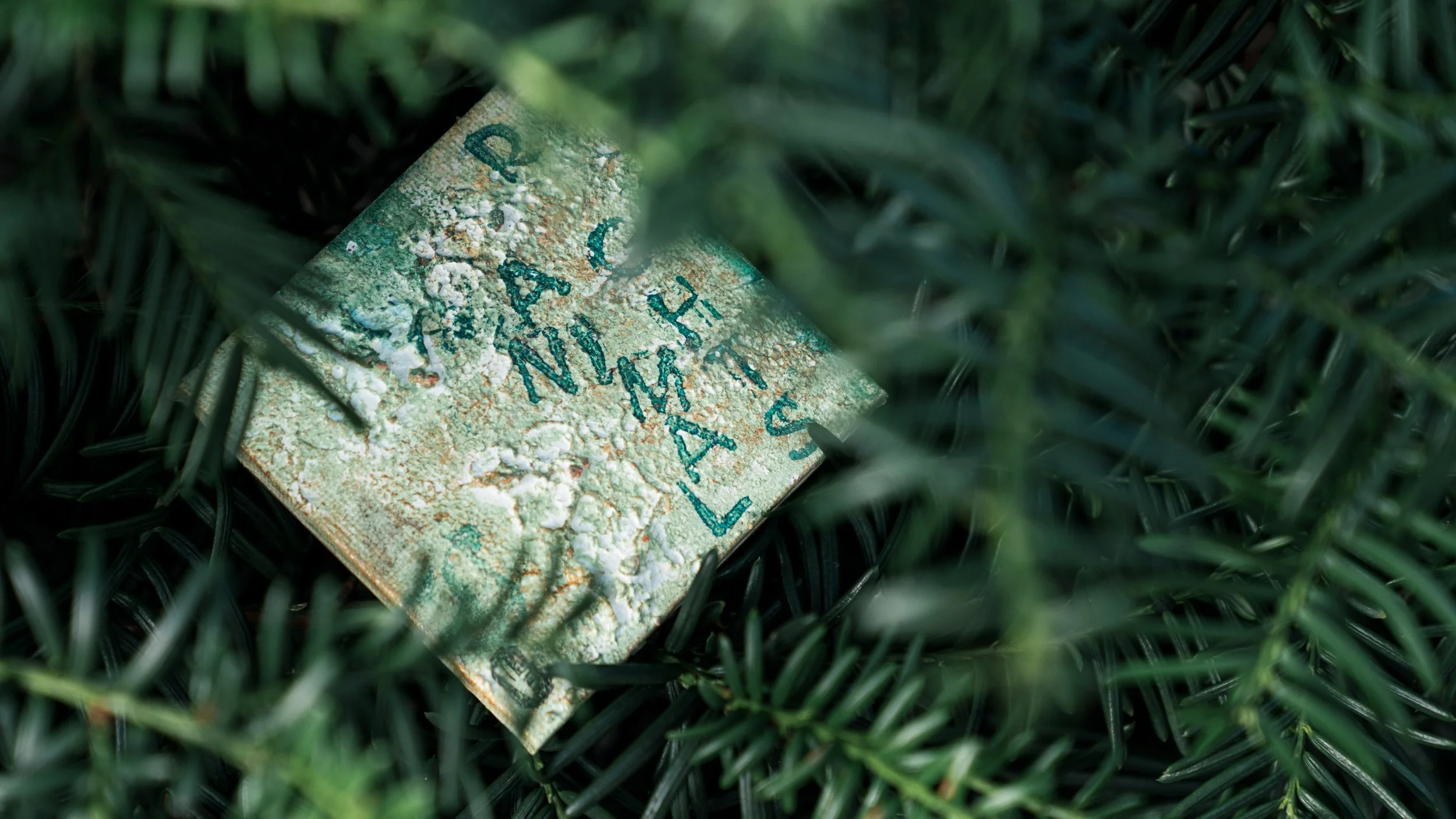
Made with vegan art supplies and recycled materials
Handcrafted original artwork – no copies or reproductions
Rich textured surface created with stone and organic pigment
Designed to display on wall, shelf, or coffee table
Eco-conscious art for vegan interior design
Framed in Finland with custom options available
Certificate of authenticity included
Expresses values of compassion, sustainability, and mindful living