
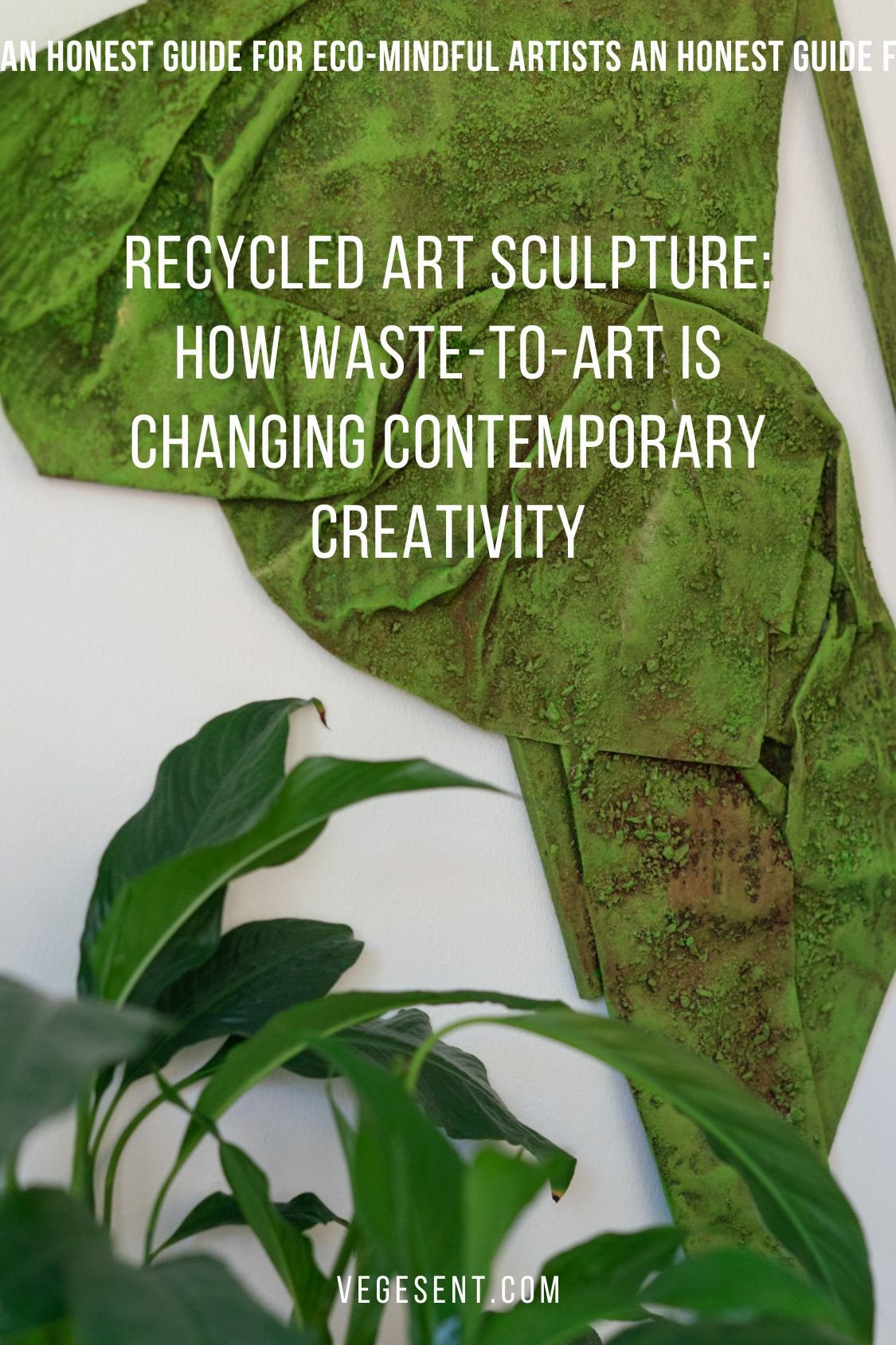
Recycled Art Sculpture: How Waste-to-Art Is Changing Contemporary Creativity
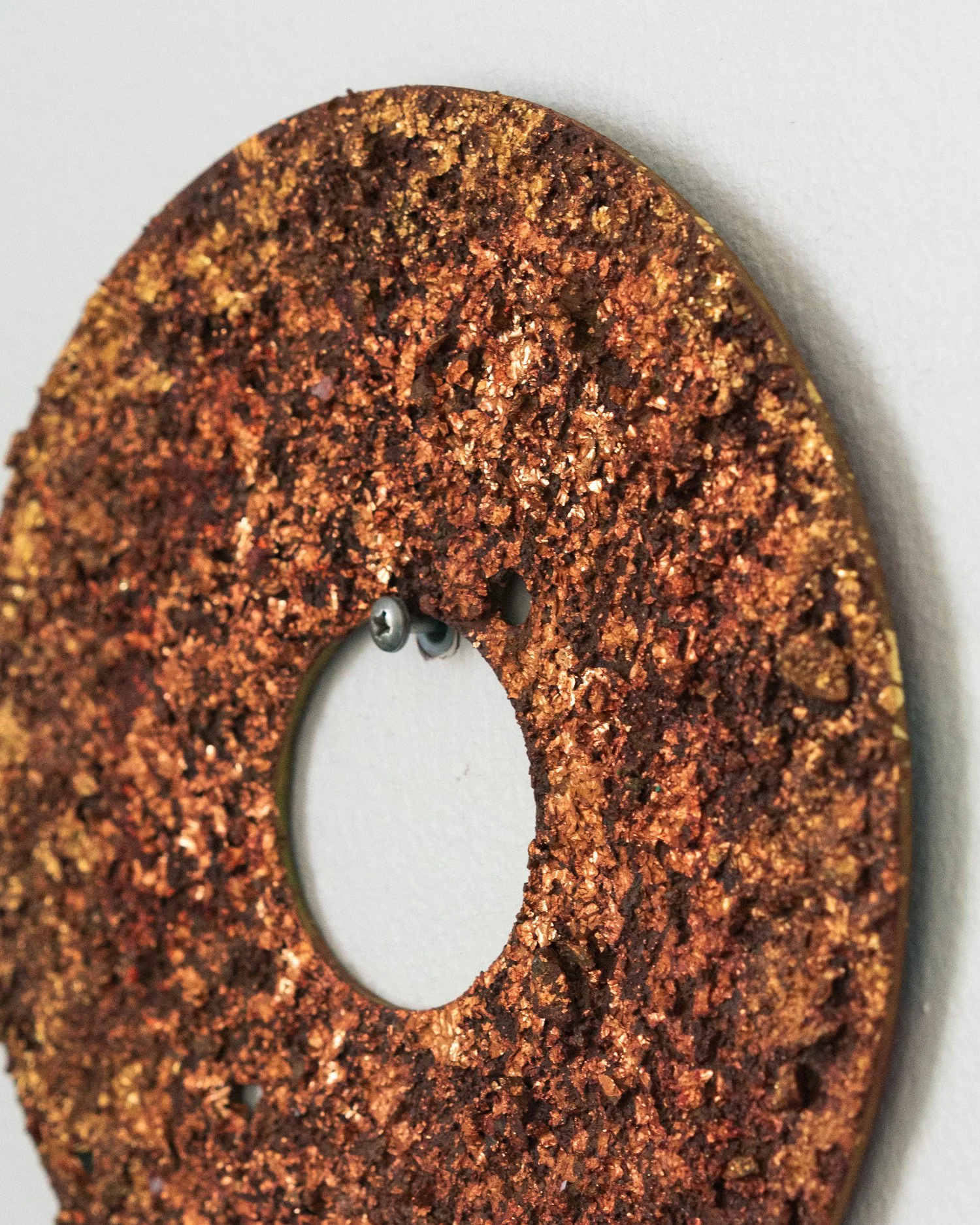
Walk into a contemporary gallery in Helsinki, Copenhagen, or Amsterdam and you will notice something interesting: more artists are moving away from traditional art supplies and toward reclaimed, recycled, and unconventional materials. What once looked like “waste” is increasingly becoming the foundation for contemporary sculpture, textured wall art, and experimental creative practices.
This shift is not only aesthetic. It reflects a growing awareness of environmental impact, material consumption, and the desire to create art that feels more connected to the real world.
For many beginner and intermediate artists, however, the idea of sustainable art still feels confusing. Questions appear immediately:
Is acrylic paint environmentally harmful?
Are eco materials expensive?
Can recycled materials still look professional?
Where do artists even begin?
How do you experiment without wasting money?
These questions are especially common among artists in Northern and Western Europe, where sustainability conversations are deeply integrated into everyday life. Many creatives want to make more responsible choices, but they also want practical guidance, beautiful results, and materials they can trust.
The good news is that sustainable art does not require perfection. It starts with curiosity, experimentation, and a willingness to see materials differently.
What Is Recycled Art Sculpture?
Sustainable Art combines creative practice with environmental awareness. Within this movement, recycled art sculpture transforms discarded or reclaimed materials into artistic objects with new meaning and value.
Instead of relying entirely on newly manufactured supplies, artists may work with:
Reclaimed paper and cardboard
Construction leftovers
Textile waste
Wood scraps
Packaging materials
Industrial remnants
Broken household objects
Natural found materials
Recycled fibers and pulp
The goal is not simply to “reuse trash.” The most compelling waste-to-art practices transform overlooked materials into something visually refined, emotionally powerful, and conceptually meaningful.
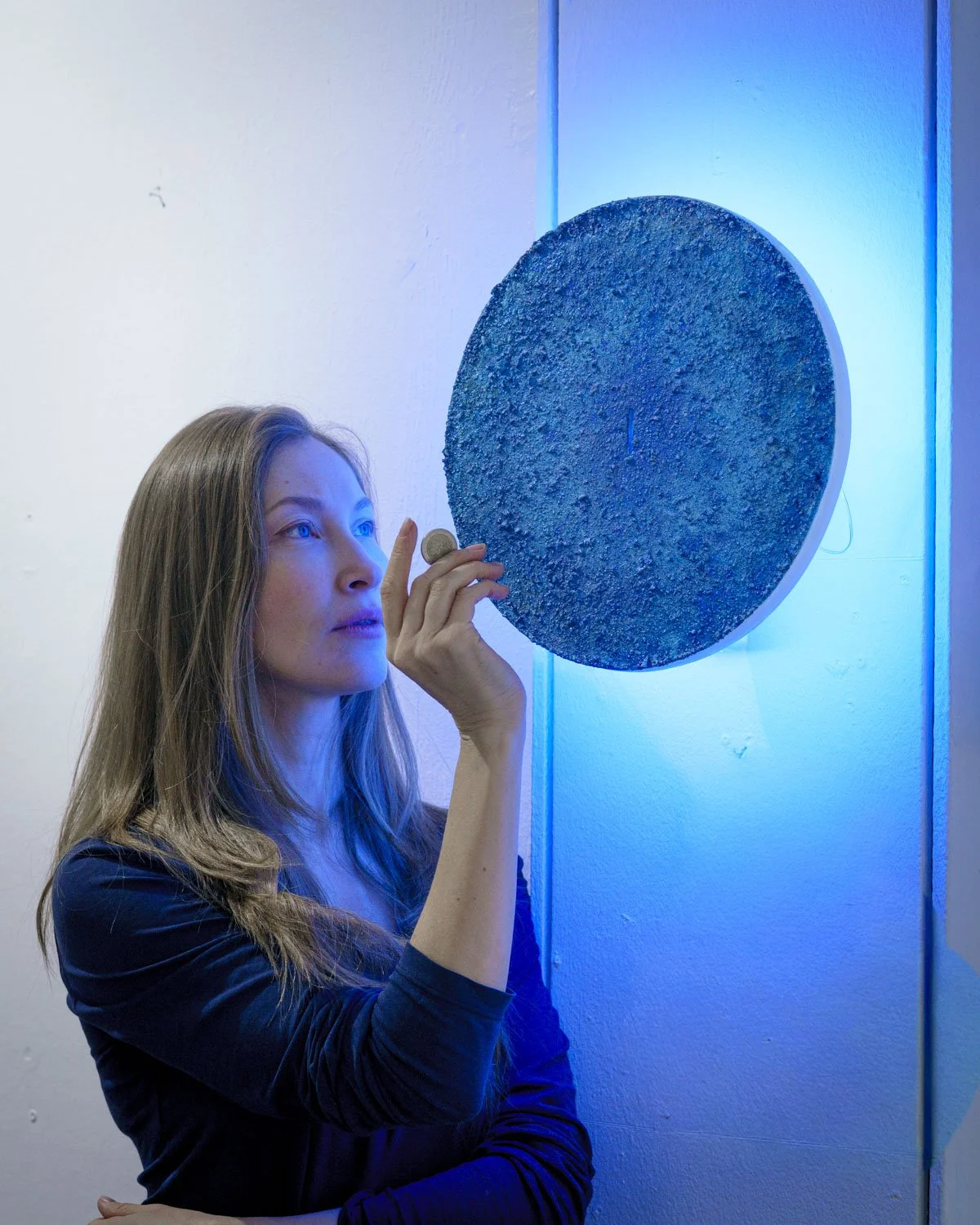
In contemporary minimalist sculpture, recycled materials are often processed so thoroughly that viewers no longer recognize their original source. A rough piece of urban waste may become a stone-like sculptural surface. A discarded fiber may become a tactile abstract wall piece.
This transformation is part of what makes recycled art sculpture so compelling. It challenges assumptions about value, beauty, and permanence.
Why Waste-to-Art Is Growing Across Europe
Across Europe, artists and buyers are becoming more conscious about consumption, interiors, and environmental responsibility.
In countries like Finland, Sweden, Germany, and Netherlands, sustainability is no longer considered a niche interest. It increasingly shapes architecture, design, fashion, and creative industries.
This naturally influences art.
Collectors are becoming more interested in transparent creative processes, handmade work with meaning, circular economy practices, low-waste production, natural textures and organic aesthetics or minimalist interiors with emotional depth.
At the same time, artists themselves are rethinking the hidden environmental impact of traditional supplies.
Many beginners are surprised to learn how resource-intensive some conventional materials can be. Plastic packaging, synthetic binders, chemically treated surfaces, and mass-produced disposable tools all contribute to creative waste.
This realization can create eco-anxiety, especially for artists who care deeply about environmental issues but do not know where to begin.
Fortunately, sustainable art does not require eliminating every conventional material overnight. Small changes matter. Even experimenting with one reclaimed material can shift the way an artist thinks and creates.
The Emotional Side of Sustainable Creativity
Many artists researching eco materials are not only looking for “green” alternatives. They are also searching for reassurance.
Creative practice already involves vulnerability. Adding environmental concerns can make the process feel even more overwhelming.
Some artists worry that eco materials will look amateur, sustainable supplies are too expensive, they are not “ethical enough”, they need to research every purchase or their work is not progressing fast enough or that experimentation will waste money.
This hesitation often leads to creative paralysis. Artists save tutorials, bookmark articles, compare products endlessly — and never actually begin.
That is why practical, low-pressure experimentation is so important.
Instead of trying to build a completely perfect sustainable studio immediately, artists benefit more from simple hands-on exploration:
Testing one unconventional texture
Creating one experimental piece
Working with one reclaimed surface
Learning one repeatable process
Building confidence slowly over time
Sustainable creativity works best when it feels approachable rather than restrictive.
Why Texture Matters in Contemporary Recycled Art Sculpture
One of the most exciting aspects of waste-to-art practice is texture.
Recycled materials often carry irregularities, imperfections, fibers, and tactile qualities that manufactured art supplies try to eliminate. In contemporary sculpture, these “imperfections” become strengths.
Textural abstraction has become increasingly popular in modern interiors because it creates calm visual depth without overwhelming a space.
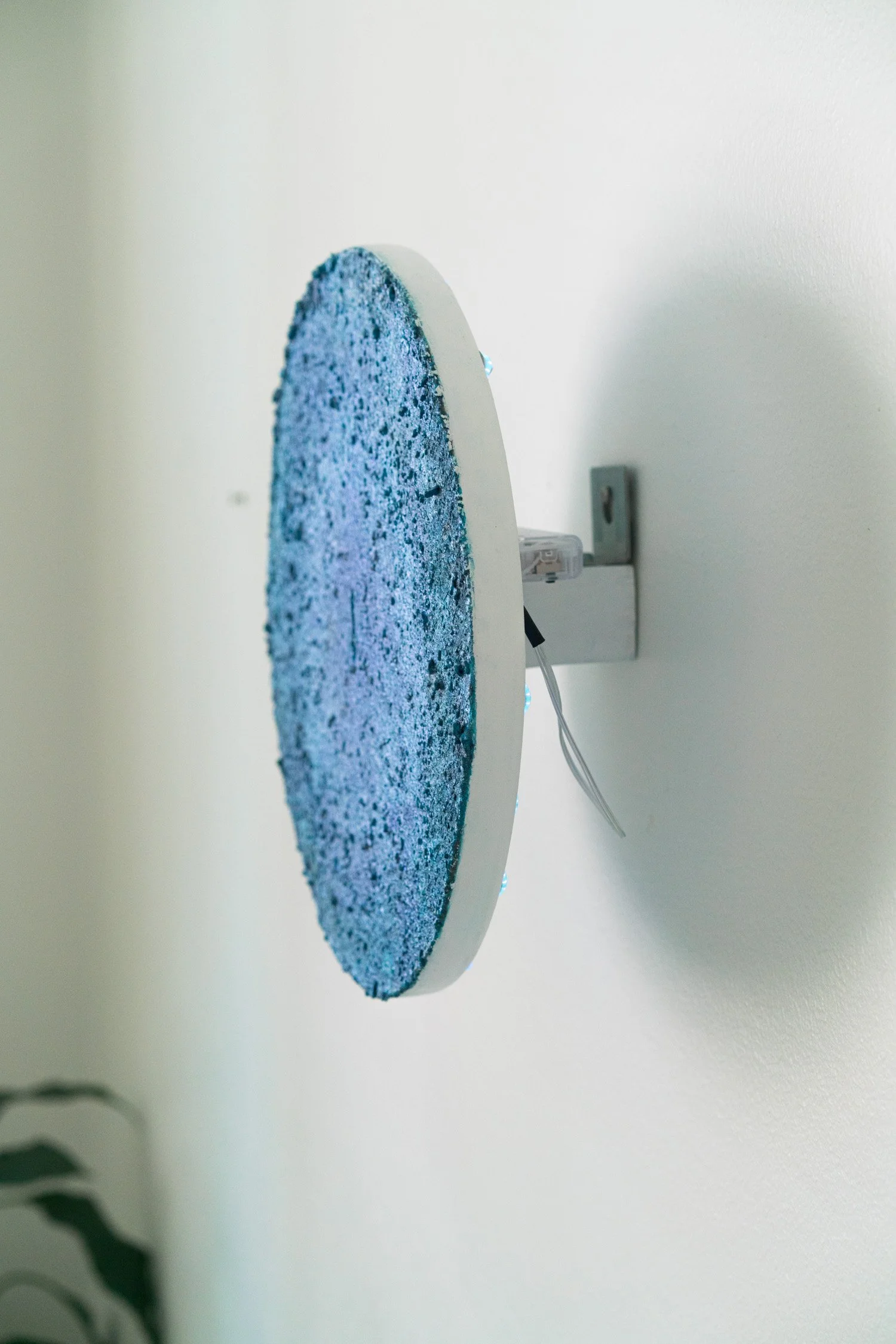
Stone-like surfaces, matte finishes, layered reliefs, and organic textures align naturally with scandinavian interiors, japandi aesthetics, maybe minimalist homes or wabi-sabi influenced spaces or contemporary neutral palettes.
This is one reason why reclaimed-material wall sculpture has become more visible in contemporary design conversations. It offers both aesthetic sophistication and conceptual meaning.
A sculptural artwork made from recycled materials tells two stories simultaneously:
1. A visual story through texture and form
2. A material story through transformation and reclamation
For environmentally conscious collectors, this dual meaning creates emotional connection.
From Waste to Art: Seeing Materials Differently
One of the most transformative skills an artist can develop is learning to see materials beyond their original purpose.
A packaging fragment may become relief texture.
A construction leftover may become structural support.
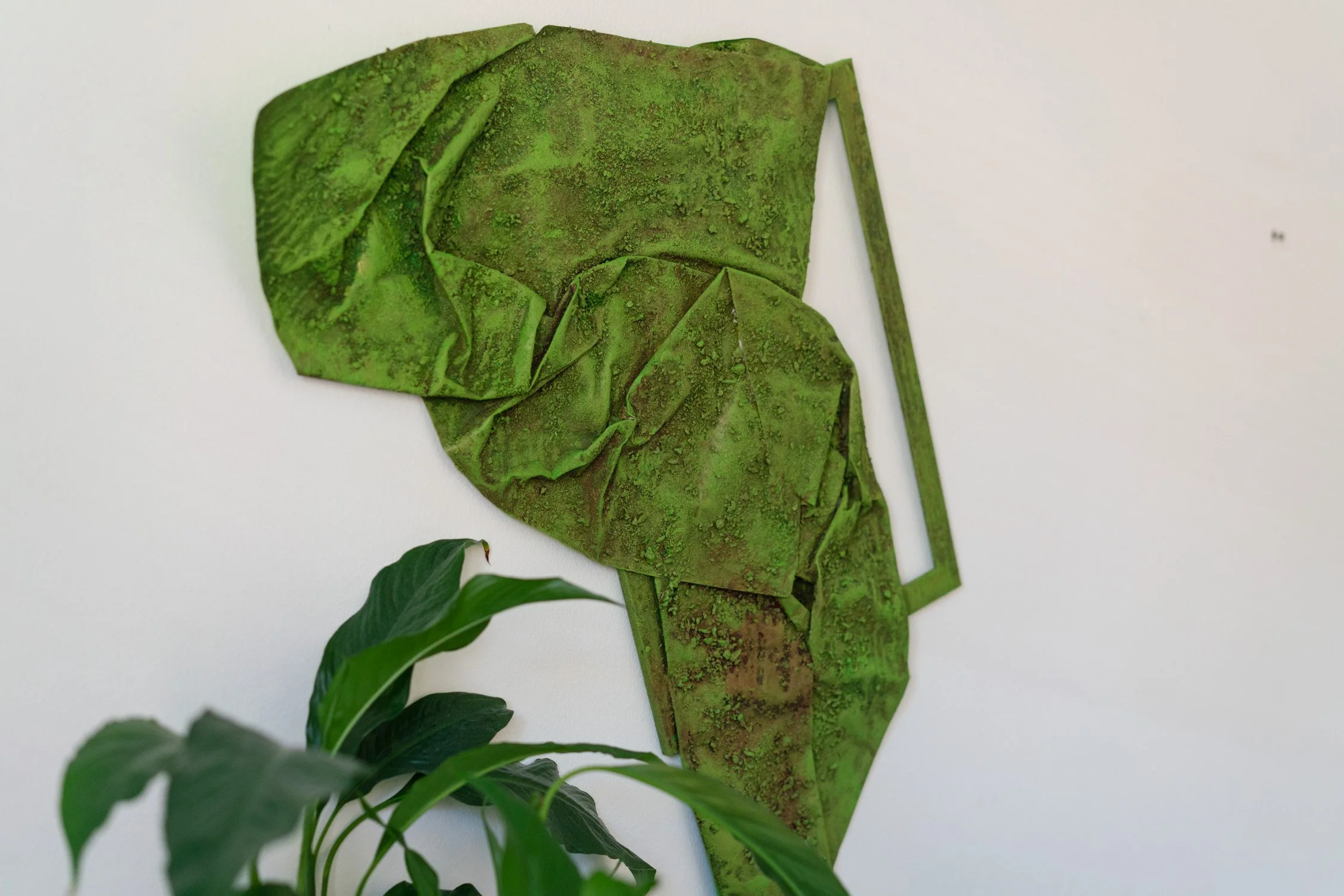
A discarded fiber may become a sculptural surface.
A damaged object may become pigment, imprint, or pattern.
This shift changes not only artistic outcomes but also the artist’s mindset.
Instead of constantly purchasing new supplies, artists begin asking:
What already exists around me?
What materials are overlooked?
What textures feel interesting?
What can be transformed?
How can limitation become part of the artwork?
Interestingly, limitations often improve creativity rather than restrict it.
When artists stop relying entirely on endless product choices, they begin developing a stronger personal visual language.
Why Beginner Artists Need Simplicity, Not More Information
The internet contains endless lists of “eco art supplies,” but many beginners still feel lost.
Why?
Because information alone rarely creates momentum.
Most artists do not need fifty material options. They need a clear starting point, a guided experiment, one manageable process and a low-risk way to explore. This is especially important for cautious buyers who worry about wasting money.
Buying full sets of unfamiliar materials can feel intimidating. Artists often hesitate because they do not know:
How the material behaves
Whether they will actually use it
If it suits their style
Whether it creates professional-looking results
That is why sample-based experimentation can be so effective.
Trying a small curated material before committing financially reduces pressure and increases confidence.
The Rise of Material Exploration in Contemporary Art
Contemporary artists are increasingly valued not only for what they create, but also for how they create it.
Material experimentation itself has become part of artistic identity.
Today’s audiences are curious about process, origin, sustainability, material history, transformation and authenticity!
Artists who openly explore unconventional materials often create stronger engagement because viewers feel invited into discovery.
This is particularly relevant for younger collectors and environmentally conscious audiences in Europe and English-speaking markets like United Kingdom, Canada, Australia, and the United States.
People increasingly want objects with story, intention, and visible humanity.
Handmade recycled art sculpture naturally carries those qualities.
Studio Alchemy: A Different Way to Explore Art Materials
For artists who feel curious but cautious, structured experimentation can make a major difference.
Studio Alchemy was created as a hands-on unconventional art materials club designed to remove overwhelm and make exploration feel accessible.
Instead of requiring artists to research hundreds of supplies independently, the concept focuses on one carefully curated material at a time.
Each monthly letter encourages artists to experiment playfully without pressure or perfectionism.
The experience includes:
A physical sample of the material
A texture and mark-making demonstration card
A “Do It Now” creative challenge
Palette inspiration
Eco information cards
Material history and artist references
An archival folder for building a personal material library
Small artwork prints inspired by the material
Opportunities for feedback and interaction
This kind of guided exploration helps artists build confidence gradually.
Rather than overwhelming beginners with theory, it creates small achievable creative actions that lead to visible progress over time.
For artists experiencing creative isolation, ongoing monthly interaction also provides a subtle sense of connection and continuity.
Sustainable Art Does Not Mean Sacrificing Beauty
One of the biggest misconceptions about eco-conscious creativity is that sustainable artwork must look rough, improvised, or visibly recycled.
In reality, many contemporary recycled art sculptures are highly refined.
Minimalist reclaimed-material work often appears architectural, sculptural, elegant and calm. Gallery-oriented even.
The environmental aspect becomes an additional layer of meaning rather than the only focus.
This is especially true in contemporary textured wall art inspired by stone, erosion, natural surfaces, and tactile abstraction.
When reclaimed materials are processed thoughtfully, they can create finishes impossible to achieve through conventional mass-produced supplies alone.
The result feels human, physical, and grounded.
Building an Eco-Conscious Art Practice Slowly
Artists sometimes assume they must completely transform their studio overnight to become sustainable.
That pressure is unnecessary.
A more realistic approach is gradual evolution.
Artists can begin by:
Using existing supplies fully before replacing them
Experimenting with reclaimed surfaces
Reducing disposable studio habits
Exploring natural textures
Testing second-hand tools
Learning about material origins
Choosing quality over quantity
Developing slower, more intentional processes
Sustainable practice is not about perfection.
It is about awareness, experimentation, and making better decisions over time.
Waste-to-art practices resonate because they mirror broader emotional and social realities. Transformation is deeply human. Turning discarded materials into meaningful artwork reflects ideas of resilience, repair, and possibility.
In a world shaped by overconsumption and environmental anxiety, recycled art sculpture offers an alternative narrative:
That value can be rediscovered.
That overlooked things still matter.
That beauty can emerge from what society ignores.
This emotional dimension is one reason why contemporary audiences increasingly connect with environmentally conscious art.
The work becomes more than decoration. It becomes conversation, reflection, and invitation.
The Future of Waste-to-Art Practices
The future of contemporary art will likely involve greater transparency around materials, sourcing, and environmental impact.
Artists are already experimenting with biodegradable materials, circular studio systems, reclaimed fibers and plant-based binders.
At the same time, audiences are becoming more educated and selective.
Collectors increasingly appreciate artwork that aligns with broader cultural values such as sustainability, ethical production, and intentional living.
For emerging artists, this creates opportunity.
Artists who develop authentic material practices today are not following a temporary trend. They are participating in a broader cultural shift toward more conscious creativity.
Recycled art sculpture and waste-to-art practices are not about guilt or creative restriction. They are about expanding what art materials can be.
For beginner and intermediate artists, the most important step is not achieving a perfectly sustainable studio. It is beginning to experiment with curiosity rather than fear.
One material.
One texture.
One process.
One small creative risk at a time. Sustainable creativity becomes meaningful when it is practical, approachable, and emotionally supportive.
Through tactile experimentation, reclaimed materials, and thoughtful processes, artists can build work that feels not only visually compelling but also deeply connected to the world around them.
And perhaps that is what contemporary art increasingly needs most: not more consumption, but more transformation.
Shape Change and connect with a community of artists who share your passion for ecological art and sustainable crafts. Share this article:

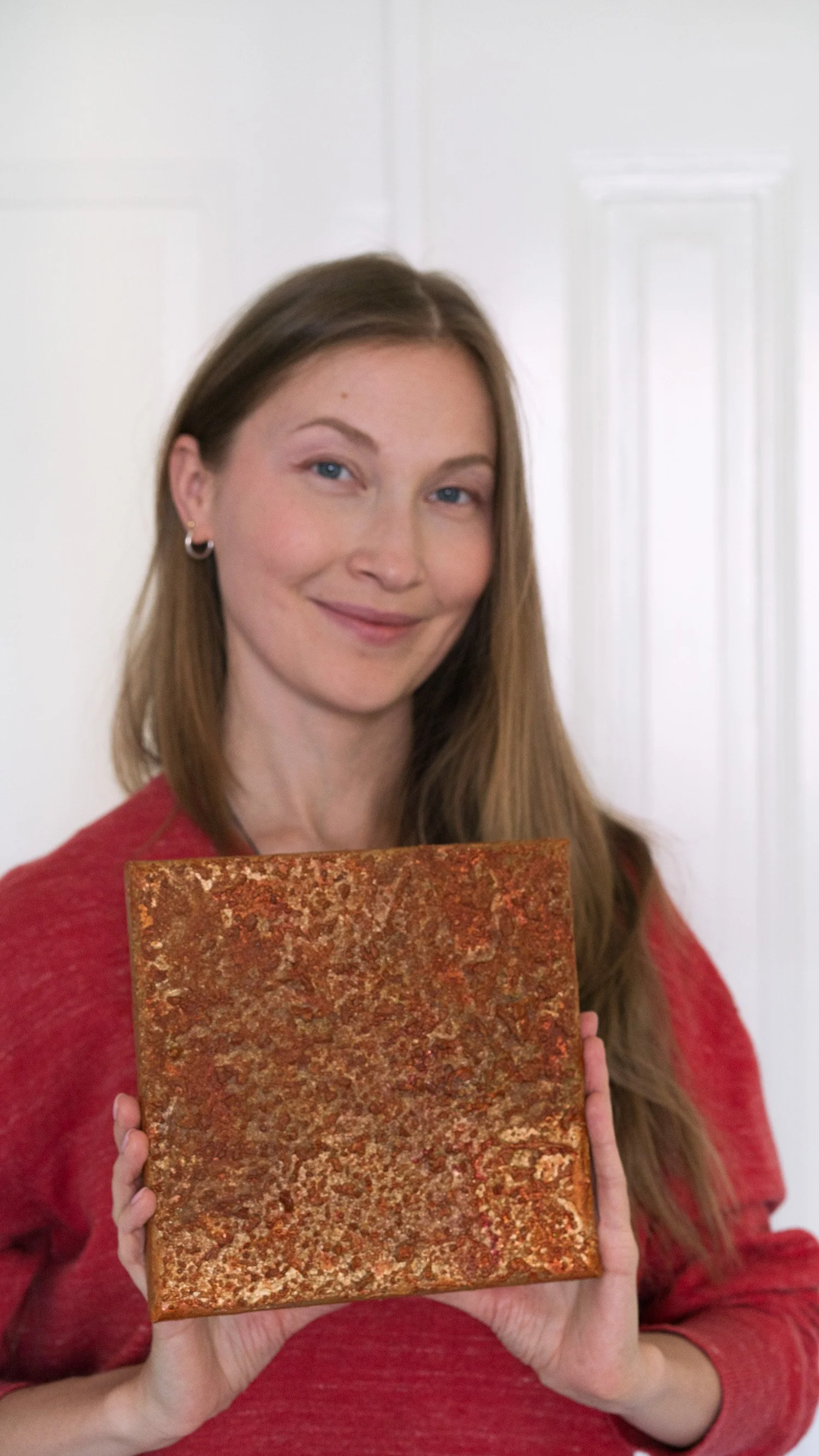
Author: Veronika Kvitko, known as Vegesent, is a multidisciplinary artist whose work explores environmental responsibility and animal visibility through conceptual approach.
She serves as the head of sustainable development and art education in Helsinki International Artists Association.

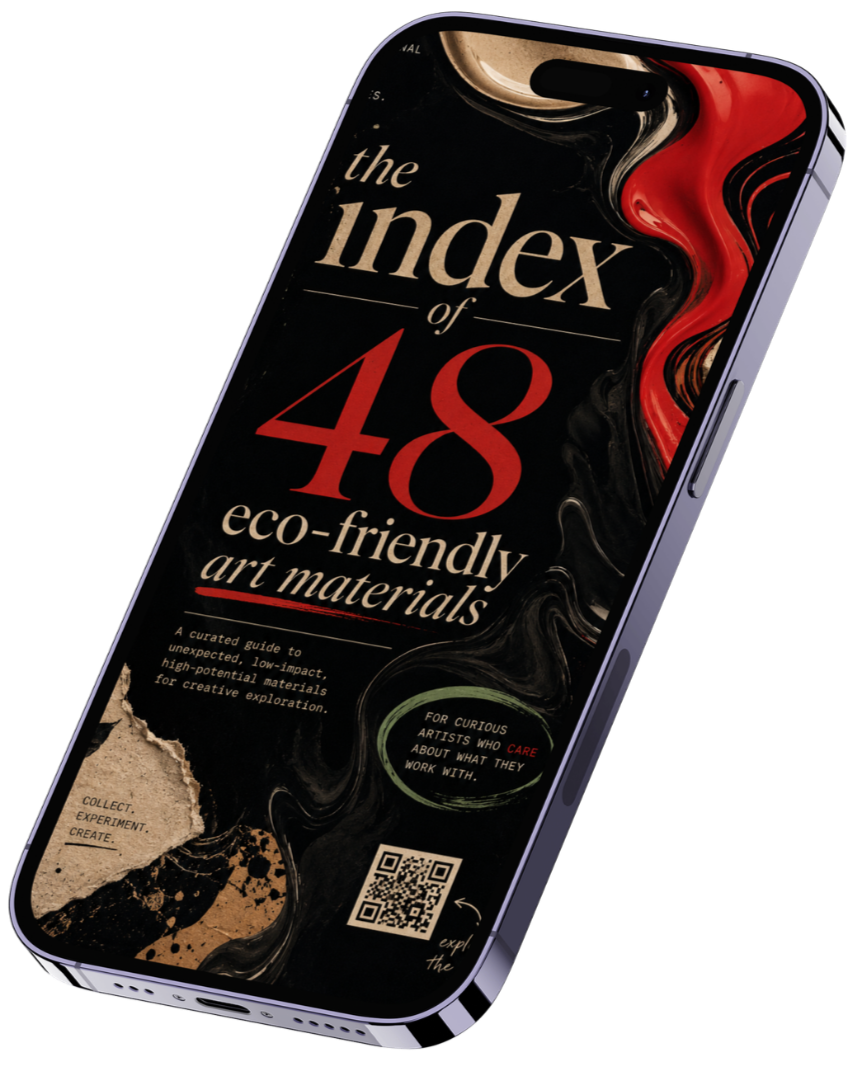
library for eco-mindful artists
Explore my free, easy-to-follow library created for eco-mindful artists. Find step-by-step guides, sustainable art ideas, and eco-friendly material tips — all in one thoughtfully curated space. Whether you’re starting your ethical art journey or refining your sustainable practice, this resource is here to support you.

Vegan art isn’t just about materials—it’s about shaping culture. Exhibitions, collaborations, and storytelling in this space are educating audiences, inspiring change, and redefining artistic value. For eco-conscious beginners, it’s an invitation to turn creative passion into meaningful impact, gaining visibility, community, and purpose along the way.
Discover how vegan art can transform your practice and influence the cultural scene.