
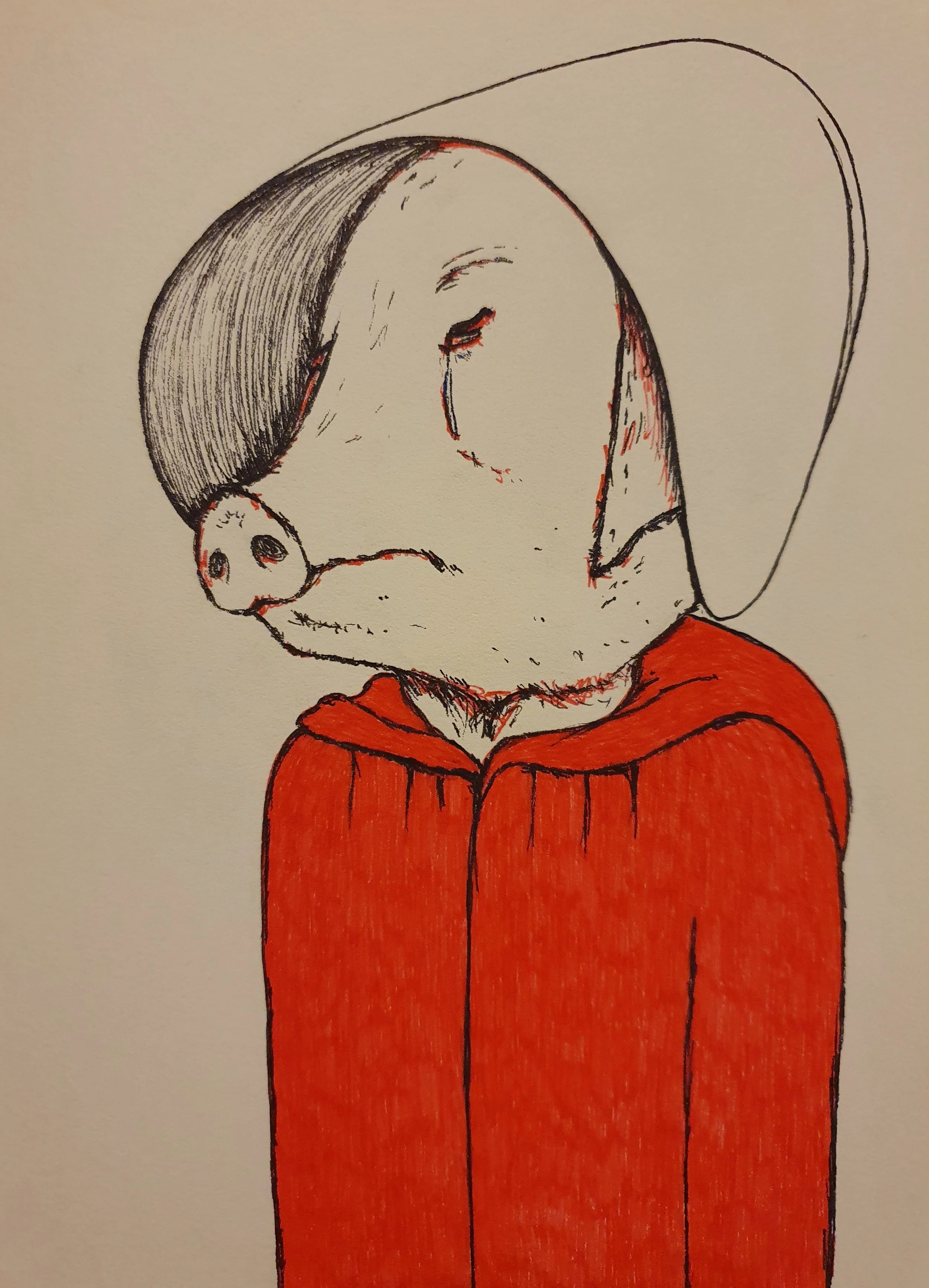
In the contemporary art world, conversations about ethics, sustainability, and the role of creativity in society are gaining momentum.
One of the most compelling developments in this arena is the rise of vegan art—art that is consciously created using animal-free materials, sustainable practices, and environmentally responsible processes.
Vegan art isn’t just a personal ethical choice; it is reshaping cultural values, influencing audiences, and opening new opportunities for artists who wish to align their practice with compassion, sustainability, and purpose.
For beginner artists feeling isolated, eco-anxious, or uncertain about how to grow their practice, vegan art provides a unique lens through which to explore creativity while making a meaningful impact. In this article, we’ll explore what vegan art is, why it matters, its influence on the cultural scene, and how you as a beginner artist can integrate these principles into your own practice.
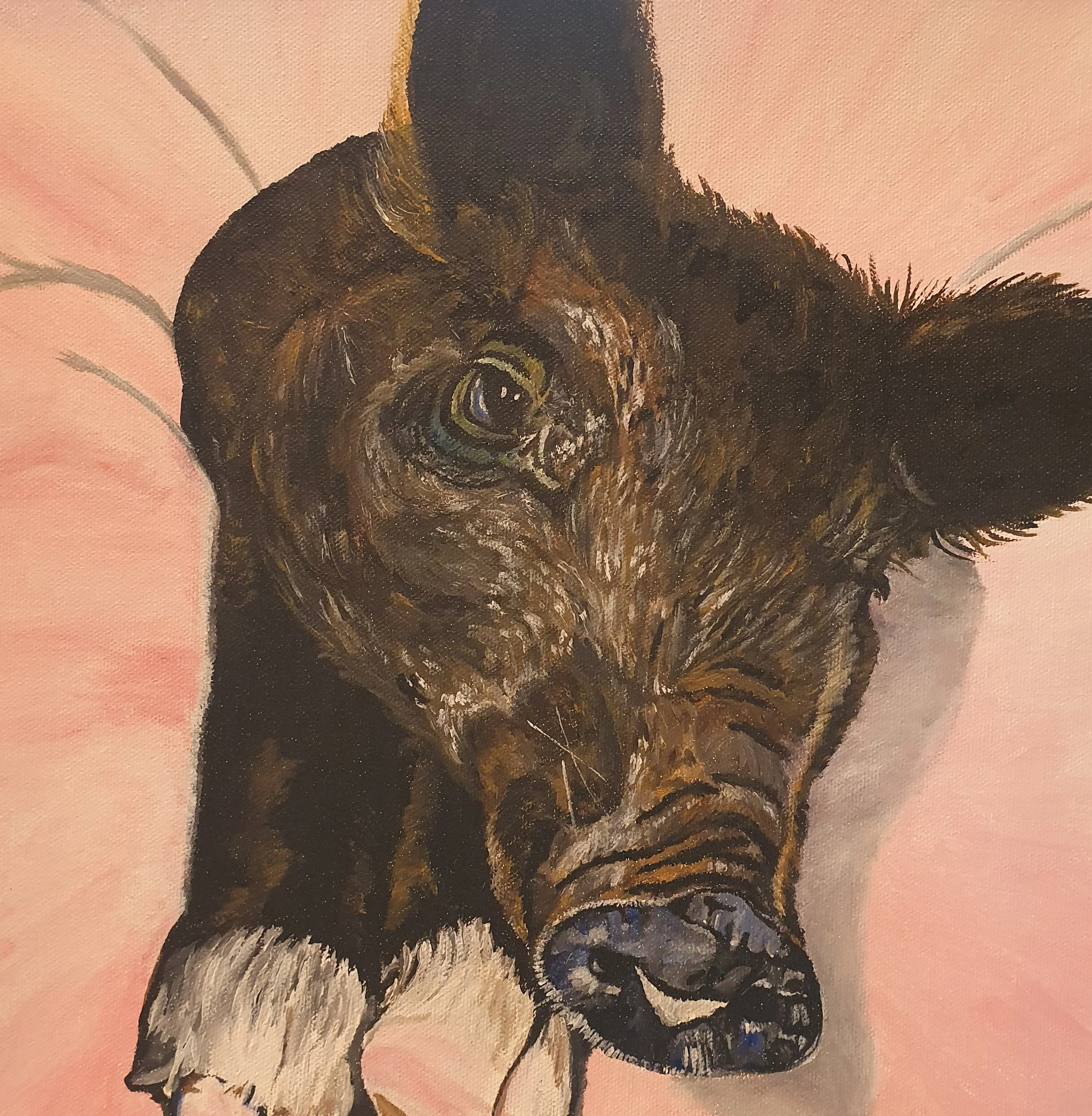
Artist: Amelia J. Zimmerman (Instagram) I'm a member of The Art of Compassion Project which is an international collaboration of vegan artists, and have donated art work to them to raise money for animal charities. I have also donated art to the non-profit organisation Arukah Animal International for their Stop Octopus Farming campaign. The proposed octopus farm in Gran Canaria by Nueva Pescanova will harm the environment in many ways if it goes ahead - octupuses are carnivores and will need significant fish-based feed from wild fish stocks, and the waste from this farm can greatly harm marine ecosystems.I love art which promotes veganism and environmentalism, and follow many vegan and nature artists on Instagram. I love being a member of The Art of Compassion Project as I can connect with other like-minded artists.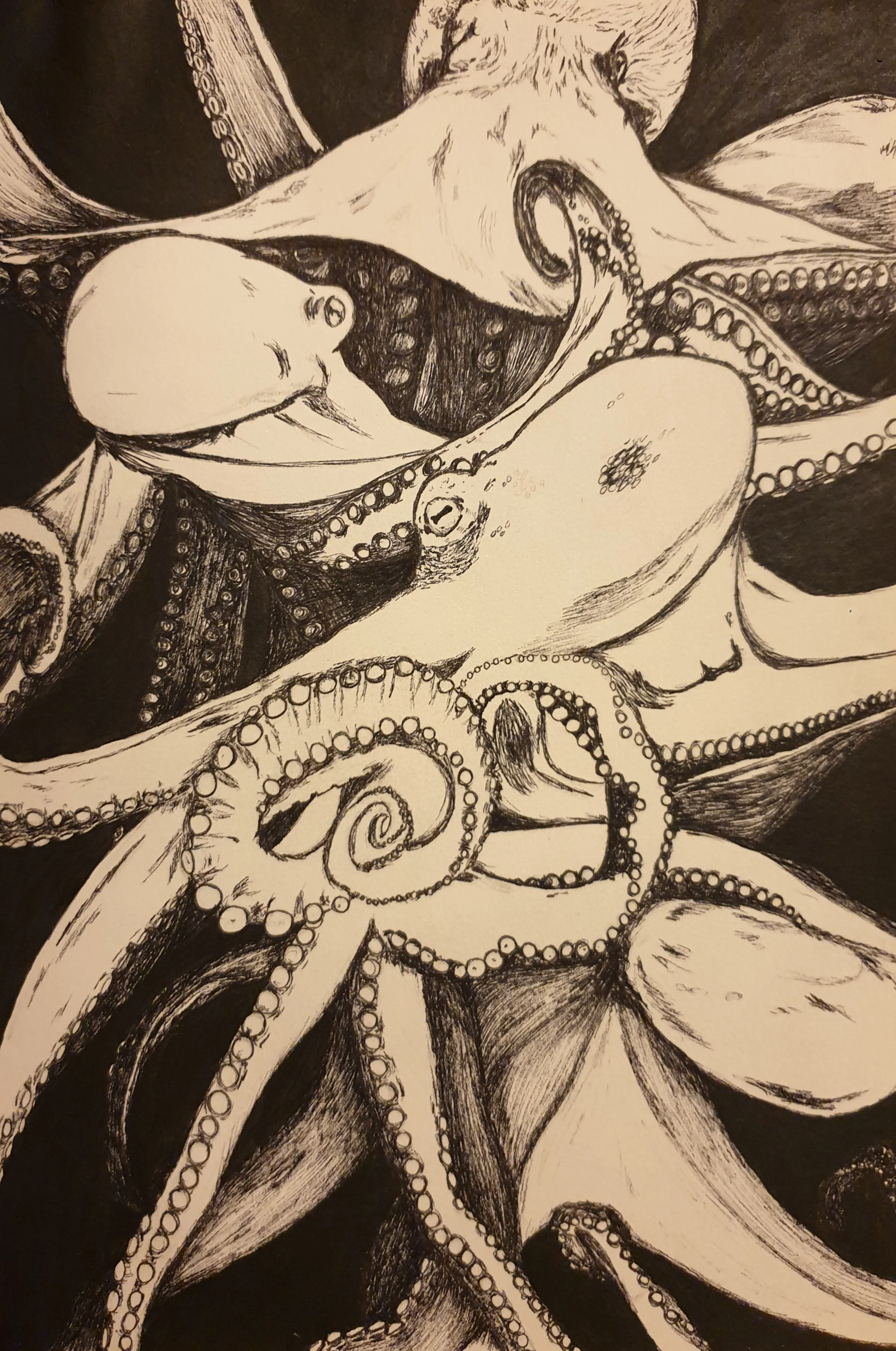
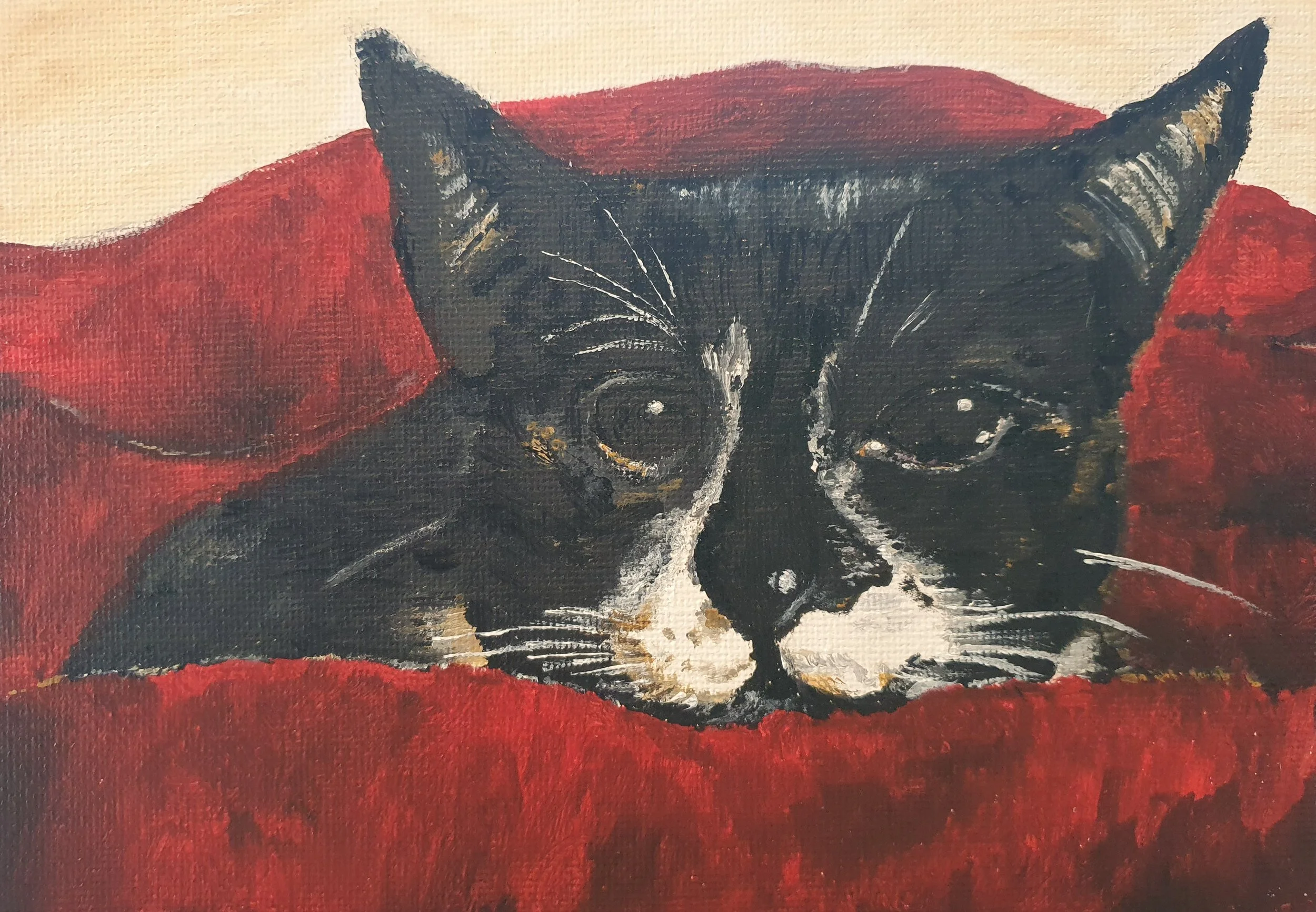
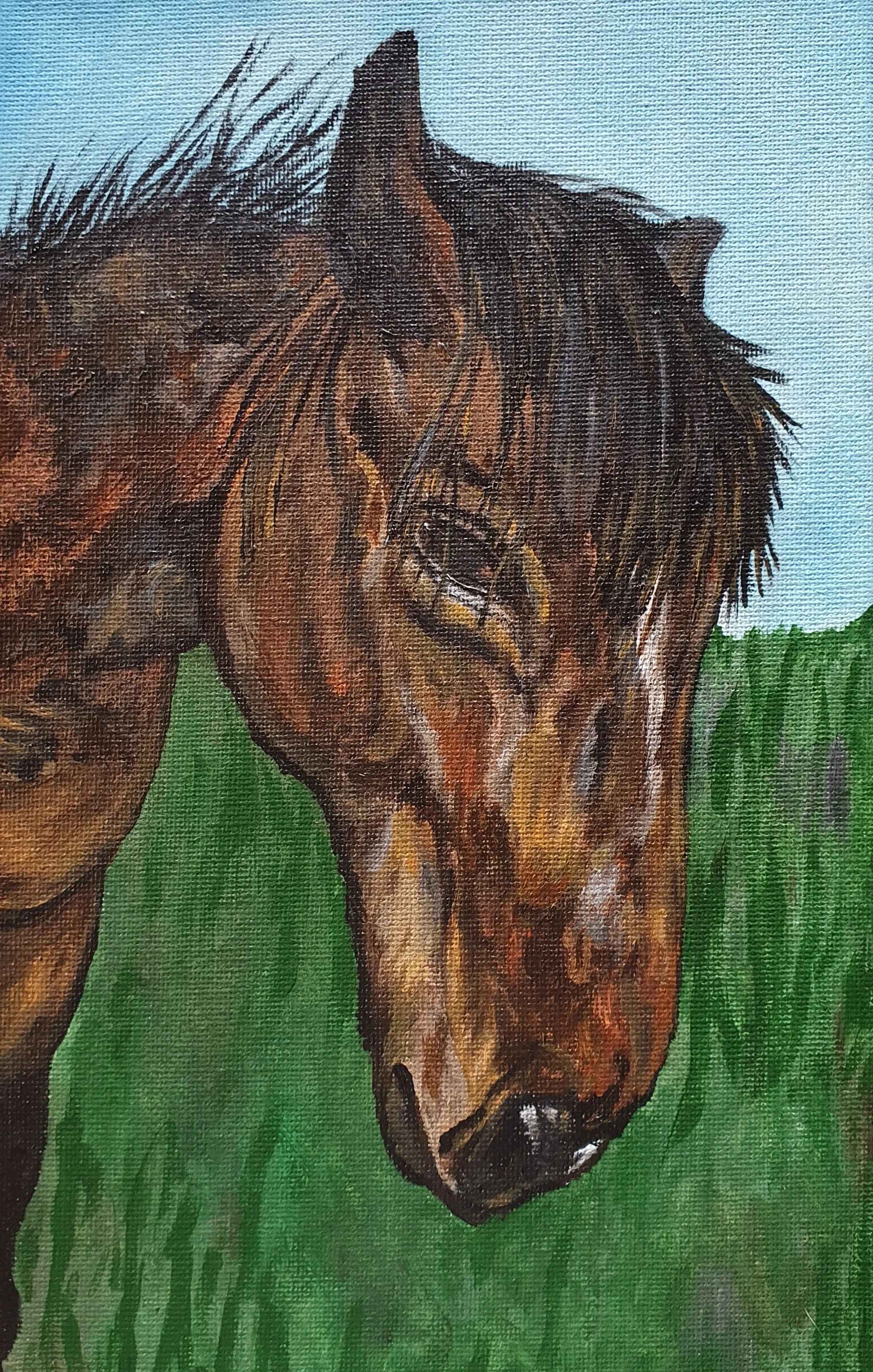
What is Vegan Art?
Vegan art is more than a label—it is an approach to art-making that consciously avoids animal products and prioritizes ecological responsibility. This can include:
Materials: Using plant-based or synthetic paints instead of traditional oil paints with animal-derived ingredients like linseed oil processed with animal products, beeswax, or gelatin-based glues. Artists may use biodegradable cellulose, natural pigments, upcycled textiles, or reclaimed materials.
Surfaces: Choosing canvases, papers, or boards made from recycled or sustainably sourced fibers, rather than leather, parchment, or silk.
Processes: Minimizing chemical use, reducing waste, and ensuring that art production aligns with environmental ethics.
Themes: Expressing advocacy for animals, the environment, or social justice, inviting audiences to reflect on ethical living.
Unlike traditional “green art,” vegan art places animals at the center of ethical decision-making, integrating the values of compassion and empathy into the very act of creation. For artists beginning their journey, this is not only a method for sustainability but also a powerful identity that differentiates their practice and amplifies their message.
Why Vegan Art Matters in Today’s Cultural Scene
The cultural impact of vegan art goes far beyond the materials themselves. It has begun to shift conversations around ethics, aesthetics, and value in the art world. Here’s how:
1. Redefining Artistic Values
Historically, art has often prioritized beauty, technique, or commercial success over ethical considerations. Vegan art challenges this paradigm by demonstrating that ethics and aesthetics can coexist. By choosing vegan materials and practices, artists assert that compassion is part of artistic excellence.
This approach also resonates with a growing audience of environmentally conscious consumers who are seeking art that aligns with their values. For eco-anxious beginner artists, this creates both a market and a sense of purpose: you are not just creating for visibility but for impact.
2. Inspiring Social Consciousness
Art has always been a vehicle for social change. Vegan art leverages this power to highlight issues such as animal welfare, environmental degradation, and ethical consumerism. Exhibitions featuring vegan art encourage audiences to reflect on the consequences of daily choices, from food to fashion to household products.
For example, installations made from upcycled urban waste or natural pigments not only demonstrate environmental responsibility but invite audiences to rethink consumption and waste culture. For artists beginning their career, this opens avenues to collaborate with sustainability organizations, educational institutions, and community projects, building visibility while staying aligned with values.
3. Expanding Material Innovation
The rise of vegan art has driven creative innovation in materials and techniques. Artists are experimenting with biodegradable inks, plant-based pigments, natural adhesives, and repurposed urban materials. These innovations are not only environmentally responsible but often visually and tactilely unique, allowing artists to create signature styles that stand out in a crowded cultural scene.
For beginner artists, this is particularly exciting. By experimenting with these materials early on, you can develop a distinctive artistic voice that communicates both creativity and ethics. It also aligns with the desire many new artists have to differentiate themselves without compromising their values.
4. Shaping Eco-Conscious Art Markets
The cultural impact of vegan art is increasingly reflected in the market. Collectors, galleries, and institutions are starting to value sustainability as a criterion for artistic worth. Art that demonstrates conscious material choices, ethical production, and environmental advocacy is gaining recognition alongside traditional criteria like technique or concept.
For early-stage artists, this creates opportunities to monetize art in ways that support their ethics. Being visible as a vegan or sustainable artist can open doors to collaborations with eco-conscious brands, grants, and exhibitions focused on sustainability.
Vegan Art as a Tool for Empowering Beginner Artists
If you’re just starting your artistic journey, the idea of adopting vegan principles may feel overwhelming. However, it can be a practical, empowering framework that provides clarity, consistency, and purpose in your work.
1. Aligning Art With Values
Eco-anxious artists often struggle with guilt around their environmental impact or the ethics of materials. Vegan art gives you a clear framework to make choices you can feel proud of, from the pigments on your brush to the paper you choose. This alignment reduces creative anxiety and allows you to focus on expression instead of ethical doubt.
2. Affordable and Accessible Materials
Contrary to misconception, sustainable vegan materials can be affordable and accessible. Reclaimed wood, upcycled textiles, plant-based pigments, and biodegradable adhesives can be sourced locally or creatively repurposed from urban environments. This makes vegan art ideal for artists balancing limited budgets with a desire for ethical practice.
3. Community and Visibility
Being part of the vegan art movement gives you a ready-made community. Workshops, online forums, and social media groups for eco-conscious artists provide support, encouragement, and collaboration opportunities. This sense of belonging is invaluable for beginner artists who may otherwise feel isolated.
4. Marketing With Integrity
Vegan art also supports authentic marketing. Audiences increasingly value transparency and ethics; by openly sharing your process, sourcing, and commitment to sustainability, you attract collectors and supporters who align with your values, building loyalty and long-term engagement.
Artist highlight: Fernanda Barral Oroz (Instagram)I generally don’t sell my work, but when I have donated it, there hasn’t been much issue, as it is a contribution to sanctuaries. I also collaborate with initiatives that contribute to animal organizations.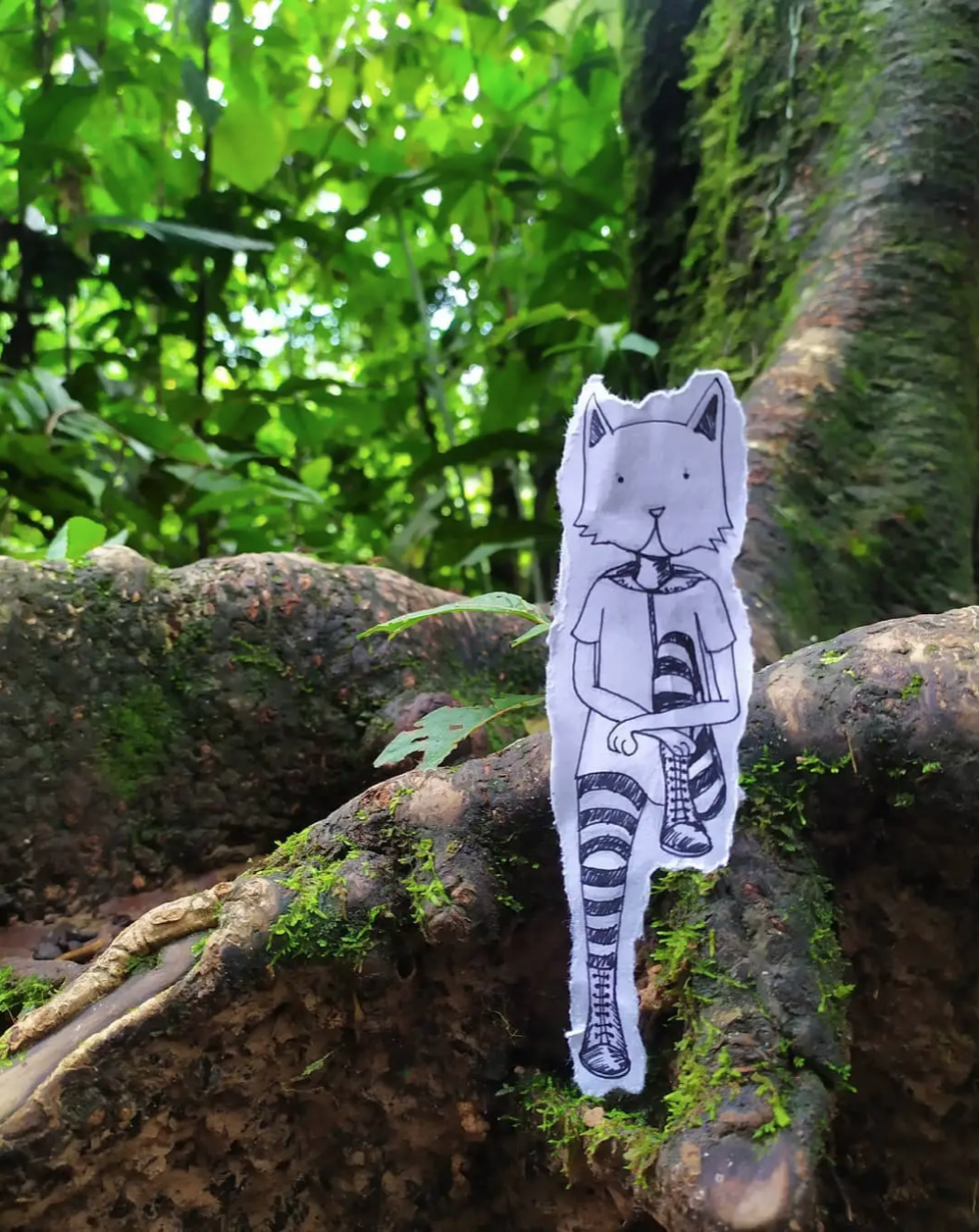
Practical Steps for Beginner Artists to Start Vegan Art Practices
Adopting vegan principles doesn’t require reinventing your practice overnight. Here are practical steps to get started:
1. Audit Your Materials
Identify the components in your current practice that may involve animal products or non-sustainable production. Replace them with plant-based, recycled, or synthetic alternatives.
2. Experiment With Natural Pigments
Vegetable, mineral, and clay-based pigments can replace animal-derived paints and inks. These options are non-toxic, biodegradable, and often visually unique.
3. Upcycle and Repurpose
Use discarded fabrics, urban waste, cardboard, or reclaimed wood as canvas or structural materials. Not only is this sustainable, but it also adds texture, narrative, and authenticity to your work.
4. Eco-Friendly Packaging
If you sell your art, switch to recyclable, compostable, or minimal packaging, and include a note encouraging recipients to reuse or recycle materials.
5. Share Your Story
Transparency builds trust. Share your vegan and sustainable choices through social media, blogs, or exhibitions. This engages your audience and educates them, amplifying the impact of your art beyond aesthetics.
6. Collaborate With Like-Minded Organizations
Partnering with animal advocacy or sustainability-focused groups can increase visibility, provide new exhibition opportunities, and embed your work within a larger cultural conversation about ethics and sustainability.
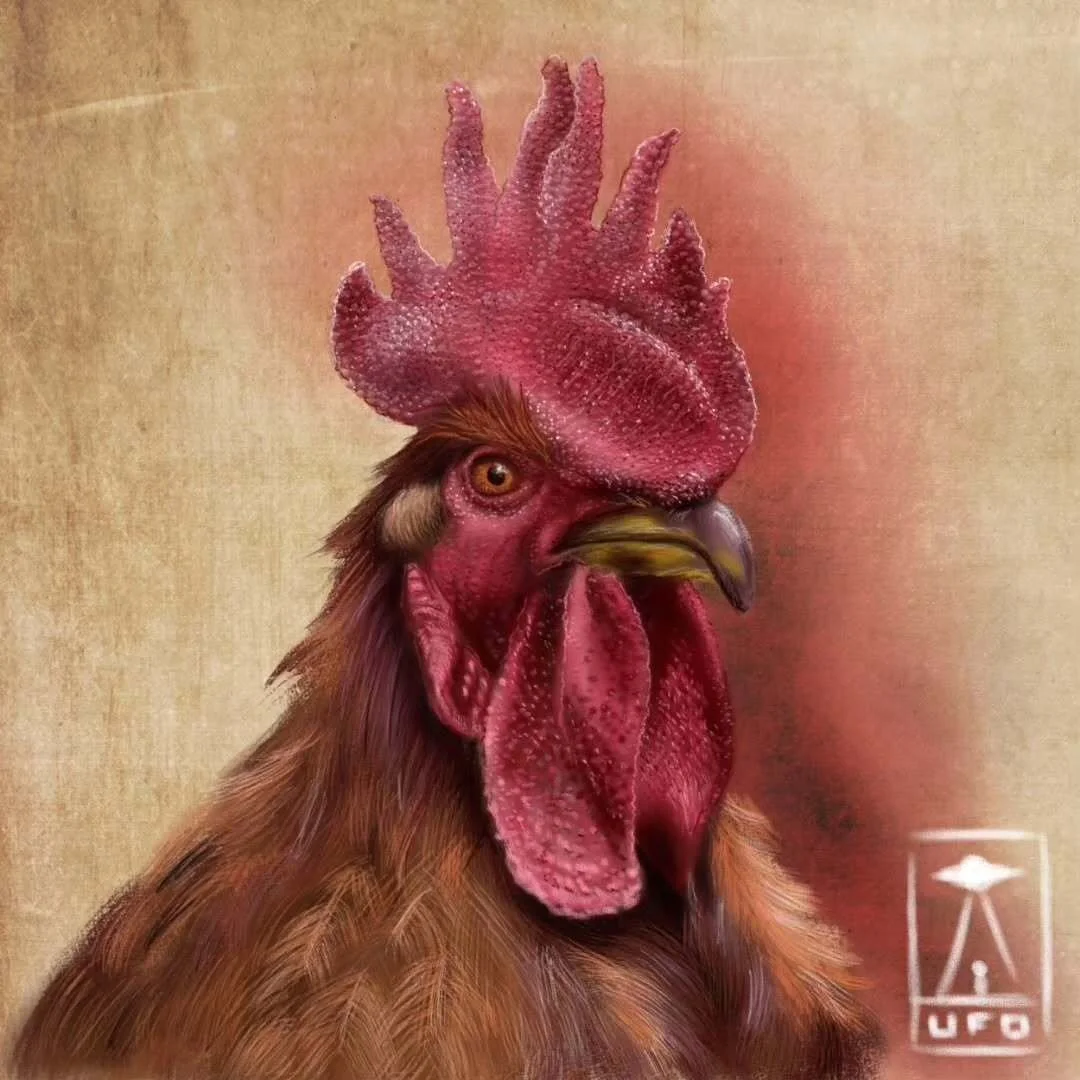
Artist: Ufo Reptil (Instagram) I have participated in art exhibits to raise awareness about animal rights. I have also created many drawings that help to raise money for animal sanctuaries. I have collaborated many times with animal sanctuaries and with Brigada Animal México for 7 years were I developed contents and many needed tools for ecological, sustainable and fair activism both for the animals and the environment. I have collaborated with other artists interested in sustainability such as Art of Compassion Project and Polifacética.Vegan Art and Cultural Transformation
Vegan art’s influence is part of a broader cultural shift. Audiences are increasingly demanding that art reflects values of compassion, sustainability, and social responsibility. Museums, galleries, and online platforms are beginning to highlight eco-conscious and vegan artists, signaling that ethical practice is not just a personal choice but a cultural imperative.
By choosing vegan art practices, artists are:
Challenging conventions about what materials and processes are acceptable in high-quality art
Shaping the dialogue around ethics, environmental responsibility, and animal welfare
Creating new aesthetic possibilities through innovative, sustainable materials
Empowering a new generation of eco-conscious collectors and audiences
For beginner artists, this cultural shift presents both a responsibility and an opportunity: to create art that matters, educates, and inspires while building a career rooted in purpose and authenticity.
Vegan art is more than a trend — it is a transformative movement that intersects creativity, ethics, and environmental responsibility. For eco-anxious beginner artists, it offers a clear path to align practice with values, reduce environmental impact, and gain visibility in an increasingly conscious art world.
By addopting vegan materials, exploring sustainable processes, and engaging audiences with authenticity, you can make your art a tool for positive change. Not only does this approach empower you as an artist, but it also contributes to shaping a cultural scene where compassion, sustainability, and creativity are inseparable.
For artists navigating limited budgets, time pressures, or feelings of isolation, vegan art provides practical strategies, community support, and a meaningful identity. It transforms eco-anxiety into action, allowing you to build confidence, consistency, and recognition while staying true to your ethics.
Ultimately, vegan art is a call to action: a reminder that every brushstroke, pigment choice, and creative decision can reflect values, inspire change, and leave a lasting mark on the cultural landscape. As artists, our power lies not only in our ability to create beauty but also in our capacity to shape society, shift perceptions, and advocate for a more compassionate, sustainable world.
By embracing vegan art, you are not just creating — you are contributing to a cultural transformation that values ethics as much as aesthetics. For beginner artists seeking to grow, sell, and connect with purpose, this is an invitation to turn your art into a force for meaningful change.
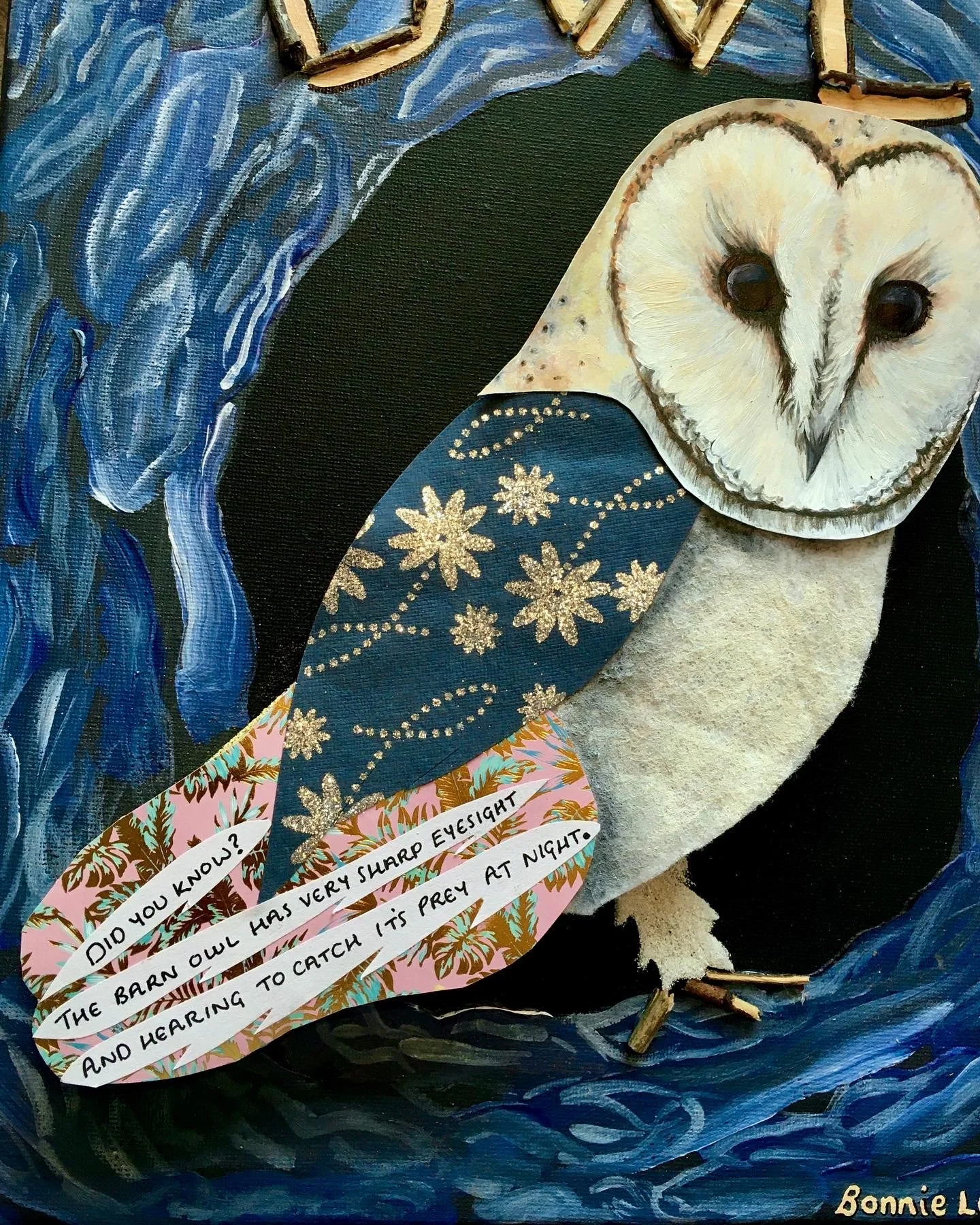
Artist highlight: Bonnie Leeman (IG)I like to think that a lot of my clients are similiar-minded to me, those that purchase my candle jars and jackets are always fine with the materials being second-hand.Shape Change and connect with a community of artists who share your passion for ecological art and sustainable crafts. Share this article:

Author: Veronika Kvitko, known as Vegesent, is a multidisciplinary artist whose work explores environmental responsibility and animal visibility through conceptual approach.
She serves as the head of sustainable development and art education in Helsinki International Artists Association.

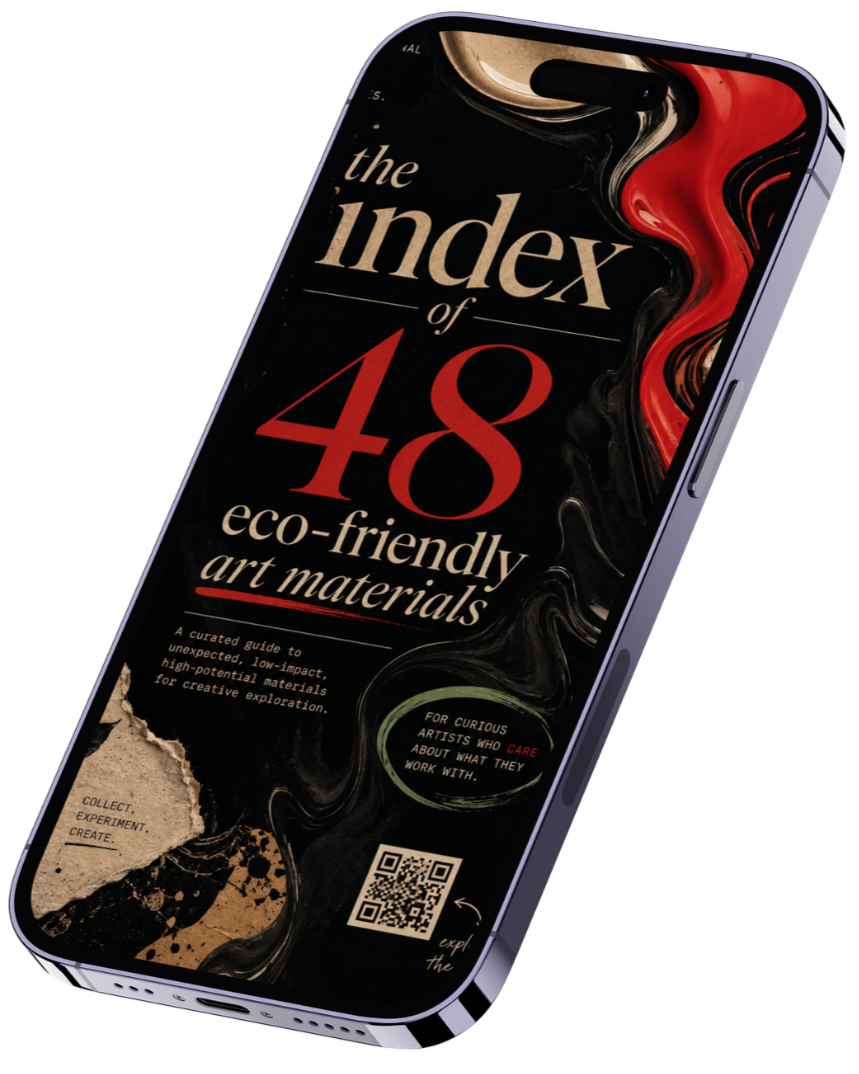
library for eco-mindful artists
Explore my free, easy-to-follow library created for eco-mindful artists. Find step-by-step guides, sustainable art ideas, and eco-friendly material tips — all in one thoughtfully curated space. Whether you’re starting your ethical art journey or refining your sustainable practice, this resource is here to support you.

Vegan art isn’t just about materials—it’s about shaping culture. Exhibitions, collaborations, and storytelling in this space are educating audiences, inspiring change, and redefining artistic value. For eco-conscious beginners, it’s an invitation to turn creative passion into meaningful impact, gaining visibility, community, and purpose along the way.
Discover how vegan art can transform your practice and influence the cultural scene.