
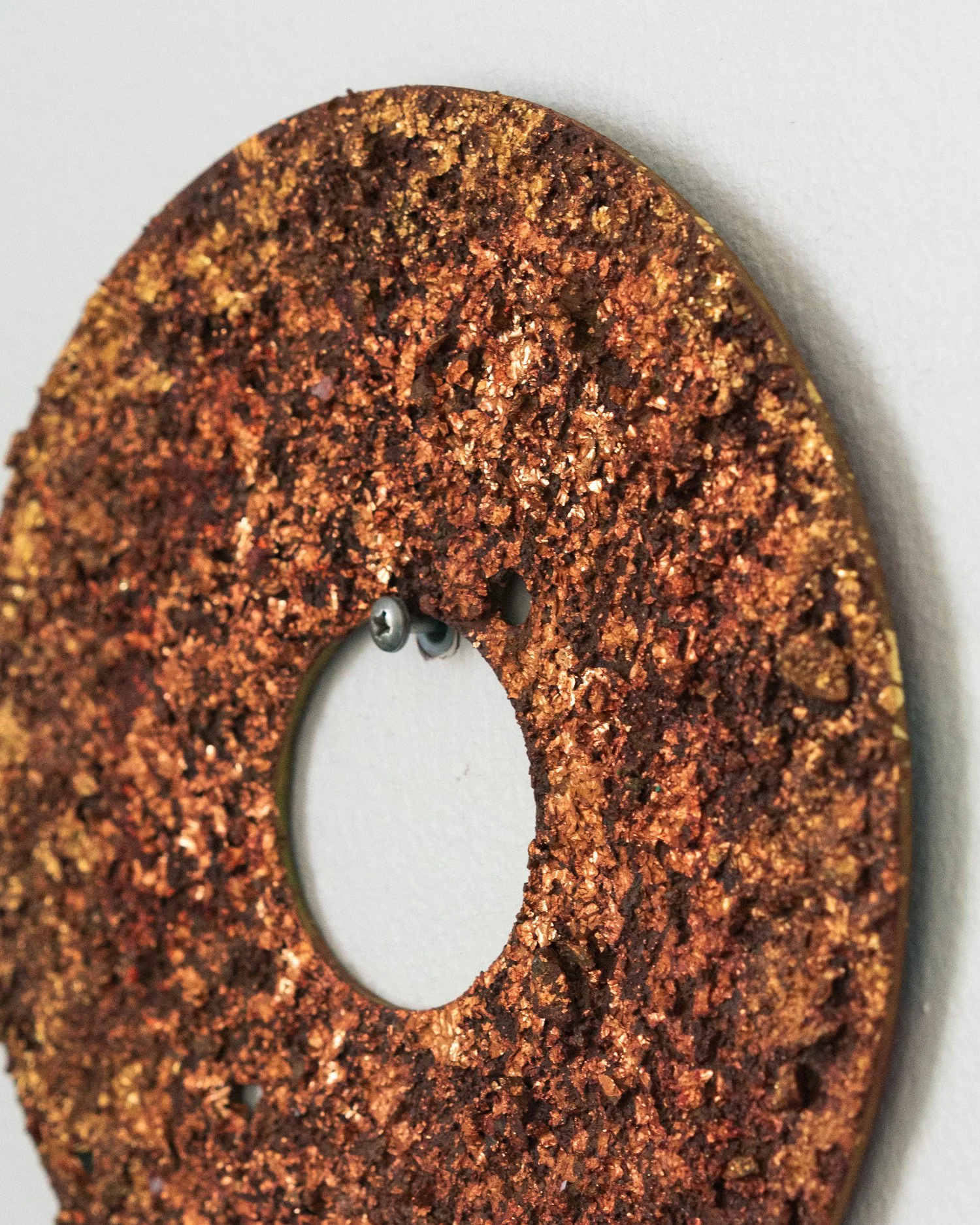
Sustainable Techniques, Material Thinking, and a New Way to Create Contemporary Textured Art
There is a growing shift happening in contemporary art across Europe—especially in Northern and Western regions—where material choice is no longer just a technical decision, but an ethical and emotional one.
Artists are no longer only asking “What does this look like?”
They are also asking “What is this made from, and what does it mean?”
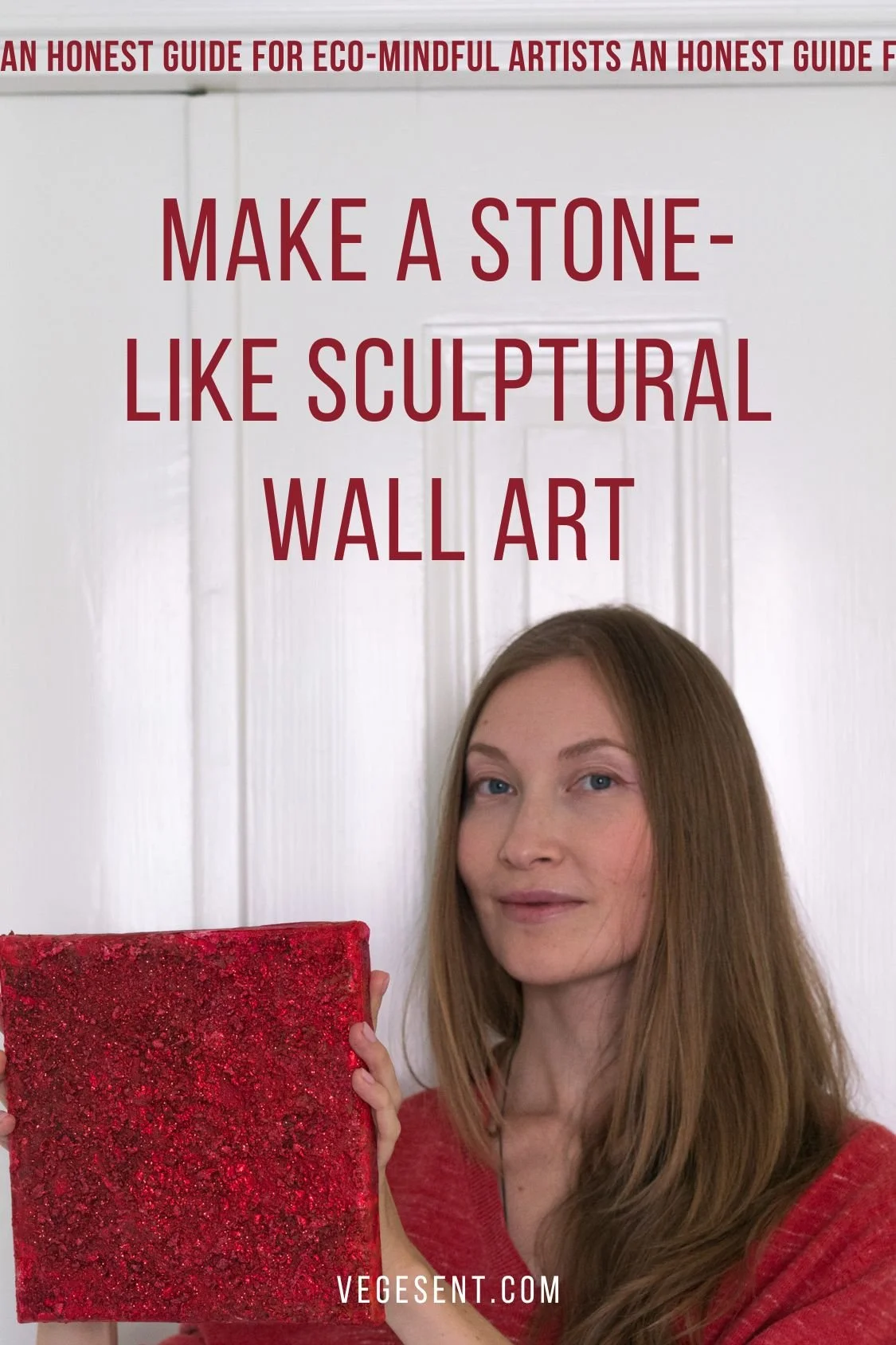
This guide explores how to create stone-like sculptural wall art using reclaimed and recycled materials, while also helping beginner-to-intermediate artists navigate the uncertainty around eco-friendly practice without overwhelm, guilt, or complexity.
It’s not about perfection.
It’s about material curiosity, tactile experimentation, and building confidence through making.
Why stone-like sculptural wall art matters right now
Stone-like textures in wall art have become a quiet trend in contemporary interiors across Europe and other design-driven markets like the UK, Canada, Australia, and the US. Minimalist spaces are shifting away from flat decoration toward tactile presence—objects that feel grounded, physical, and slightly imperfect.
But there is a deeper layer emerging underneath this aesthetic:
Artists and collectors are questioning material origin.
Where does this texture come from?
What was it before it became art?
Can beauty exist without extraction?
This is where reclaimed material practice becomes not just relevant—but necessary.
Stone-like sculptural wall art made from waste materials carries a dual meaning:
it satisfies visual minimalism while embedding environmental narrative inside the object itself.
The mindset behind eco-material artists today
Most emerging artists exploring eco-friendly materials fall into a very specific emotional pattern:
They care deeply—but feel uncertain.
They search things like:
“Is acrylic paint sustainable?”
“What are eco-friendly art materials?”
“How do I make art without harming the environment?”
But instead of clarity, they often find contradiction, greenwashing, or overly technical information that doesn’t help them actually make anything.
What they really want is simpler:
A starting point they can trust
Materials that feel safe and good enough
Guidance that leads to visible improvement in their work
Permission to experiment without waste or guilt
And underneath all of that:
A quiet need for confidence.
Not just in materials—but in themselves as artists.
The truth about “eco-friendly” materials in art
Let’s be honest: there is no perfect material system.
Everything exists on a spectrum.
Even natural pigments, plant-based binders, or recycled components involve some level of processing, transport, or energy use.
So instead of chasing perfection, a more grounded approach is this:
Reduce harm. Reuse what already exists. Reframe waste as material potential.
This shift is what makes sculptural wall art especially powerful—it naturally supports material reuse because texture, layering, and imperfection are part of the language.
You are not trying to hide the material’s origin.
You are revealing it.
What makes sculptural wall art “stone-like”?
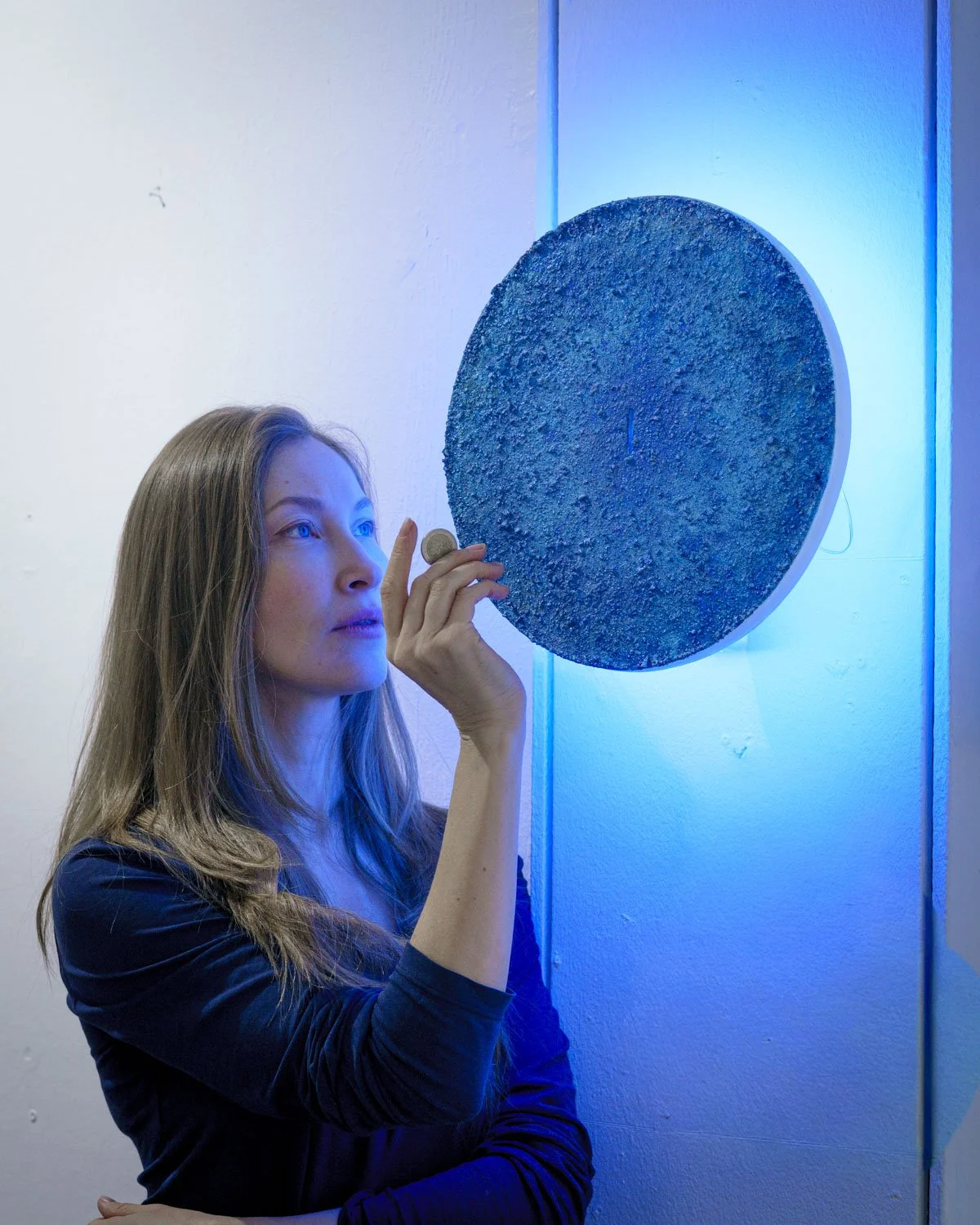
Stone-like texture is not about copying stone.
It is about evoking its qualities:
weight
resistance
grain
erosion
quiet irregularity
You can achieve this effect through layering, compression, abrasion, and mixing materials with different physical behaviors.
Common reclaimed material directions include:
crushed mineral waste or ceramics
paper pulp from discarded packaging
textile fibers from worn fabrics
natural binders mixed with recycled fillers
urban dust, sand, or construction remnants (carefully sourced)
The key is not the material itself—it is how materials interact under pressure, drying, and manipulation.
A simple way to start: thinking like a material explorer
Most artists overthink material choice before they even begin.
A more useful approach is:
Start with behavior, not identity
Instead of asking:
“What should I use?”
Ask:
What cracks?
What holds shape?
What absorbs pigment unevenly?
What becomes harder as it dries?
What feels like stone when layered?
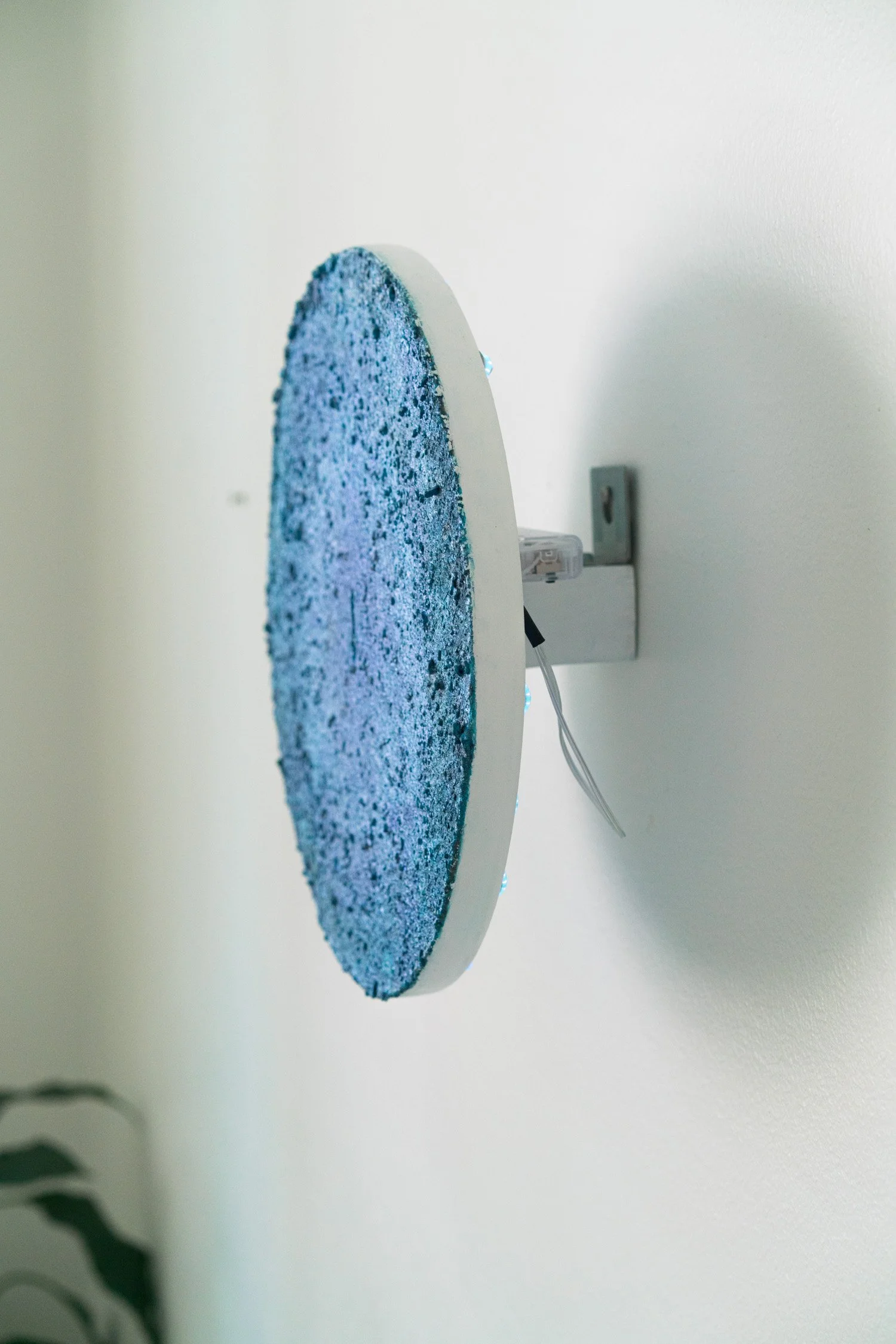
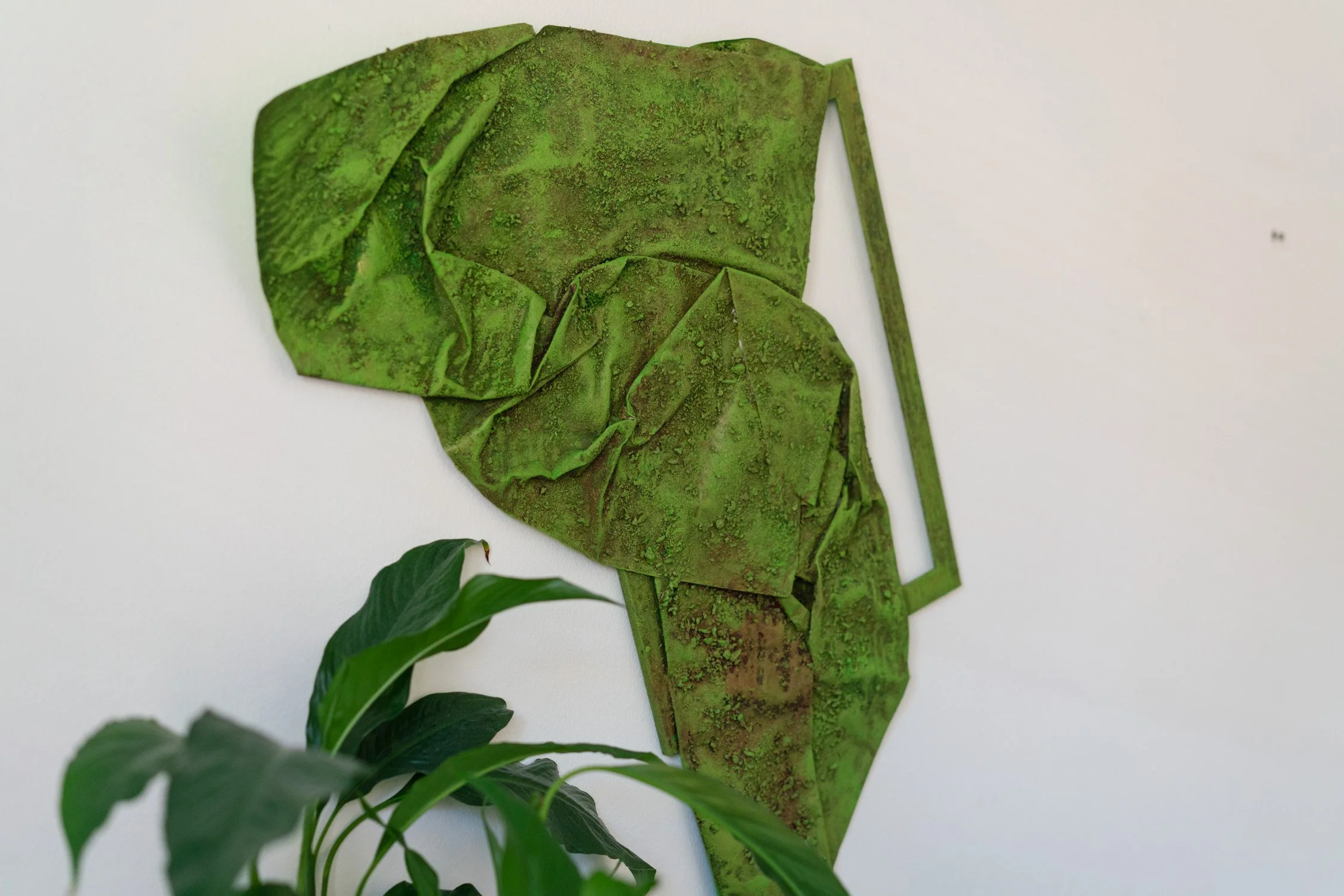
This is where sculptural wall art becomes interesting—it is not painting, and not sculpture alone. It sits in between: a hybrid surface that reacts.
The tactile process: building stone-like surfaces
Here is a simple creative structure used by many experimental material artists:
1. Base layer (structure)
Create a rough foundation using recycled fiber, paper pulp, or textured waste material.
This layer should feel unstable, almost chaotic.
2. Compression layer (form)
Press and shape the material while partially drying.
This is where “stone-like” behavior begins to appear.
3. Resistance layer (contrast)
Add harder fragments—small rigid particles or denser recycled material.
This introduces tension.
4. Surface layer (memory)
Apply thin finishing layers that partially reveal what is underneath.
Do not cover everything. Let history remain visible.
The goal is not smoothness—it is geological storytelling.
The biggest mistake artists make with eco materials
Many beginners believe eco-art means limitation.
Less color. Less quality. Less freedom.
But in practice, it often produces the opposite result when done well.
The real mistake is:
Trying to force recycled materials to behave like conventional art supplies.
Instead, reclaimed materials require a different mindset:
You are not controlling them fully.
You are collaborating with them.
Why Europe is leading this shift
Across Northern and Western Europe, there is a strong cultural alignment with:
sustainability regulation awareness
circular economy thinking
minimalist interior design
research-driven consumer behavior
Artists here are not just experimenting for aesthetics—they are responding to systems change.
At the same time, eco-anxiety is very real.
Many creators feel pressure to “do it right,” which can freeze experimentation completely.
This is why low-risk, guided material exploration becomes so important.
Studio Alchemy: a new way to learn materials
This is where Studio Alchemy enters—not as a course, but as a monthly material experience designed for artists who want to explore without overwhelm.
Instead of asking you to commit to full supplies or research endlessly, it delivers one material at a time, physically and conceptually.
Each month includes:
a real material sample (swatch, pellet, or textured fragment)
a visual behavior card showing how it reacts when drawn or layered
a “Do it now” challenge to test it immediately
a palette suggestion based on its natural tone logic
a reflective “next idea” prompt
an eco-impact overview (light, non-judgmental)
an A6 art print inspired by the material
an A4 information sheet about origin and context
an archiving system for building your personal material library
The purpose is not education overload.
It is momentum.
One material. One experiment. One small shift forward.
Why this method works for hesitant artists
Most beginner-to-intermediate artists don’t lack creativity.
They lack:
clarity
confidence in material decisions
repetition of small wins
permission to experiment without waste
Studio Alchemy reduces friction by removing decision fatigue entirely.
You don’t choose from hundreds of materials.
You receive one.
You test it.
You respond to it.
Then you move on.
This creates something powerful:
A sense of progress that feels physical, not theoretical.
Building sculptural wall art as a long-term practice
If you zoom out, sculptural wall art is not a single technique—it is a system of thinking.
Over time, your practice becomes:
a library of textures
a collection of material behaviors
a record of experiments
a visual language built from waste transformation
This is where artistic identity starts to solidify.
Not from inspiration alone—but from repeated interaction with matter.
A gentle shift in how you see materials
Instead of asking:
“What should I buy?”
You start asking:
“What already exists around me that could become something else?”
This is the foundation of circular art practice.
It also changes how you see your own work:
Not as isolated pieces, but as part of an evolving material conversation.
Stone-like sculptural wall art sits at a rare intersection: It is visual, tactile, conceptual, and environmental at the same time.
But more importantly, it is a practice that teaches you through doing. Not everything needs to be resolved before you begin.
In fact, most meaningful material discoveries happen in the middle of uncertainty—when you press, layer, and experiment without fully knowing the outcome.
That is where the work starts to feel alive.
Not perfect.
Not controlled.
But deeply, physically real.
And in a world full of digital distance, that kind of material presence is becoming something quietly radical.
Shape Change and connect with a community of artists who share your passion for ecological art and sustainable crafts. Share this article:

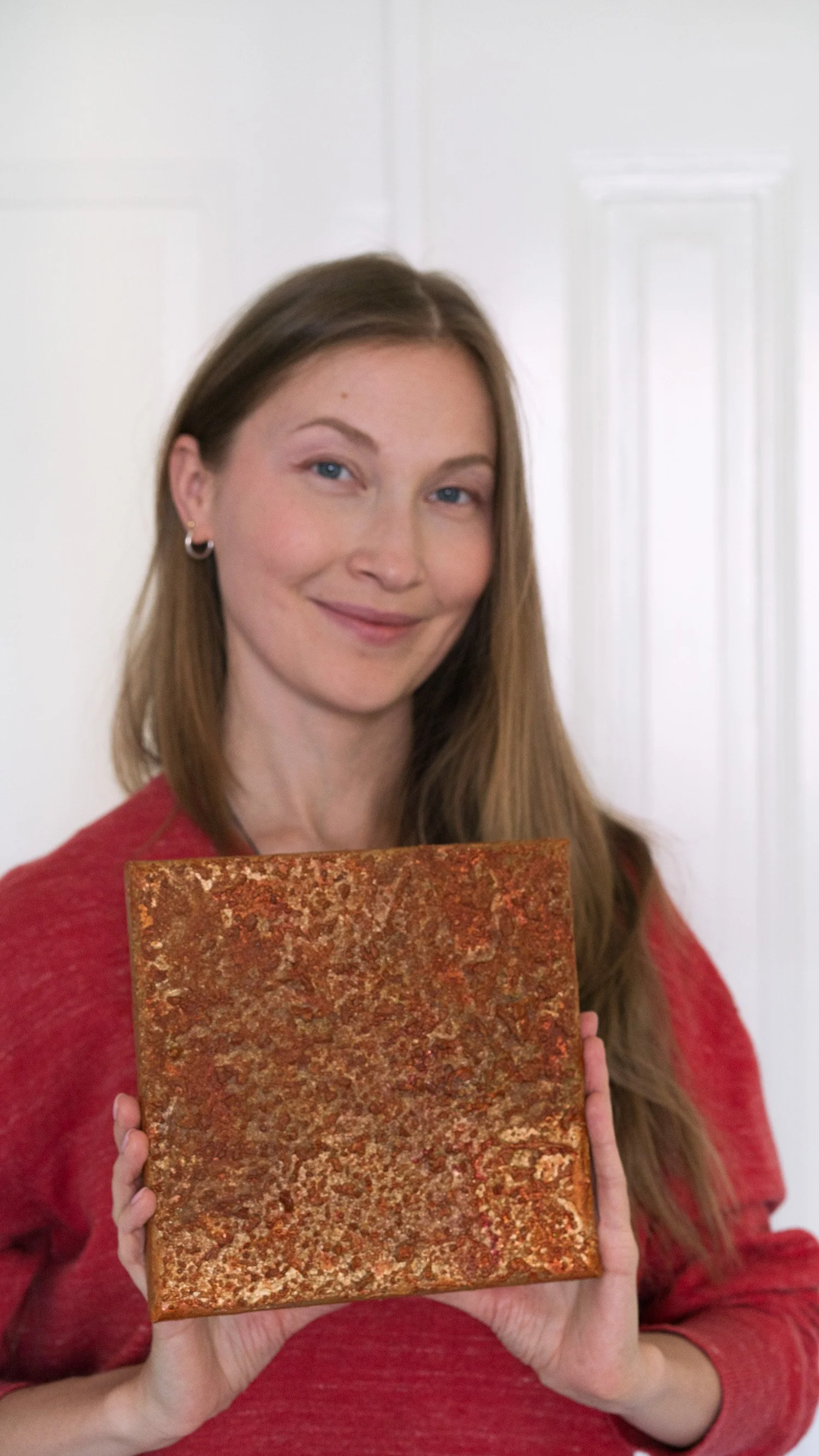
Author: Veronika Kvitko, known as Vegesent, is a multidisciplinary artist whose work explores environmental responsibility and animal visibility through conceptual approach.
She serves as the head of sustainable development and art education in Helsinki International Artists Association.

library for eco-mindful artists
Explore my free, easy-to-follow library created for eco-mindful artists. Find step-by-step guides, sustainable art ideas, and eco-friendly material tips — all in one thoughtfully curated space. Whether you’re starting your ethical art journey or refining your sustainable practice, this resource is here to support you.

Vegan art isn’t just about materials—it’s about shaping culture. Exhibitions, collaborations, and storytelling in this space are educating audiences, inspiring change, and redefining artistic value. For eco-conscious beginners, it’s an invitation to turn creative passion into meaningful impact, gaining visibility, community, and purpose along the way.
Discover how vegan art can transform your practice and influence the cultural scene.