
Art therapy: Mindfulness and other benefits from art practice connected to nature.
Art therapy is a form of expressive therapy that uses the creative process of making art to improve a person's physical, mental, and emotional well-being. Unlike traditional therapy, which relies heavily on verbal communication, art therapy allows individuals to explore their feelings, reconcile emotional conflicts, and foster self-awareness through the act of creating art. This form of therapy can take many shapes, including painting, drawing, sculpting, and other visual art forms, each offering a unique way of expressing and understanding oneself.
Art therapy is grounded in the belief that the creative process involved in artistic self-expression helps people to resolve conflicts and problems, develop interpersonal skills, manage behavior, reduce stress, and increase self-esteem and self-awareness. This therapeutic approach is facilitated by trained art therapists who guide individuals through their creative process, helping them to interpret and find meaning in their creations. By focusing on the process rather than the final product, art therapy prioritizes the emotional and psychological journey over the aesthetic outcome.
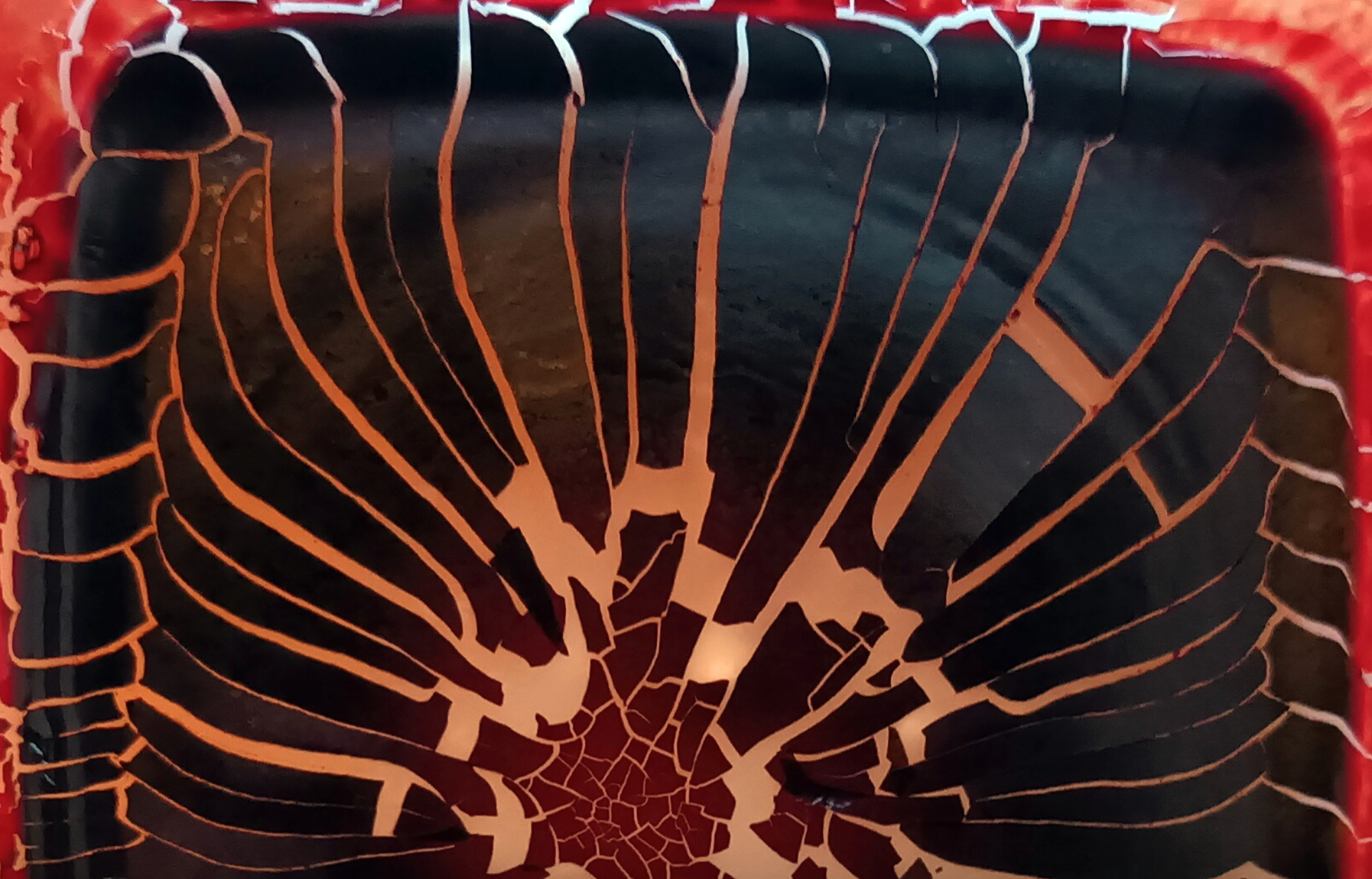
Image: Cartography by Heidi Pietarinen & Amna Qureshi, 2023. (website)The origins of art therapy can be traced back to the mid-20th century when mental health professionals began to recognize the therapeutic potential of artistic expression. Since then, it has evolved into a well-established field with a growing body of research supporting its effectiveness. Today, art therapy is used in a variety of settings, including hospitals, schools, and private practices, to help people of all ages cope with a wide range of challenges, from trauma and grief to anxiety and depression.
The Connection Between Creativity and Mental Health
Creativity and mental health are intrinsically linked, with numerous studies highlighting the positive impact that creative activities can have on psychological well-being. Engaging in creative pursuits allows individuals to express themselves in ways that words often cannot capture, providing an outlet for emotions and thoughts that might otherwise remain hidden. This process can lead to a greater understanding of oneself, improved emotional regulation, and a sense of accomplishment and purpose.
One of the key ways that creativity supports mental health is by promoting mindfulness, the practice of being fully present in the moment. When individuals engage in creative activities, they often enter a state of flow, where they become deeply absorbed in their work and lose track of time. This focused attention can help to quiet the mind, reduce stress, and foster a sense of inner peace. In this way, creativity serves as a powerful tool for cultivating mindfulness and enhancing overall well-being.
Furthermore, creative activities can also boost self-esteem and confidence. The act of creating something unique and personal can give individuals a sense of achievement and pride, which can be particularly beneficial for those struggling with feelings of inadequacy or low self-worth. Additionally, sharing one's creations with others can foster a sense of connection and belonging, which is essential for mental health. By providing a safe and supportive space for self-expression, creativity can play a crucial role in promoting emotional resilience and psychological well-being.
Benefits of Art Therapy for Mindfulness and Well-Being
Art therapy offers numerous benefits for mindfulness and well-being, making it a valuable tool for individuals seeking to enhance their mental health. One of the primary benefits of art therapy is its ability to promote relaxation and reduce stress. The act of creating art can be a meditative experience, allowing individuals to focus on the present moment and detach from their worries and anxieties. This mindfulness practice can lead to a greater sense of calm and tranquility, which is essential for overall well-being.
In addition to promoting relaxation, art therapy can also help individuals to process and express their emotions. Many people find it difficult to articulate their feelings through words alone, and art provides an alternative means of communication. Through the creative process, individuals can explore and make sense of their emotions, gaining insight into their inner experiences. This emotional exploration can lead to greater self-awareness and understanding, which are key components of mental health.
Another significant benefit of art therapy is its ability to foster a sense of empowerment and control. Creating art allows individuals to make choices and decisions, which can be particularly empowering for those who feel powerless or overwhelmed in other areas of their lives. By taking control of the creative process, individuals can build confidence and self-efficacy, which can translate to other aspects of their lives. Additionally, the act of completing an art project can provide a sense of accomplishment and pride, further boosting self-esteem and well-being.
Janne Halme (website)Janne Halme is a researcher and educator specializing in solar energy, with a focus on photoelectrochemical energy conversion, coloured photovoltaics, and ecologically sustainable energy systems. He is interested in bridging physics, engineering, and artistic research to explore how renewable technologies can actively restore nature and foster deeper ecological relationships in the design of future energy systems. In his current and future work, he is particularly interested in nature-inclusive approaches that support biodiversity and ecosystem regeneration. Besides teaching and doing research as a lecturer at the Department of Applied Physics at Aalto University, Finland, he is developing an artistic practice based on nature printing of dye-sensitized solar cells in an evolving body of work called Photovoltarium.Image: Photovoltarium projections 2025 by Janne Halme. Photo by Janne Halme.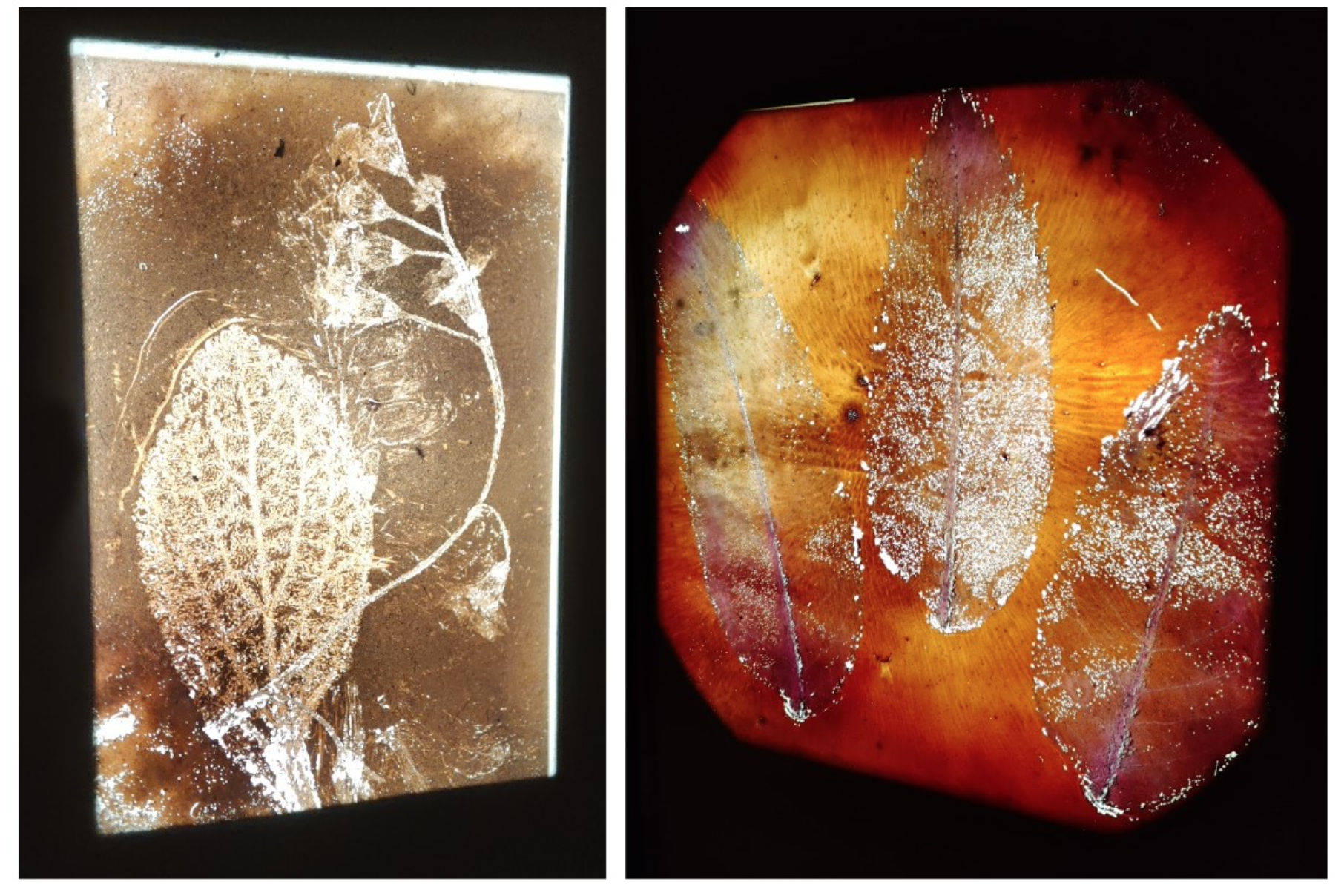
Nature has long been recognized for its restorative and healing properties, and its role in enhancing creative expression is no exception.
Spending time in natural environments can inspire and invigorate the creative process, providing a wealth of sensory experiences and stimuli that can fuel artistic expression. From the vibrant colors of a sunset to the soothing sounds of a babbling brook, nature offers a rich tapestry of sights, sounds, and textures that can spark the imagination and ignite creativity.
One of the ways in which nature enhances creative expression is by providing a sense of tranquility and peace. The natural world offers a respite from the hustle and bustle of daily life, allowing individuals to slow down and reconnect with themselves.
This sense of calm can create the mental space needed for creativity to flourish, as it reduces distractions and encourages a state of mindfulness. When individuals are fully present in the moment, they are more likely to access their creative potential and produce meaningful and authentic art.

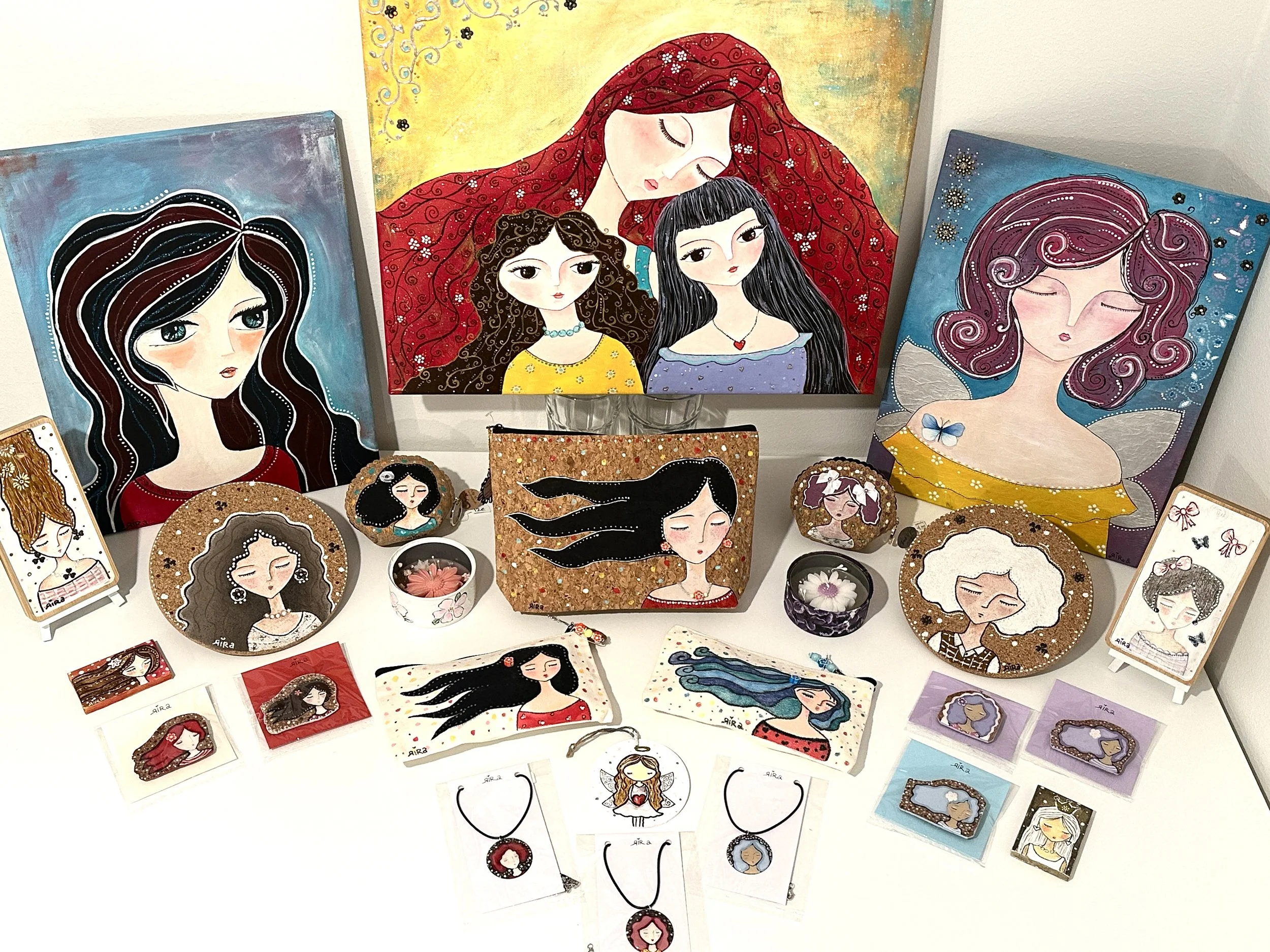
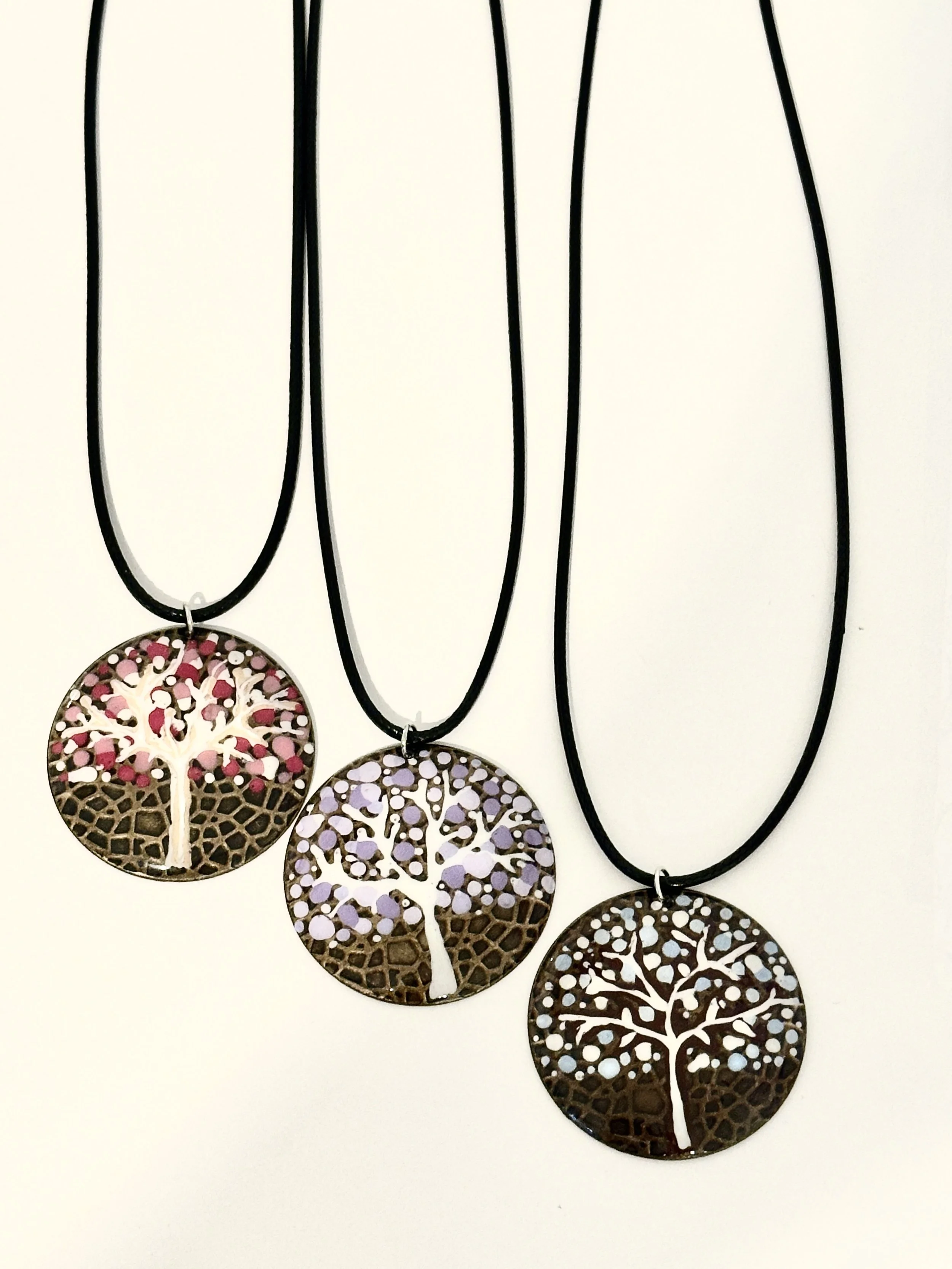
ARTIST SPOTLIGHT: Rira art (INSTAGRAM) FEATURING woman’s painting,jewelry and accessories.“I could make my art practice align even more with environmental, animal, and human welfare, but I’m held back by concerns about cost, maintaining quality, lack of community support, and earning a stable income.
I stay informed about environmental sustainability in art by following blogs, videos, and social media of eco-conscious artists. I also learn about reducing waste, recycling, and using natural materials efficiently.“In addition to fostering tranquility, nature also offers endless inspiration for artistic expression. The beauty and diversity of the natural world can serve as a powerful muse, inspiring individuals to explore new themes, techniques, and ideas in their art.
Whether it is the intricate patterns of leaves, the dynamic movement of waves, or the ever-changing sky, nature provides a constant source of inspiration that can fuel the creative process. By immersing themselves in natural settings, individuals can tap into this wellspring of creativity and produce art that is deeply connected to the world around them.
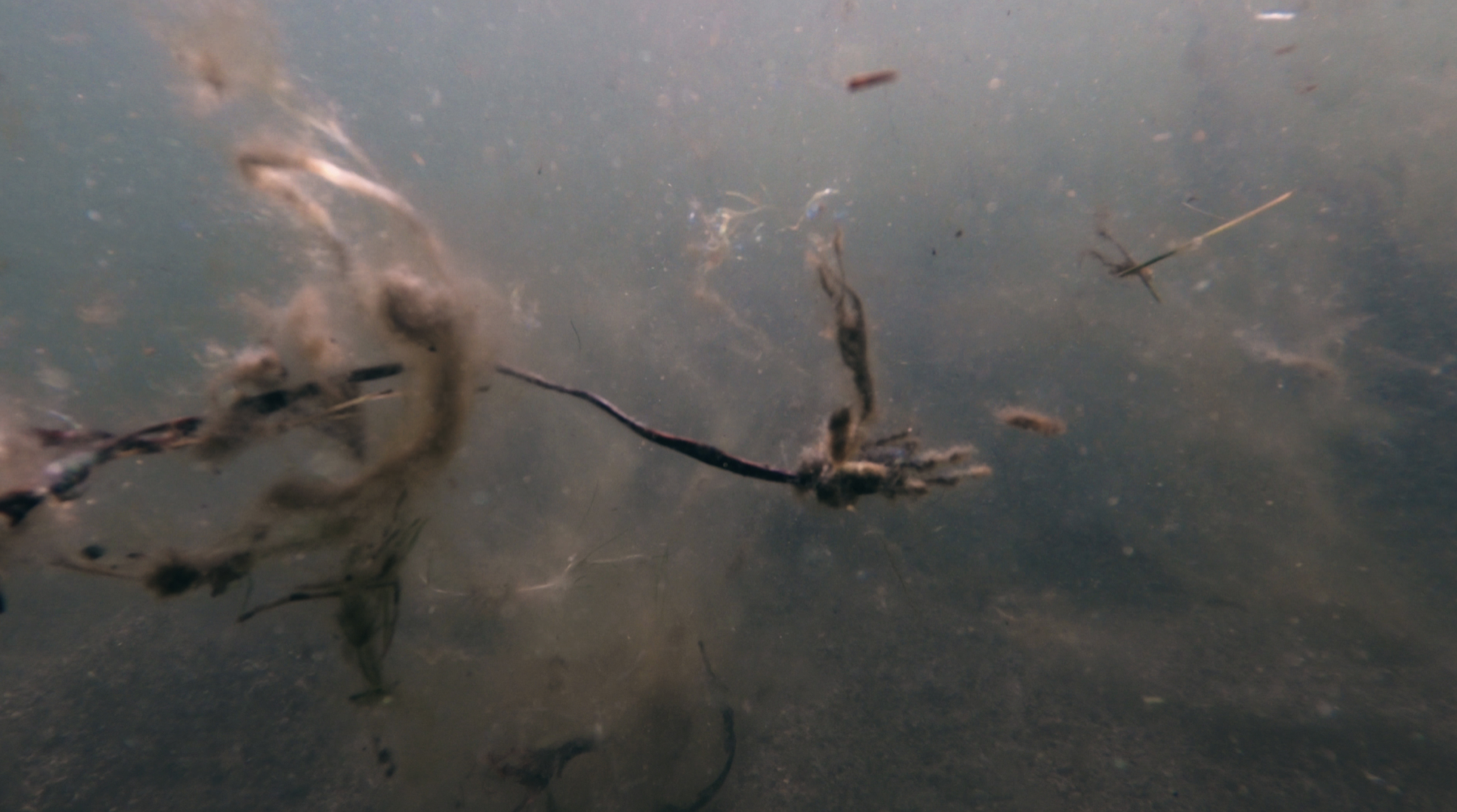
Image: Still from Even a Dead Star Can Be a Lighthouse, 2025. Photo: Maria Ångerman
Combining art therapy with nature activities can create a powerful synergy that enhances the benefits of both.
This integrative approach allows individuals to tap into the therapeutic potential of both artistic expression and the natural world, creating a holistic experience that promotes mindfulness and well-being. By engaging in creative activities in natural settings, individuals can deepen their connection to themselves and the world around them, fostering a sense of harmony and balance.
One way to integrate art therapy with nature activities is through plein air painting, which involves creating art outdoors. This practice allows individuals to immerse themselves in the natural environment, using the sights, sounds, and textures of nature as inspiration for their work.
By painting or drawing directly from nature, individuals can develop a greater appreciation for the beauty and intricacy of the natural world, while also engaging in a mindful and meditative activity.
Another approach is to incorporate natural materials into the creative process. This can include using leaves, flowers, stones, and other natural elements to create art. By working with these materials, individuals can develop a deeper connection to nature and gain a greater understanding of its cycles and rhythms.
This practice can also encourage a sense of playfulness and experimentation, as individuals explore new ways of using natural materials in their art. By integrating art therapy with nature activities, individuals can create a rich and multifaceted experience that supports their mental health and well-being.
Practical Techniques for Art Therapy in Natural Settings
There are many practical techniques for incorporating art therapy into natural settings, each offering unique benefits for mindfulness and well-being. One technique is nature journaling, which involves documenting observations and reflections about the natural environment through writing, drawing, and other forms of artistic expression.
This practice encourages individuals to slow down and engage with their surroundings, fostering a sense of mindfulness and presence. By regularly journaling in nature, individuals can develop a deeper connection to the natural world and gain insight into their own thoughts and feelings.
Another effective technique is land art, which involves creating temporary artworks using natural materials found in the environment. This practice encourages individuals to engage with the landscape in a hands-on and creative way, fostering a sense of connection and appreciation for the natural world.
Land art can also be a collaborative activity, allowing individuals to work together to create larger and more complex pieces. This collaborative aspect can promote social connection and teamwork, further enhancing the therapeutic benefits of the practice.
A third technique is guided nature walks with a focus on sensory exploration. During these walks, individuals are encouraged to use all of their senses to engage with the natural environment, observing colors, textures, sounds, and smells. This sensory immersion can help to ground individuals in the present moment, promoting mindfulness and reducing stress. After the walk, individuals can use their sensory experiences as inspiration for their art, creating pieces that reflect their unique perceptions of the natural world. By combining sensory exploration with artistic expression, this technique offers a holistic approach to mindfulness and well-being…
There are numerous success stories that highlight the transformative power of combining art therapy with nature. One such case involves a group of veterans who participated in a nature-based art therapy program designed to help them cope with post-traumatic stress disorder (PTSD). Through activities such as nature journaling, plein air painting, and land art, the veterans were able to process their traumatic experiences in a supportive and healing environment. Many participants reported significant reductions in anxiety and depression, as well as improved self-esteem and a greater sense of inner peace.
Another success story comes from a community program that integrated art therapy with nature activities for at-risk youth. The program aimed to provide a safe and nurturing space for young people to express themselves and build resilience. Through activities such as guided nature walks, sensory exploration, and creative projects using natural materials, participants were able to develop a deeper connection to themselves and the natural world. The program resulted in improved emotional regulation, increased self-awareness, and stronger social connections among the participants.
A third example involves a hospital-based program that offered nature-based art therapy to patients undergoing treatment for chronic illnesses. The program provided patients with opportunities to engage in creative activities in outdoor settings, such as gardens and parks. Through practices such as nature journaling and plein air painting, patients were able to find solace and meaning in their experiences, leading to reductions in stress and improvements in overall well-being. Many participants reported that the program helped them to develop a more positive outlook and a greater sense of hope.
Resources for Practicing Art Therapy Outdoors
For those interested in practicing art therapy outdoors, there are many resources available to help get started. One valuable resource is the book "Nature-Based Expressive Arts Therapy: Integrating the Expressive Arts and Ecotherapy" by Sally Atkins and Melia Snyder. This comprehensive guide offers practical techniques and activities for integrating art therapy with nature, as well as insights into the theoretical foundations of this approach. It is an excellent resource for both practitioners and individuals looking to explore the benefits of nature-based art therapy.
Another helpful resource is the website of the International Expressive Arts Therapy Association (IEATA), which provides information about training programs, workshops, and conferences related to expressive arts therapy. The IEATA also offers a directory of certified expressive arts therapists, making it easier to find a qualified professional who specializes in nature-based approaches. Additionally, the website features articles and research studies on the benefits of combining art therapy with nature, providing valuable insights and inspiration.
For those looking for community-based resources, local parks and nature centers often offer programs and workshops that combine art and nature. These programs can provide opportunities to learn new techniques, connect with like-minded individuals, and engage in creative activities in natural settings. Many community centers and art organizations also offer classes and workshops on nature journaling, plein air painting, and other nature-based art practices. By taking advantage of these resources, individuals can explore the therapeutic potential of art therapy in the great outdoors.
In conclusion, the combination of art therapy and nature offers a powerful and holistic approach to fostering mindfulness and well-being. By engaging in creative activities in natural settings, individuals can tap into the therapeutic potential of both artistic expression and the natural world. This integrative approach promotes relaxation, reduces stress, and enhances self-awareness, providing a pathway to emotional healing and personal growth.
Whether through the gentle strokes of a brush or the calming sounds of rustling leaves, the synergy between art and nature creates a unique space for introspection and connection. By embracing creativity and immersing oneself in the natural world, individuals can unlock their creative potential and nurture their mental well-being. The benefits of this approach are profound, offering a sense of peace, empowerment, and resilience that can support overall mental health.
As we navigate the complexities of modern life, the quest for mindfulness and well-being has never been more important. By exploring the transformative realms of art therapy and nature, we can find new ways to restore balance and foster creativity. So, take a moment to step outside, pick up a paintbrush, and let the magic unfold. Your mind and spirit will thank you.
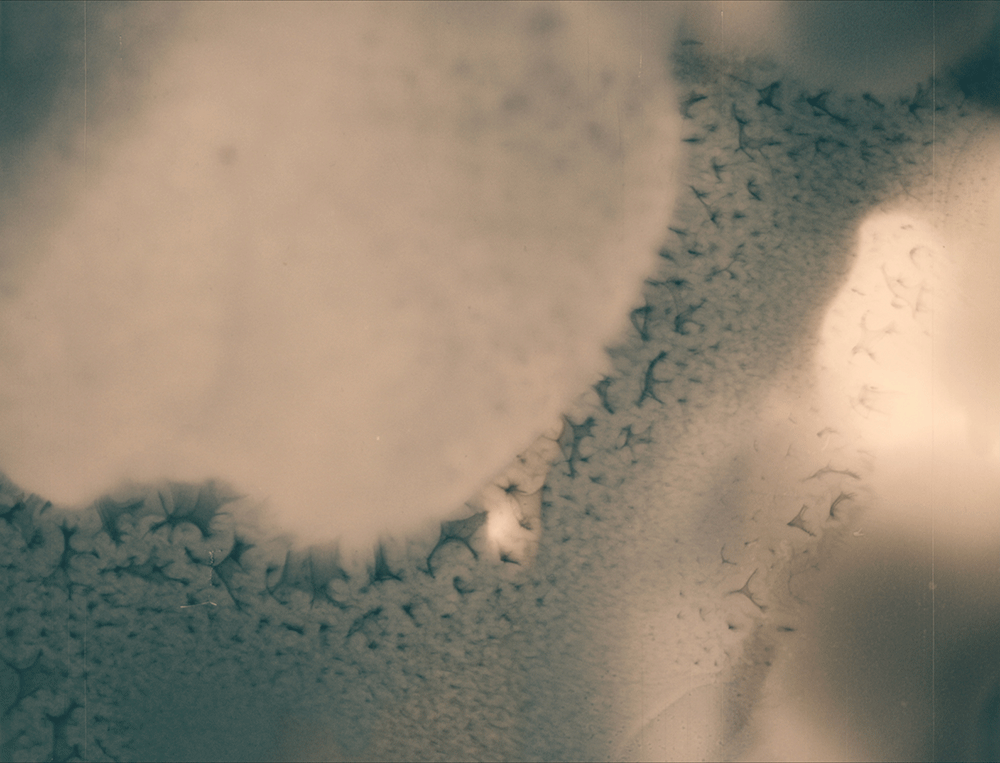
Image: EVEN A DEAD STAR CAN BE A LIGHTHOUSE Short film by Maria Ångerman, 11:30, 2025
Shape Change and connect with a community of artists who share your passion for ecological art and sustainable crafts. Share this article:

Author: Veronika Kvitko, known as Vegesent, is a multidisciplinary artist whose work explores environmental responsibility and animal visibility through conceptual approach.
She serves as the head of sustainable development and art education in Helsinki International Artists Association.

library for eco-mindful artists
Explore my free, easy-to-follow library created for eco-mindful artists. Find step-by-step guides, sustainable art ideas, and eco-friendly material tips — all in one thoughtfully curated space. Whether you’re starting your ethical art journey or refining your sustainable practice, this resource is here to support you.
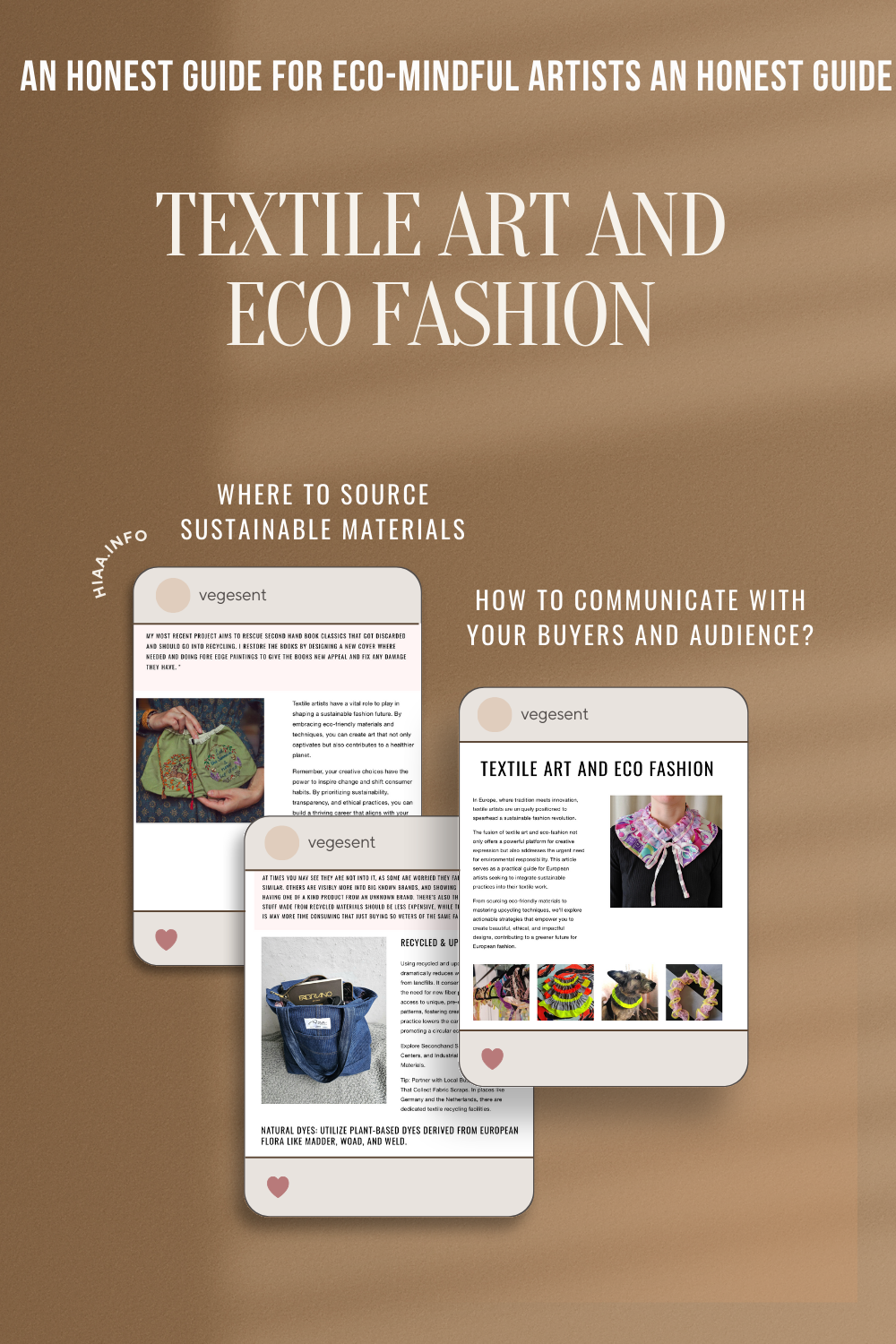

Vegan art isn’t just about materials—it’s about shaping culture. Exhibitions, collaborations, and storytelling in this space are educating audiences, inspiring change, and redefining artistic value. For eco-conscious beginners, it’s an invitation to turn creative passion into meaningful impact, gaining visibility, community, and purpose along the way.
Discover how vegan art can transform your practice and influence the cultural scene.